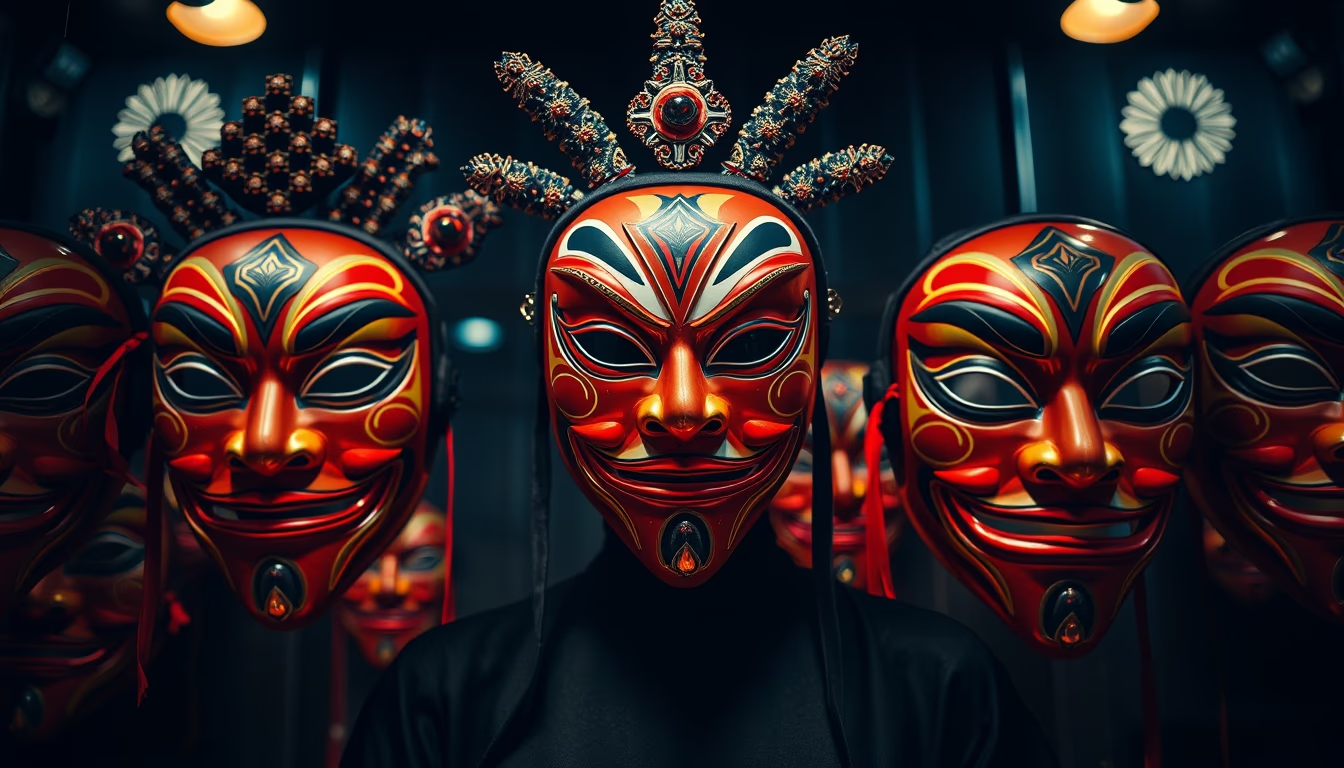
Kabuki masks display
1344×768 · AVIF · CC BY 4.0
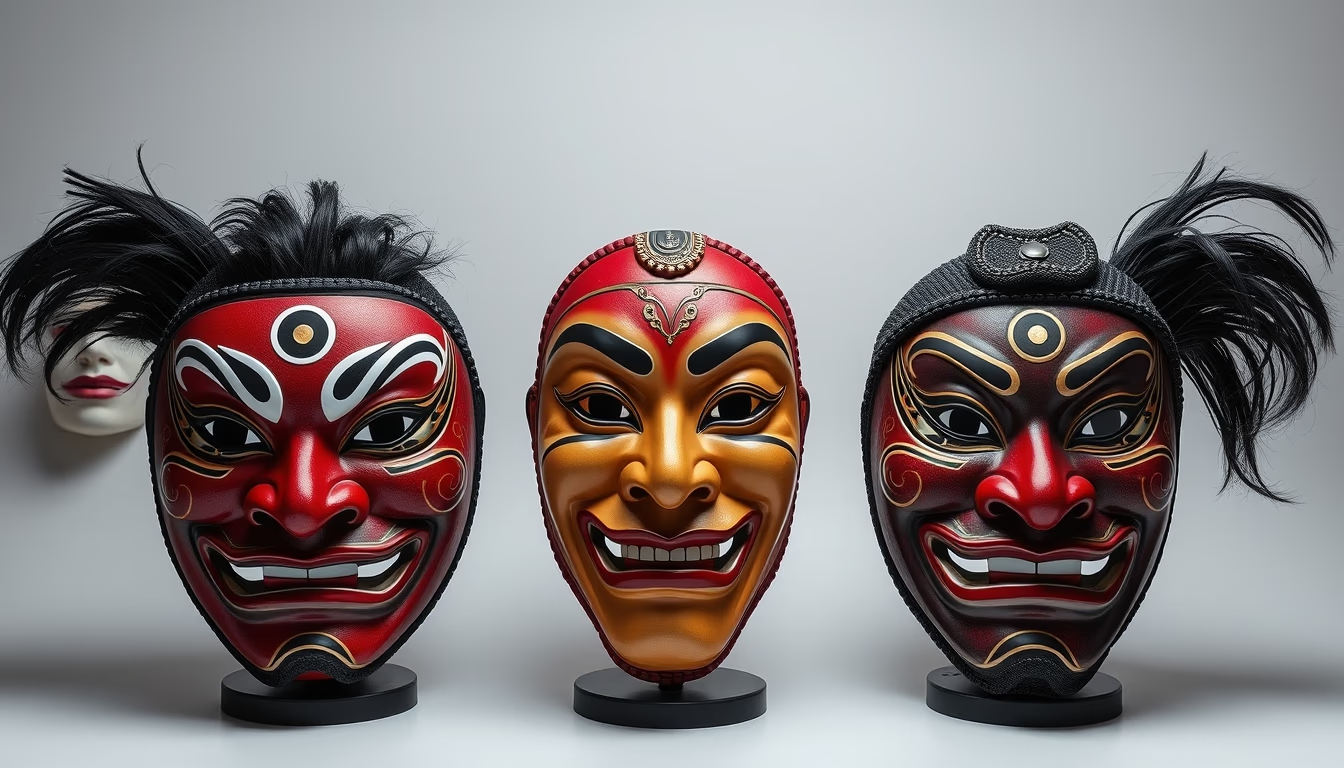
Kabuki masks are central elements of traditional Japanese theater, each representing specific emotions and characters.
About this subject
Kabuki masks are a vital part of kabuki theater, a traditional Japanese dramatic art form that emerged in the early Edo period (17th century). Unlike Noh theater, which uses masks in almost every scene, kabuki employs masks mainly for supernatural beings, animals, or mythological figures. Painted facial expressions (kumadori) replace masks for most roles, but actual masks appear in plays such as "Yoshitsune Senbon Zakura" or "Shibaraku", representing tengu (mountain creatures) or shishi (lions).
Each mask is carved from wood, often Japanese cypress (hinoki), and painted with lacquer and vivid colors. Colors carry symbolic meanings: red for virtue and passion, blue or black for villainy and fear, gold for divinity. The crafting process is artisanal, passed down through generations of master craftsmen. The weight and design allow the actor to move his head naturally, essential for the dramatic choreography of kabuki.
Kabuki was declared a UNESCO Intangible Cultural Heritage in 2005. Original masks from the 17th and 18th centuries are preserved in museums such as the Tokyo National Museum. Today, replicas are used in performances and also as decorative and collectible items, appreciated for their beauty and historical value. The manufacturing technique remains alive, with young artisans learning in specialized schools in Tokyo and Kyoto.
Interestingly, kabuki began as female performances but was banned for women in 1629, thereafter performed exclusively by men, who use masks and facial paint to portray female roles (onnagata). This tradition continues to this day, and male masks are used for roles of warriors, demons, and gods.
Frequently Asked Questions
What is the difference between kabuki masks and Noh masks?
Noh masks cover the entire face and are used for all characters, while kabuki masks are smaller and used only for specific roles like supernatural beings. Kabuki also relies heavily on painted facial expressions (kumadori) instead of masks.
What material are kabuki masks made of?
Traditionally, they are carved from Japanese cypress wood (hinoki), painted with lacquer and natural pigments. Each mask is handmade by specialized artisans, a process that can take weeks.
Do kabuki performances still use centuries-old original masks?
Rarely. Original masks from the 17th and 18th centuries are kept in museums. Modern performances use contemporary replicas, often crafted by the same artisans following traditional techniques.
Direct URL
https://pub-c7d6a6ea828543ac903a74a341ccb2e1.r2.dev/imagens/kabuki-masks-display-studio-editorial-portrait-fresh10.avifHow to credit
Include a visible link back to UtilizAí. Copy one of the snippets below:
<a href="https://xn--utiliza-eza.com/en/midia/imagens/kabuki-masks-display-studio-editorial-portrait-fresh10">Kabuki masks display</a> by <a href="https://xn--utiliza-eza.com">UtilizAí</a>, licensed under <a href="https://creativecommons.org/licenses/by/4.0/">CC BY 4.0</a>.
[Kabuki masks display](https://xn--utiliza-eza.com/en/midia/imagens/kabuki-masks-display-studio-editorial-portrait-fresh10) by [UtilizAí](https://xn--utiliza-eza.com), CC BY 4.0
License: CC-BY-4.0