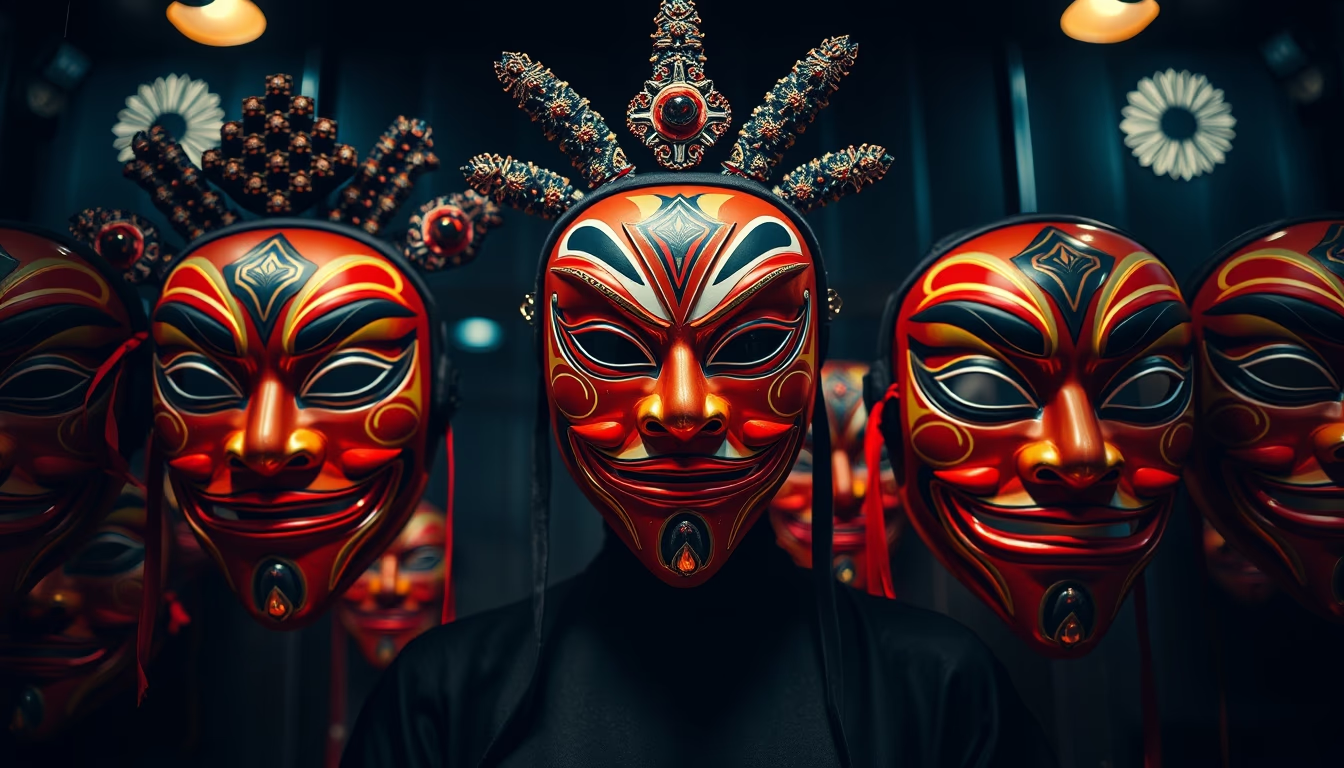
Kabuki masks display
1344×768 · AVIF · CC BY 4.0
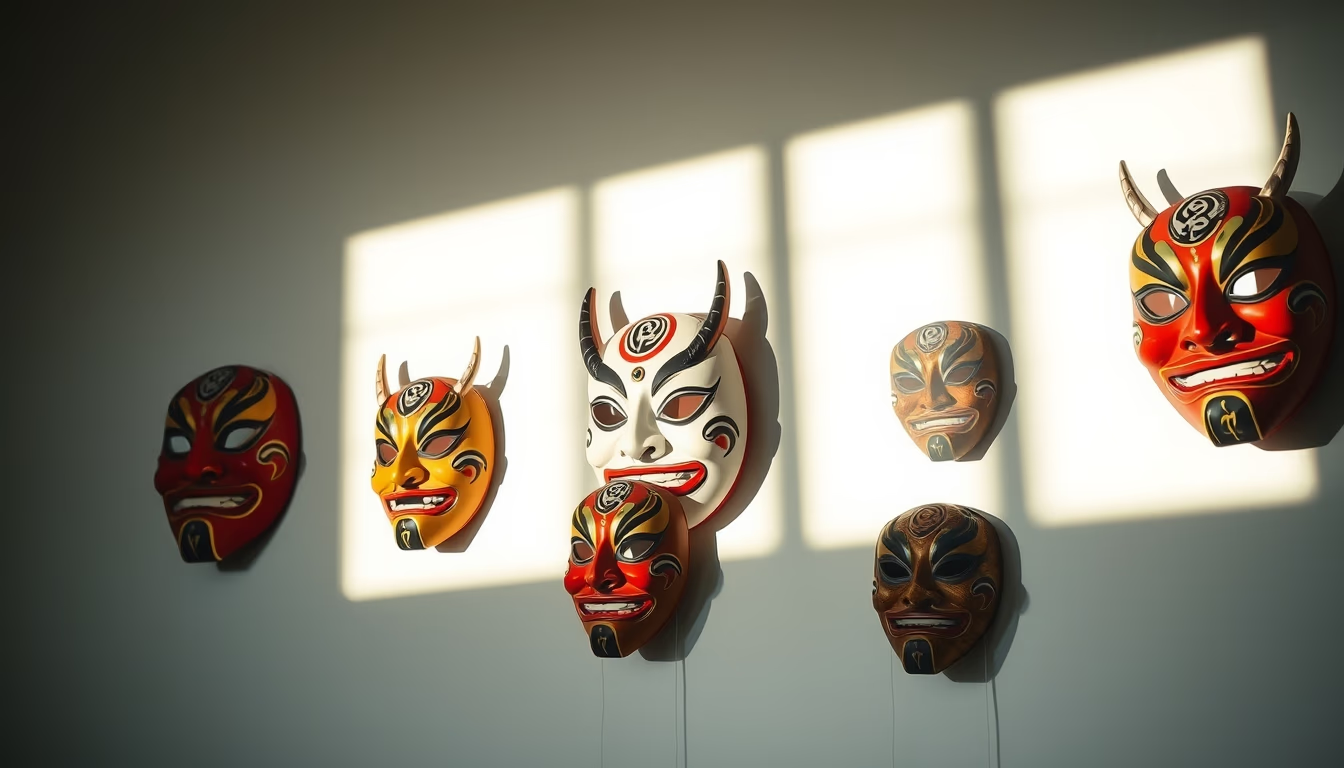
Kabuki masks, used in Japanese theater, symbolize iconic characters such as warriors and spirits, with exaggerated expressions.
About this subject
Kabuki masks are essential elements of traditional Japanese Kabuki theater, which emerged in the early Edo period (17th century). Unlike Noh theater masks that cover the entire face, Kabuki masks typically cover only part of the face, allowing actors to express emotions through their own features. They are used to represent supernatural characters, such as demons and animals, as well as historical or legendary figures.
Kabuki is known for its vibrant colors and exaggerated makeup (kumadori), but masks are reserved for specific roles requiring a more radical transformation. For example, the tengu mask (a long-nosed mythical creature) is used for proud or evil characters. Animal masks, such as foxes or cats, appear in folkloric plays. Each mask is hand-carved from cypress or paulownia wood, then painted with lacquer and gold details.
Historically, Kabuki was founded by Izumo no Okuni in the early 17th century. Over the centuries, it underwent several transformations, including the banning of actresses and the adoption of male actors (onnagata). Masks help maintain tradition, but their use is less common than facial makeup. Today, museums in Japan, such as the Tokyo National Museum, display collections of antique masks. Contemporary performances still use them to connect audiences with the rich history of Japanese theater.
Frequently Asked Questions
What are the main types of Kabuki masks?
Main types include tengu masks (mythical creature), animal masks such as foxes and cats, and spirit or demon masks. Each has specific expressions and colors indicating the character's personality.
How are Kabuki masks made?
They are hand-carved from cypress or paulownia wood, then painted with lacquer and gold details. The artisan process can take weeks and is passed down through generations.
What is the difference between Kabuki and Noh masks?
Noh masks cover the entire face and are used in more formal, slow-paced theater, while Kabuki masks are partial and allow facial movements, combined with exaggerated makeup for a more dramatic style.
Direct URL
https://pub-c7d6a6ea828543ac903a74a341ccb2e1.r2.dev/imagens/kabuki-masks-display-minimalist-composition-fresh13.avifHow to credit
Include a visible link back to UtilizAí. Copy one of the snippets below:
<a href="https://xn--utiliza-eza.com/en/midia/imagens/kabuki-masks-display-minimalist-composition-fresh13">Kabuki masks display</a> by <a href="https://xn--utiliza-eza.com">UtilizAí</a>, licensed under <a href="https://creativecommons.org/licenses/by/4.0/">CC BY 4.0</a>.
[Kabuki masks display](https://xn--utiliza-eza.com/en/midia/imagens/kabuki-masks-display-minimalist-composition-fresh13) by [UtilizAí](https://xn--utiliza-eza.com), CC BY 4.0
License: CC-BY-4.0