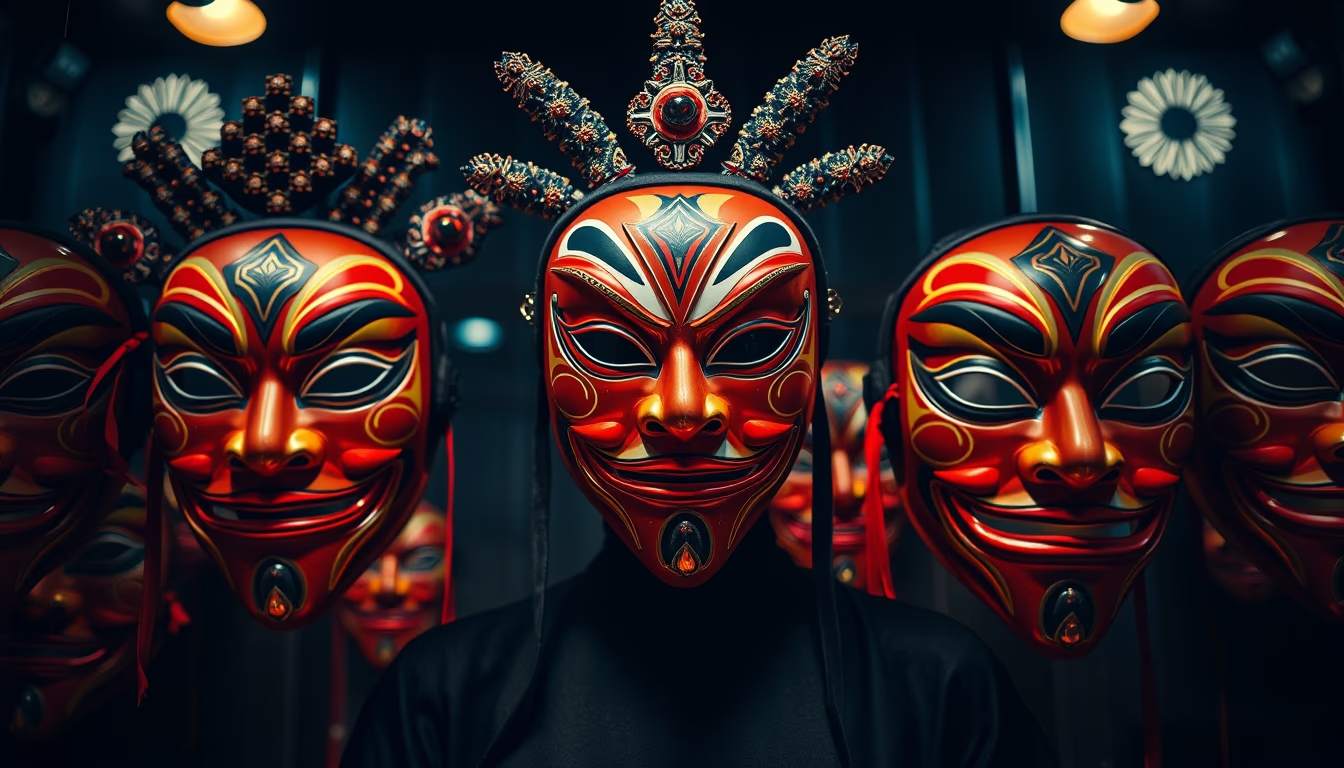
Kabuki masks display
1344×768 · AVIF · CC BY 4.0
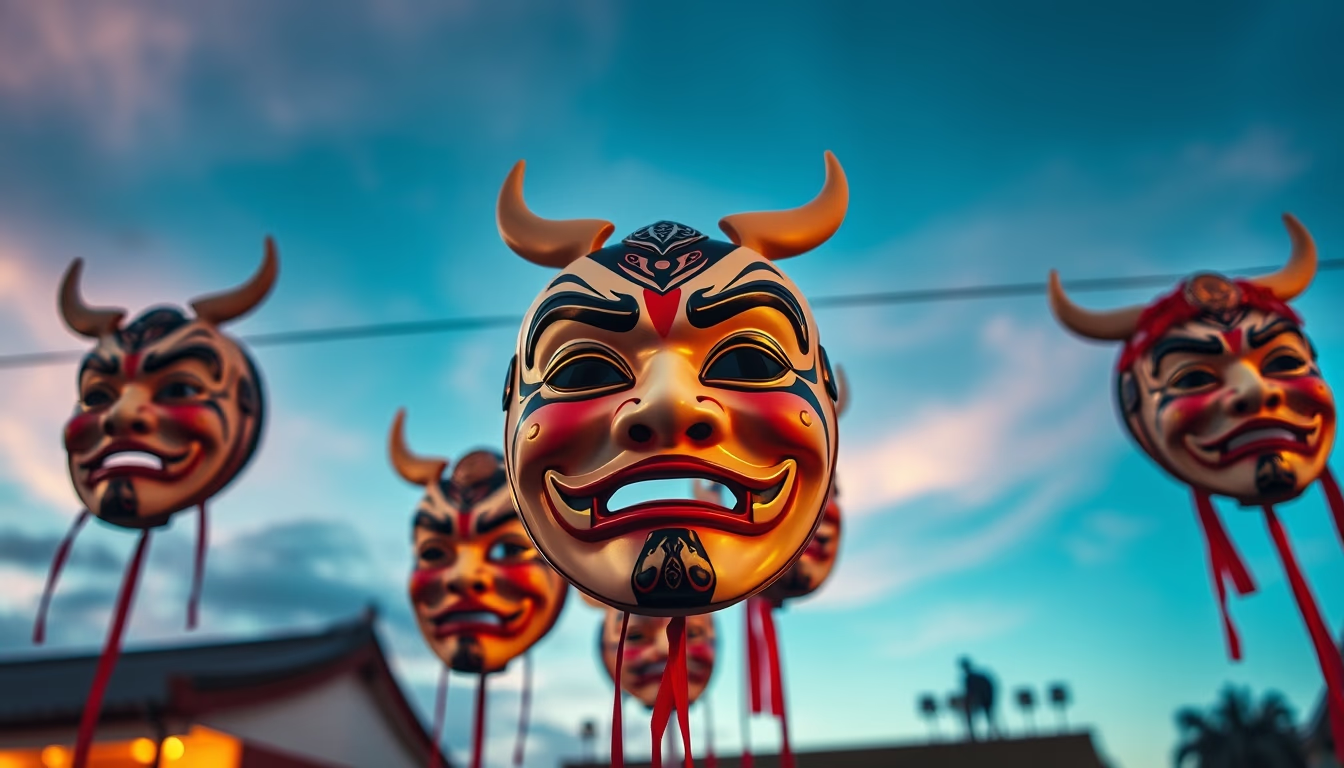
Máscaras de kabuki são peças centrais do teatro tradicional japonês, cada uma com expressões e cores que simbolizam emoções e papéis específicos.
Sobre o tema
As máscaras de kabuki são um elemento essencial do kabuki, uma forma de teatro japonês que surgiu no período Edo (1603, 1868). Diferentemente do teatro Noh, que usa máscaras fixas, o kabuki frequentemente utiliza maquiagem pesada chamada kumadori para exagerar expressões, mas máscaras também são empregadas em certas peças para representar personagens sobrenaturais ou animais. Cada cor e desenho tem um significado: o vermelho simboliza paixão e heroísmo, enquanto o azul-escuro representa medo ou maldade. As máscaras são esculpidas em madeira de cipreste japonesa (hinoki) e pintadas à mão com pigmentos naturais. O kabuki foi declarado Patrimônio Cultural Imaterial da UNESCO em 2005, e as máscaras são artefatos valiosos que refletem a estética e a narrativa do período Edo. A exposição de máscaras de kabuki é comum em museus de arte japonesa, como o Museu Nacional de Tóquio, e em festivais tradicionais. A técnica de longa exposição em fotografia pode capturar o detalhe das texturas e cores das máscaras, realçando sua beleza artesanal.
Perguntas frequentes
Qual a diferença entre as máscaras de kabuki e as de Noh?
As máscaras de Noh são usadas por atores principais e permanecem imóveis, enquanto no kabuki o foco é na maquiagem exagerada (kumadori), embora máscaras sejam usadas para personagens não humanos. As de Noh são mais sutis, as de kabuki são mais dramáticas e coloridas.
Como são feitas as máscaras de kabuki?
São esculpidas em madeira de cipreste japonês (hinoki), lixadas e pintadas à mão com pigmentos naturais. Cada máscara pode levar semanas para ser finalizada e é feita por artesãos especializados.
As máscaras de kabuki podem ser usadas fora do teatro?
Sim, são frequentemente expostas em museus, colecionadas como arte e usadas em festivais. Também são símbolos culturais do Japão, aparecendo em decoração e souvenirs.
URL direta
https://pub-c7d6a6ea828543ac903a74a341ccb2e1.r2.dev/imagens/kabuki-masks-display-long-exposure-fresh3.avifComo creditar
Inclua um link visível de volta pro UtilizAí. Copie um dos snippets abaixo:
<a href="https://xn--utiliza-eza.com/midia/imagens/kabuki-masks-display-long-exposure-fresh3">Kabuki masks display</a> by <a href="https://xn--utiliza-eza.com">UtilizAí</a>, licensed under <a href="https://creativecommons.org/licenses/by/4.0/">CC BY 4.0</a>.
[Kabuki masks display](https://xn--utiliza-eza.com/midia/imagens/kabuki-masks-display-long-exposure-fresh3) by [UtilizAí](https://xn--utiliza-eza.com), CC BY 4.0
Licença: CC-BY-4.0