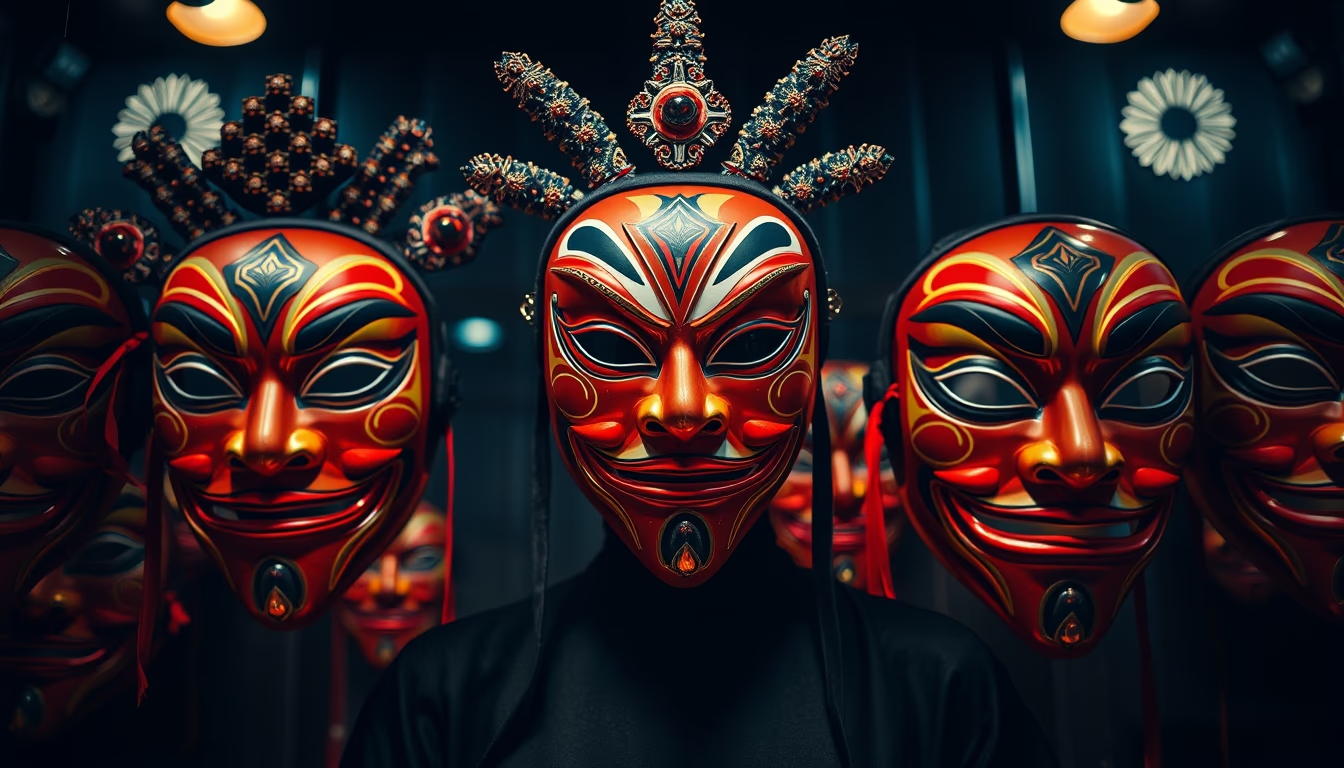
Kabuki masks display
1344×768 · AVIF · CC BY 4.0
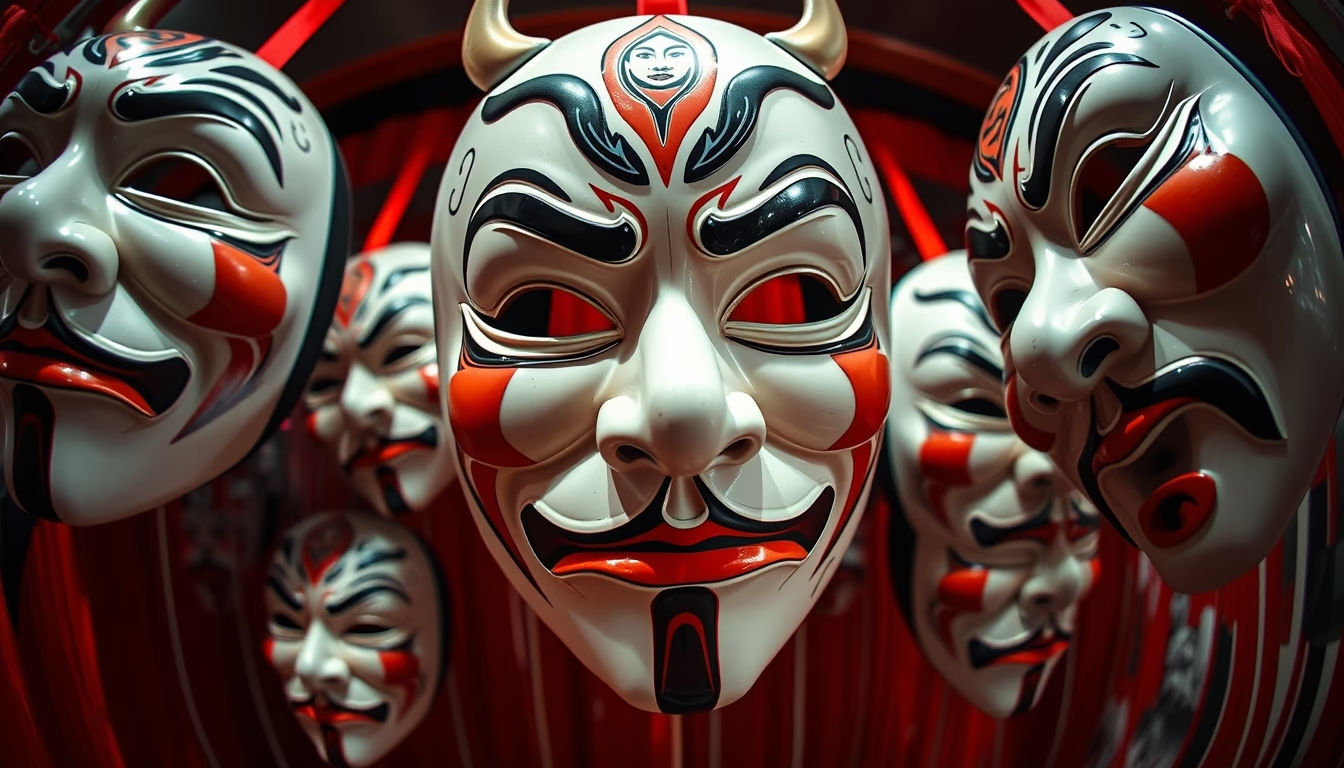
Kabuki masks, used in traditional Japanese theater, express emotions and personalities of characters through symbolic colors and patterns.
About this subject
Kabuki is a form of traditional Japanese theater that originated in the early Edo period (17th century). Unlike Noh theater, which uses fixed masks, kabuki traditionally does not use masks covering the entire face. Instead, actors apply a stylized makeup called kumadori, which functions as a painted mask, with colors and patterns indicating personality traits. For example, red represents virtue, passion, or heroism, while blue or black symbolizes villainy, jealousy, or fear. Additionally, some kabuki plays incorporate actual masks, especially in dances or supernatural characters.
Kabuki masks, when carved, are typically made of lightweight wood (such as Japanese cypress) and painted with lacquer. They can represent famous characters like the hero Benkei, the cruel princess, or demons (oni). Each mask has a specific name and role, used primarily in performances that blend dance and drama. Kabuki was inscribed by UNESCO as an Intangible Cultural Heritage of Humanity in 2005.
A curious fact is that, unlike Noh masks, which are revered and treated with spiritual respect, kabuki masks are seen as theatrical props. Nonetheless, they require skilled craftsmanship. They are often displayed in exhibitions of Japanese art, highlighting the richness of Japan's performing culture.
Frequently Asked Questions
What is the difference between kabuki masks and Noh masks?
In Noh theater, actors wear carved masks that cover the entire face and carry spiritual significance. In kabuki, kumadori makeup replaces masks in most cases, but some plays use physical masks for specific characters.
What do the colors on kabuki masks mean?
Red indicates heroism, virtue, or passion; blue or black represents villainy, fear, or jealousy; brown may symbolize kindness or humanity; and pink is used for feminine or innocent characters.
What material are kabuki masks made of?
Typically carved from Japanese cypress or other lightweight wood, then painted with lacquer. They may also include gold details or fabric.
Direct URL
https://pub-c7d6a6ea828543ac903a74a341ccb2e1.r2.dev/imagens/kabuki-masks-display-fish-eye-wide-angle-fresh5.avifHow to credit
Include a visible link back to UtilizAí. Copy one of the snippets below:
<a href="https://xn--utiliza-eza.com/en/midia/imagens/kabuki-masks-display-fish-eye-wide-angle-fresh5">Kabuki masks display</a> by <a href="https://xn--utiliza-eza.com">UtilizAí</a>, licensed under <a href="https://creativecommons.org/licenses/by/4.0/">CC BY 4.0</a>.
[Kabuki masks display](https://xn--utiliza-eza.com/en/midia/imagens/kabuki-masks-display-fish-eye-wide-angle-fresh5) by [UtilizAí](https://xn--utiliza-eza.com), CC BY 4.0
License: CC-BY-4.0