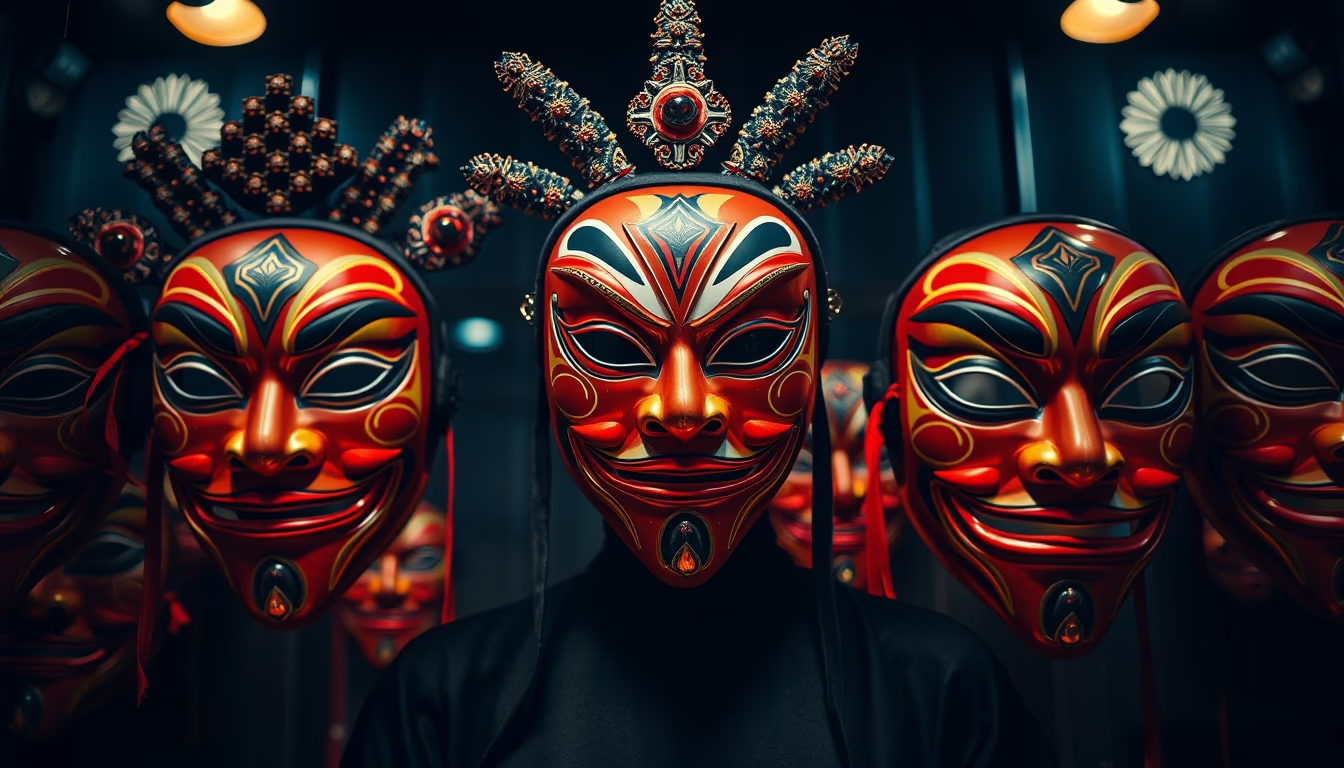
Kabuki masks display
1344×768 · AVIF · CC BY 4.0
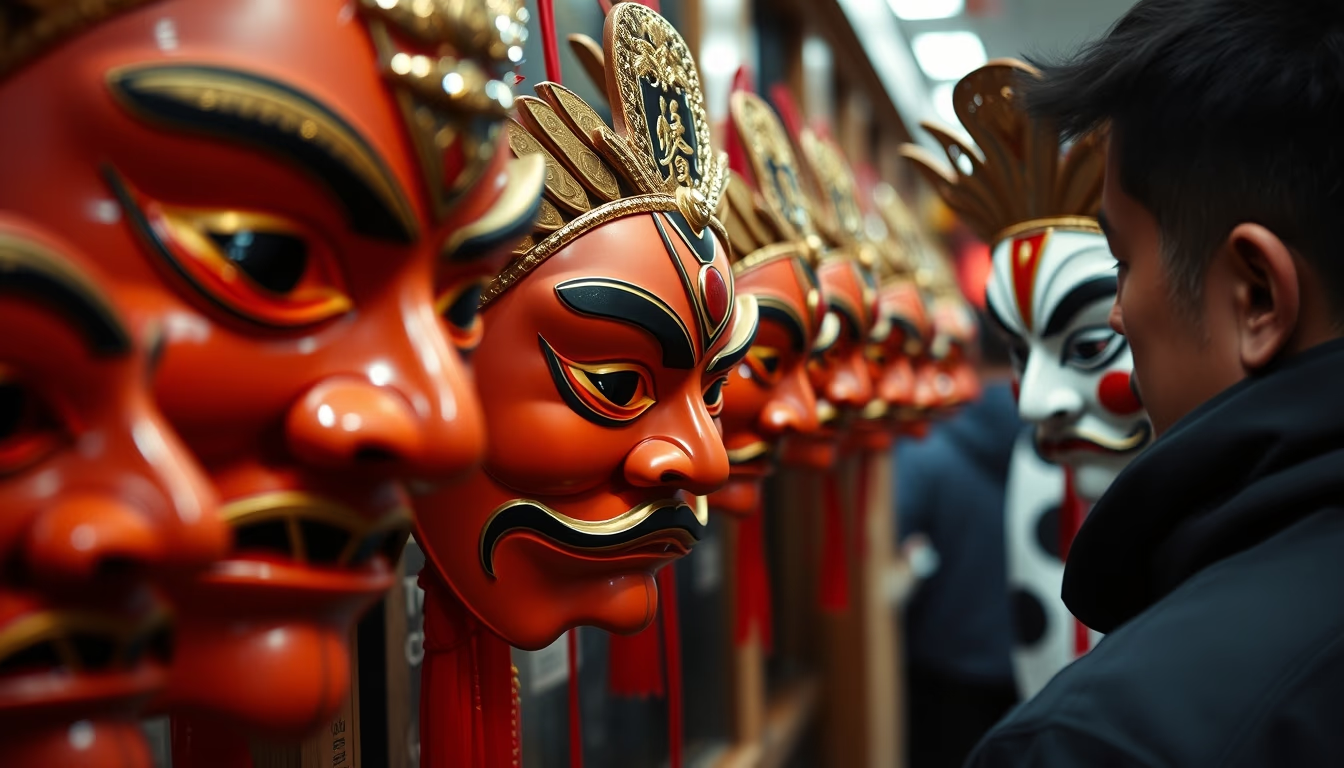
Kabuki masks depict iconic characters from Japanese theater, blending art and tradition.
About this subject
Kabuki theater, one of Japan's most celebrated performing arts, originated in the Edo period (1603-1868). Unlike Noh, which uses carved masks, Kabuki traditionally employs makeup known as kumadori to express emotions and character traits. However, Kabuki masks are often created as decorative objects, capturing the exaggerated expressions and colorful patterns of the makeup. These masks are carved from wood or molded in resin, hand-painted with meticulous detail, and depict archetypes such as heroes, villains, ghosts, and courtesans.
The aesthetics of the masks reflect the essence of Kabuki: intense drama, stylized gestures, and a blend of reality and fantasy. Each color and design in kumadori carries symbolic meaning, such as red for virtue and passion, blue for villainy, and brown for non-human characters. The masks thus serve as cultural talismans, celebrating the rich history of Japanese theater. They are popular in souvenir shops, exhibitions, and private collections, especially in historic districts like Asakusa in Tokyo.
Beyond artistic value, Kabuki masks play an educational role: they help quickly identify character types. In performances, actors do not wear masks, but the makeup is so striking that it became a visual icon. Globalization of Kabuki has brought these masks to museums and homes worldwide, as part of the fascination with Japanese culture. They also inspire contemporary artists, who reinterpret them in graffiti, fashion, and design.
Frequently Asked Questions
What are Kabuki masks?
They are decorative or collectible objects that replicate the expressions and makeup patterns of Kabuki theater characters. Unlike Noh masks, which are worn on stage, Kabuki masks are typically not used in performances.
What is the difference between Kabuki masks and Noh masks?
Noh masks are worn by actors and have neutral expressions that change with lighting. Kabuki masks are inspired by kumadori makeup, with vibrant colors and exaggerated expressions, and are primarily for display.
How are Kabuki masks made?
Traditionally carved from wood and hand-painted, today they are also made from resin. Each mask is meticulously painted to mimic makeup patterns, using symbolic colors like red, blue, and brown.
Direct URL
https://pub-c7d6a6ea828543ac903a74a341ccb2e1.r2.dev/imagens/kabuki-masks-display-film-grain-authentic-fresh0.avifHow to credit
Include a visible link back to UtilizAí. Copy one of the snippets below:
<a href="https://xn--utiliza-eza.com/en/midia/imagens/kabuki-masks-display-film-grain-authentic-fresh0">Kabuki masks display</a> by <a href="https://xn--utiliza-eza.com">UtilizAí</a>, licensed under <a href="https://creativecommons.org/licenses/by/4.0/">CC BY 4.0</a>.
[Kabuki masks display](https://xn--utiliza-eza.com/en/midia/imagens/kabuki-masks-display-film-grain-authentic-fresh0) by [UtilizAí](https://xn--utiliza-eza.com), CC BY 4.0
License: CC-BY-4.0