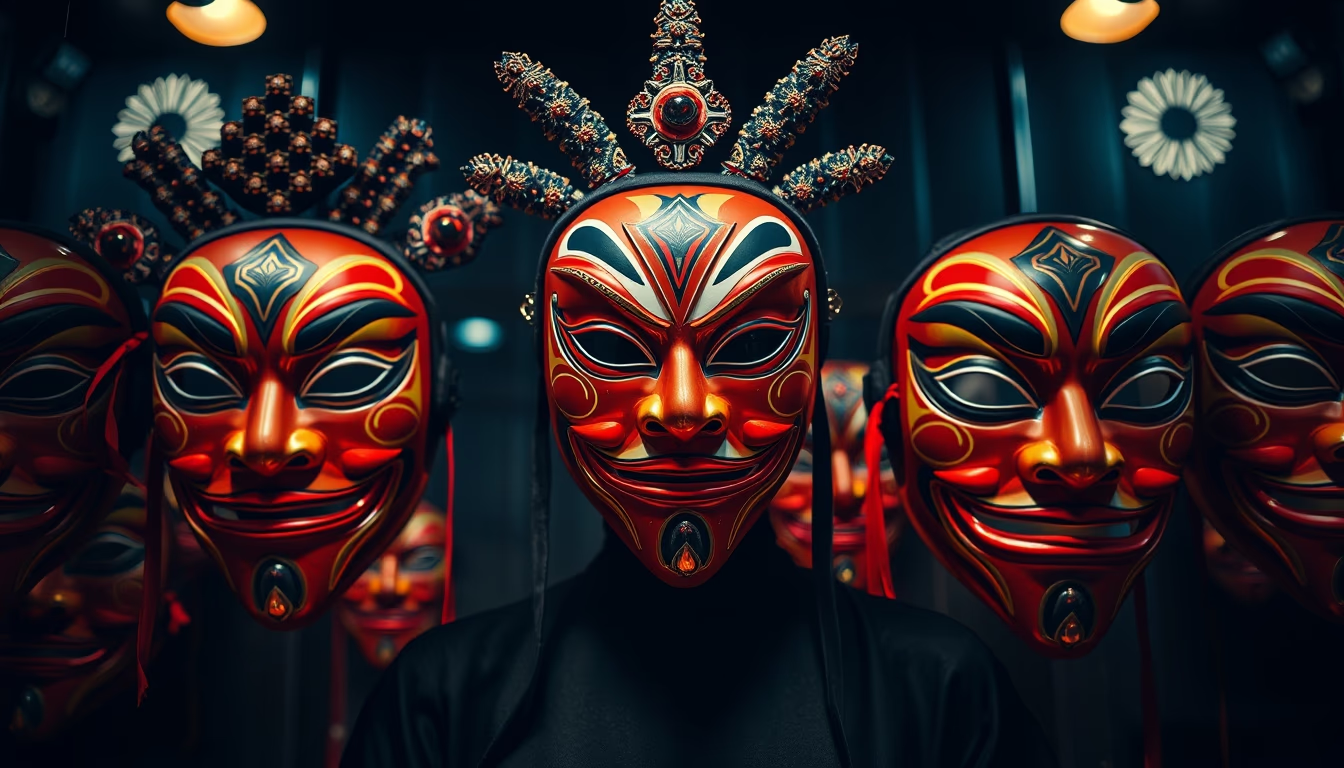
Kabuki masks display
1344×768 · AVIF · CC BY 4.0
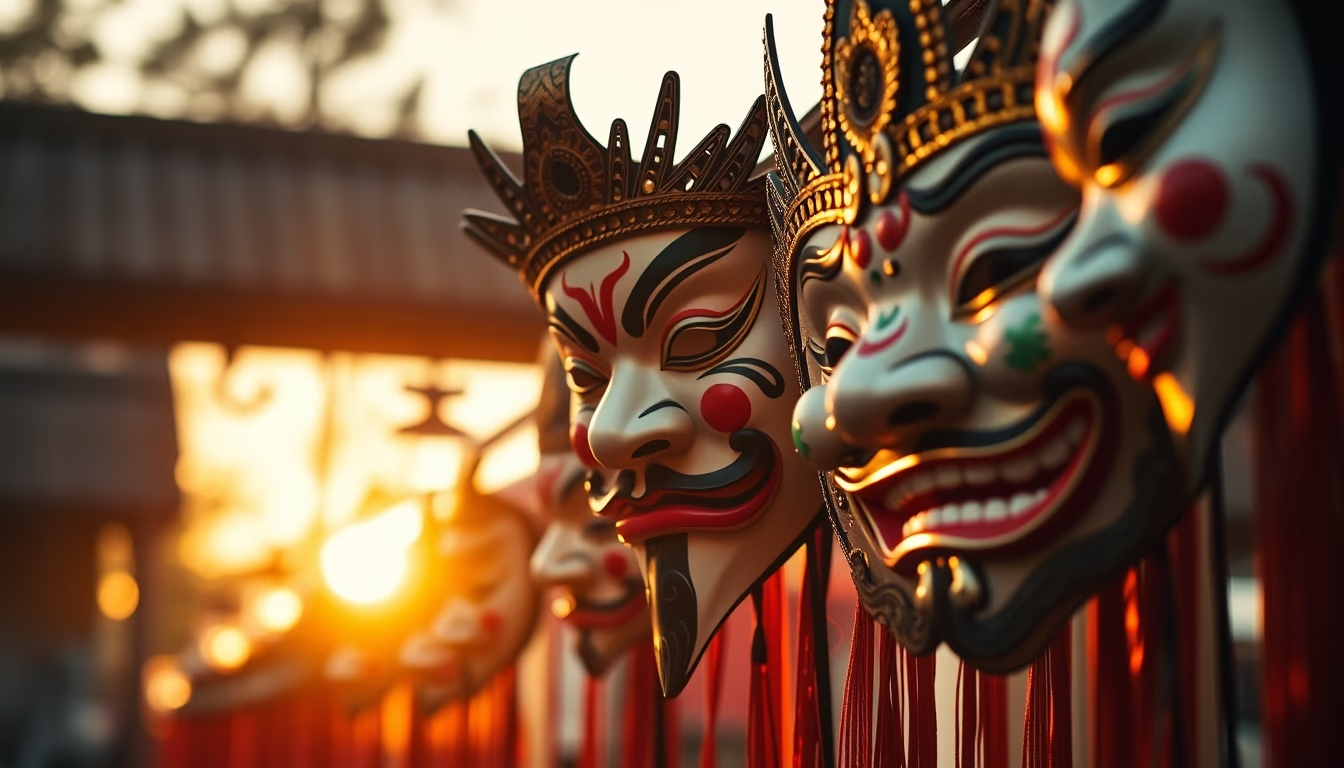
Kabuki masks are essential elements of traditional Japanese theater, each with expressions and colors that represent specific roles.
About this subject
Kabuki, a traditional Japanese performing art recognized by UNESCO as an Intangible Cultural Heritage, uses elaborate masks to define characters and emotions. Unlike Noh theater, which relies on fixed masks, Kabuki often uses heavy makeup called kumadori instead of full masks, but certain plays incorporate traditional masks, especially for supernatural or animal roles. These masks are carved from wood or made from papier-mâché, hand-painted with symbolic colors: red for heroes and justice, blue or black for villains and ghosts. Kabuki originated in the Edo period around 1603, when Izumo no Okuni began performing dances on dry riverbeds in Kyoto. Over time, masks evolved to portray archetypes such as the fierce warrior (aragoto) and the gentle lover (wagoto). Today, master craftsmen preserve centuries-old techniques, and the masks are displayed in museums and festivals, attracting both scholars and tourists. The precision of details, such as arched eyebrows or gritted teeth, conveys micro-expressions that guide the audience in interpreting the narrative.
Frequently Asked Questions
What is the difference between Kabuki masks and Noh theater masks?
Kabuki masks are less fixed; heavy makeup (kumadori) is often used instead, with only some plays incorporating full masks. In Noh, masks are worn throughout and have neutral expressions, with the actor tilting them to show emotions.
What materials are used to make Kabuki masks?
Traditionally, they are carved from Japanese cypress wood (hinoki) or made from papier-mâché. They are painted with natural pigments and finished with lacquer for shine and durability.
Where can I see original Kabuki masks?
Museums in Japan such as the Tokyo National Museum and the Kabuki-za Theatre Museum display collections. They also appear at seasonal festivals and traditional craft shops.
Direct URL
https://pub-c7d6a6ea828543ac903a74a341ccb2e1.r2.dev/imagens/kabuki-masks-display-cinematic-wide-shot-fresh9.avifHow to credit
Include a visible link back to UtilizAí. Copy one of the snippets below:
<a href="https://xn--utiliza-eza.com/en/midia/imagens/kabuki-masks-display-cinematic-wide-shot-fresh9">Kabuki masks display</a> by <a href="https://xn--utiliza-eza.com">UtilizAí</a>, licensed under <a href="https://creativecommons.org/licenses/by/4.0/">CC BY 4.0</a>.
[Kabuki masks display](https://xn--utiliza-eza.com/en/midia/imagens/kabuki-masks-display-cinematic-wide-shot-fresh9) by [UtilizAí](https://xn--utiliza-eza.com), CC BY 4.0
License: CC-BY-4.0