Jollof rice west african
1344×768 · AVIF · CC BY 4.0
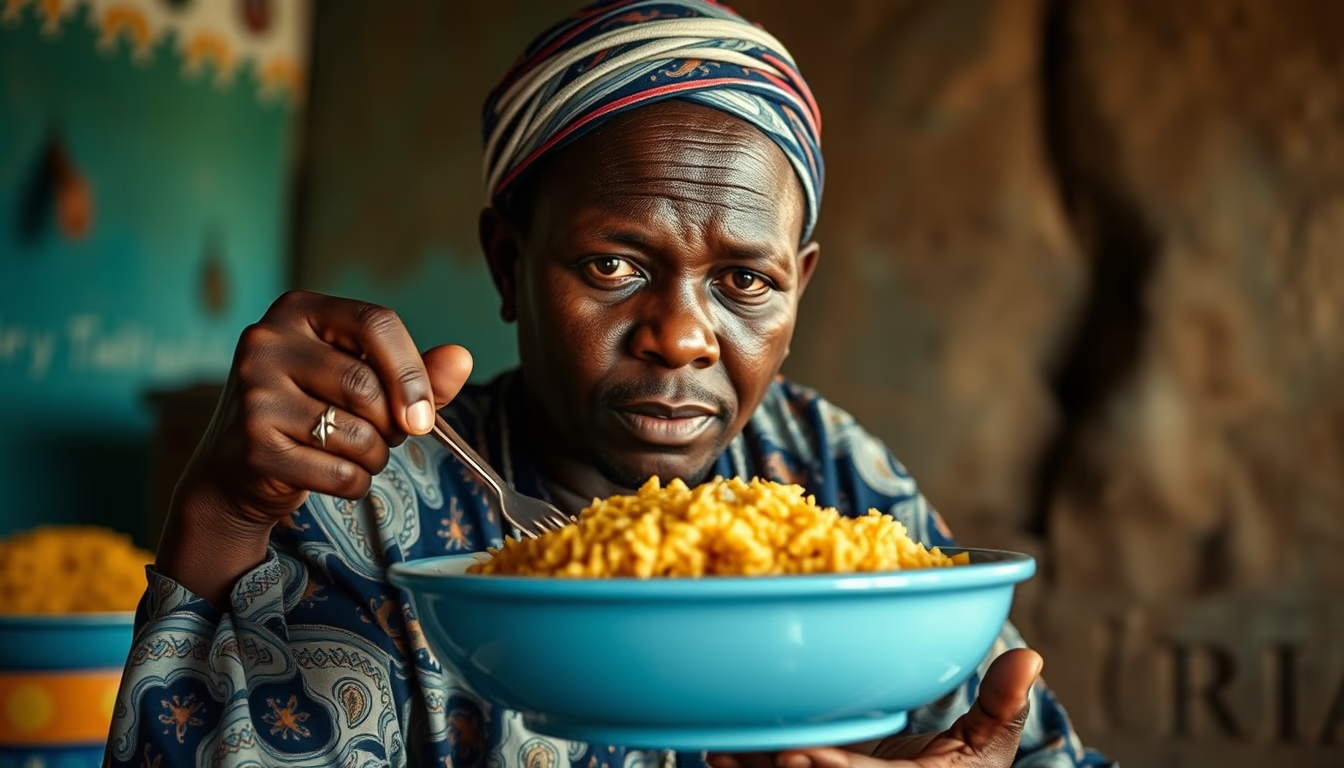
Jollof rice is an iconic West African dish, a symbol of celebration and culinary rivalry among countries like Nigeria, Ghana, and Senegal.
About this subject
Jollof rice is a dish of rice cooked in a tomato-based sauce with onions, bell peppers, and a blend of spices, typical of West Africa. Its origins trace back to the Wolof Empire, which existed between the 13th and 16th centuries in present-day Senegal and Gambia. The name 'jollof' derives from this ethnic group. The dish spread across the region, evolving into local variations that reflect each country's ingredients and preferences.
In Nigeria, jollof rice is often made with long-grain rice, fresh tomatoes, tomato paste, peppers, onions, garlic, ginger, bay leaves, and seasonings like curry and thyme. It is common to add beef, chicken, or fish, served with salad and fried plantains. In Ghana, the dish uses jasmine or basmati rice, less tomato paste, and more pepper, resulting in a spicier flavor and an orange hue. The rivalry between Nigerians and Ghanaians over who makes the best jollof is famous, with informal competitions and even a 'World Jollof Day' on August 22.
In Senegal, the dish is known as 'ceebu jen' (rice with fish) and is considered the national dish. The Senegalese version uses broken rice, fresh fish (such as grouper or sardine), vegetables (carrots, cabbage, cassava), and tamarind sauce, with a long cooking process that blends the flavors. Other countries like Liberia, Sierra Leone, and Cameroon have their own interpretations, often incorporating shrimp, crab, or palm oil.
Jollof rice is not just a daily meal but a festive food present at weddings, birthdays, and holidays. Its popularity has transcended borders: it is found in African restaurants worldwide and has inspired adapted versions in the diaspora. Its preparation is a communal act, often made in large pots to share. The dish has also sparked debates on cultural identity and globalization, being featured in books and documentaries.
Frequently Asked Questions
What is the difference between Nigerian and Ghanaian jollof rice?
Nigerian jollof uses more tomato paste, resulting in a deep red color and slightly sweet taste. Ghanaian jollof uses less paste and more pepper, making it spicier with an orange hue. The rice type also varies: long-grain in Nigeria, jasmine or basmati in Ghana.
Is jollof rice a vegan dish?
Traditional jollof includes meat, fish, or chicken, but it can be adapted for vegans using vegetable broth and plant-based proteins. The tomato and spice base is naturally vegan.
Why is jollof rice called a 'party dish'?
Because it is served at celebrations like weddings, birthdays, and holidays. Its preparation in large quantities reinforces a sense of community and sharing.
Direct URL
https://pub-c7d6a6ea828543ac903a74a341ccb2e1.r2.dev/imagens/jollof-rice-west-african-documentary-photography-fresh16.avifHow to credit
Include a visible link back to UtilizAí. Copy one of the snippets below:
<a href="https://xn--utiliza-eza.com/en/midia/imagens/jollof-rice-west-african-documentary-photography-fresh16">Jollof rice west african</a> by <a href="https://xn--utiliza-eza.com">UtilizAí</a>, licensed under <a href="https://creativecommons.org/licenses/by/4.0/">CC BY 4.0</a>.
[Jollof rice west african](https://xn--utiliza-eza.com/en/midia/imagens/jollof-rice-west-african-documentary-photography-fresh16) by [UtilizAí](https://xn--utiliza-eza.com), CC BY 4.0
License: CC-BY-4.0