Jaguar e-type roadster
1344×768 · AVIF · CC BY 4.0
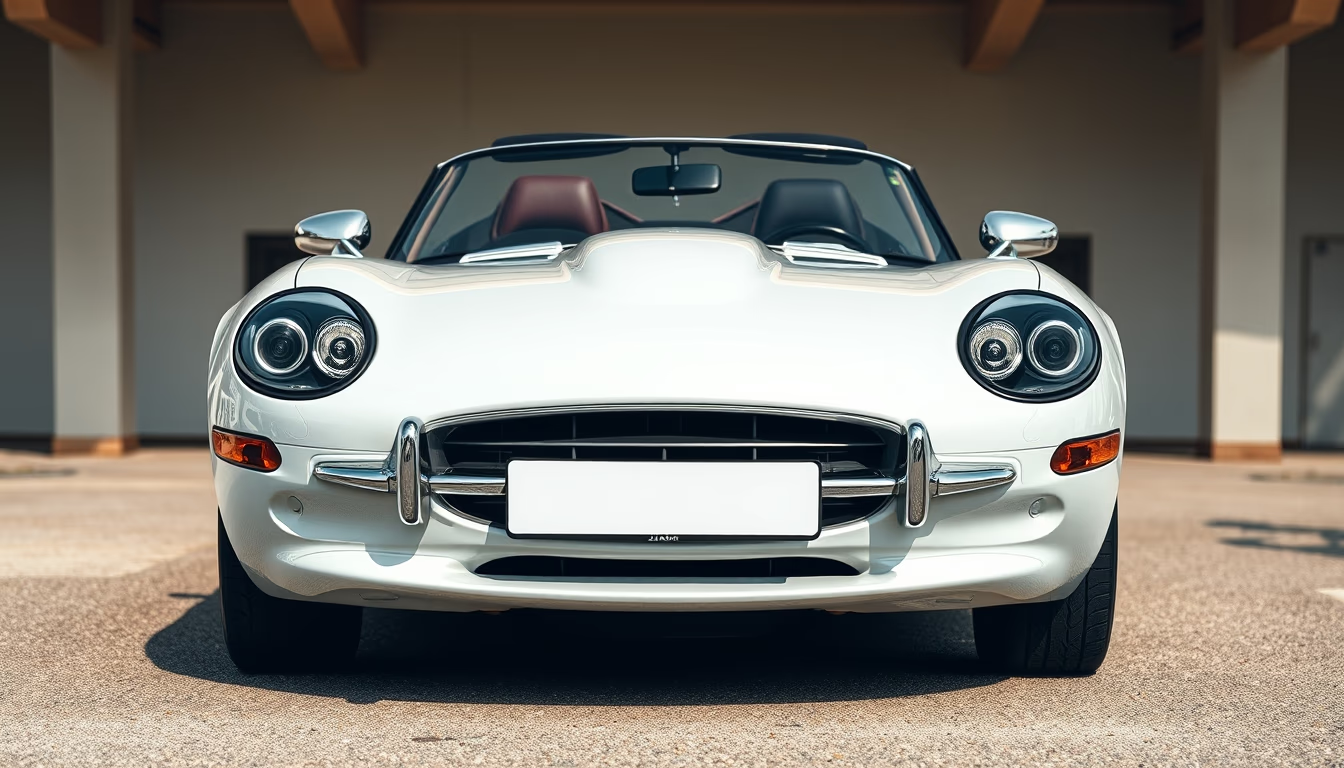
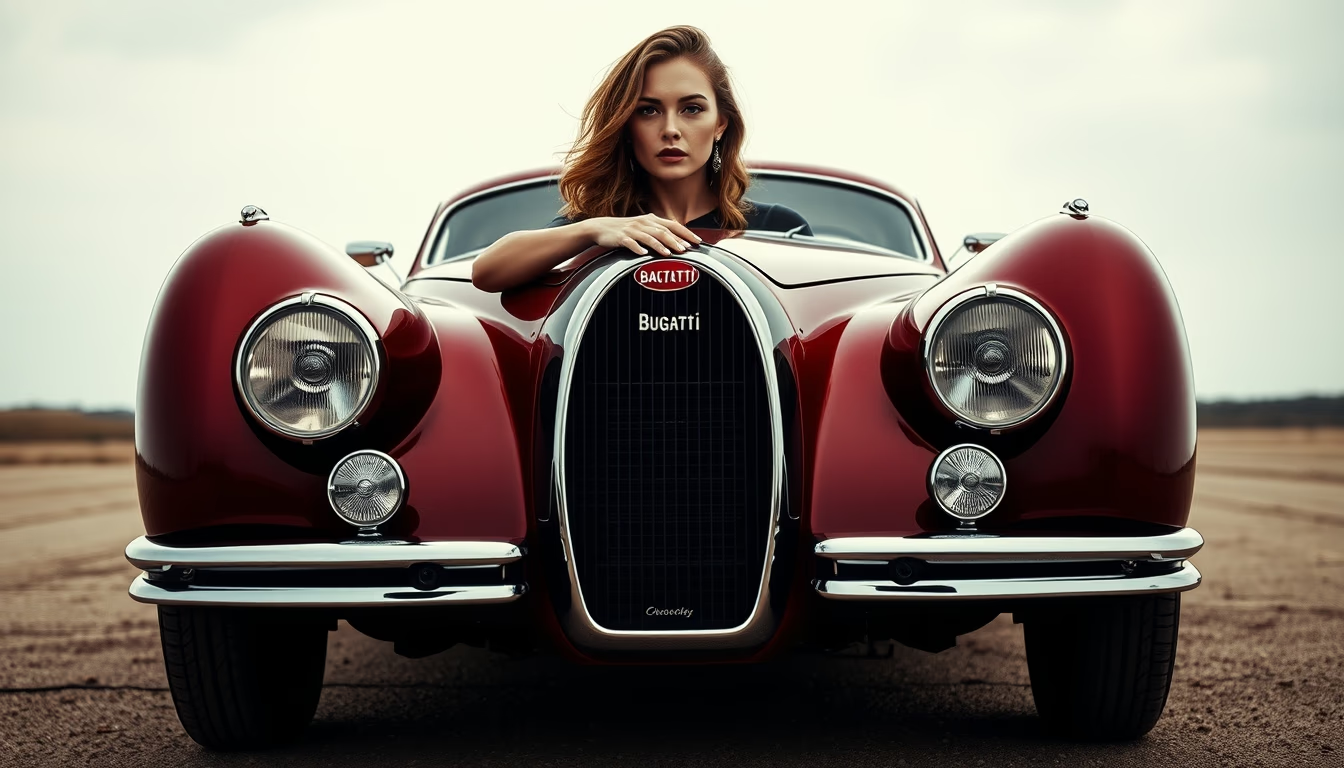
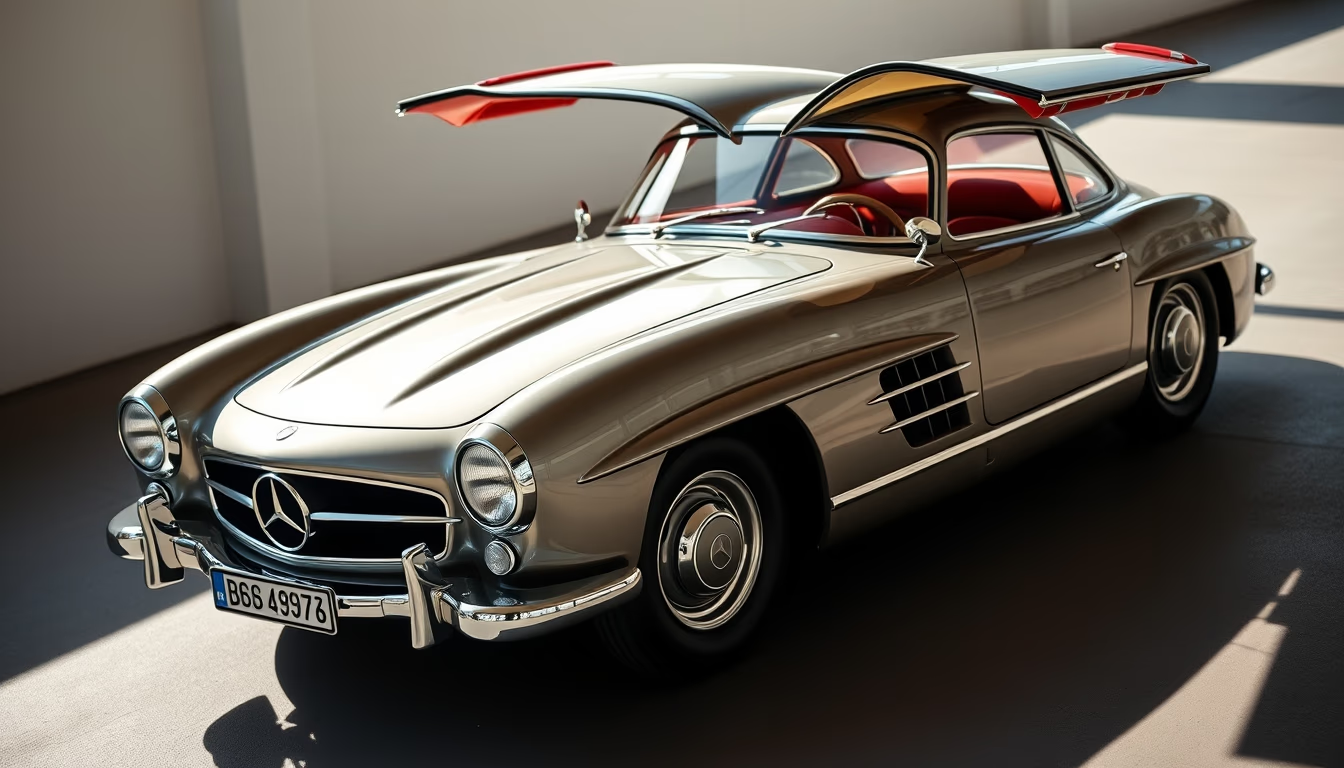
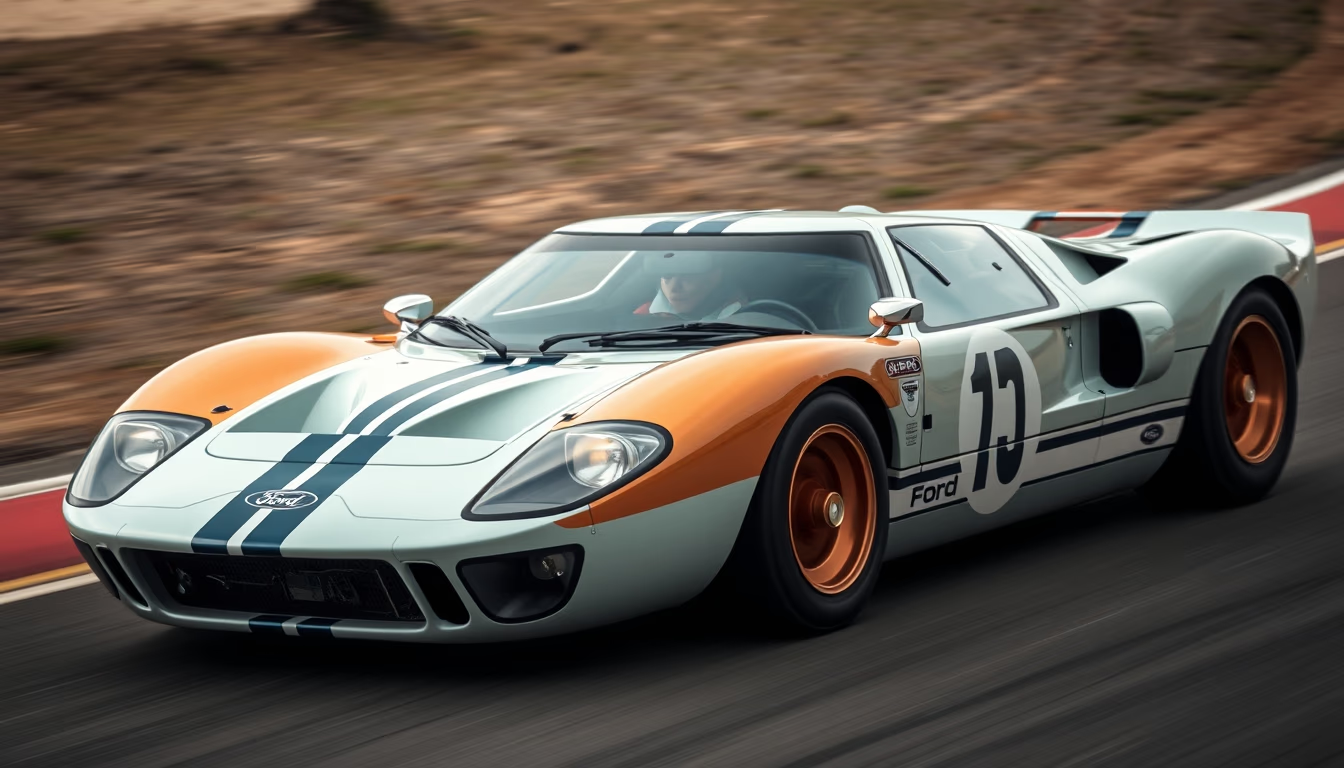
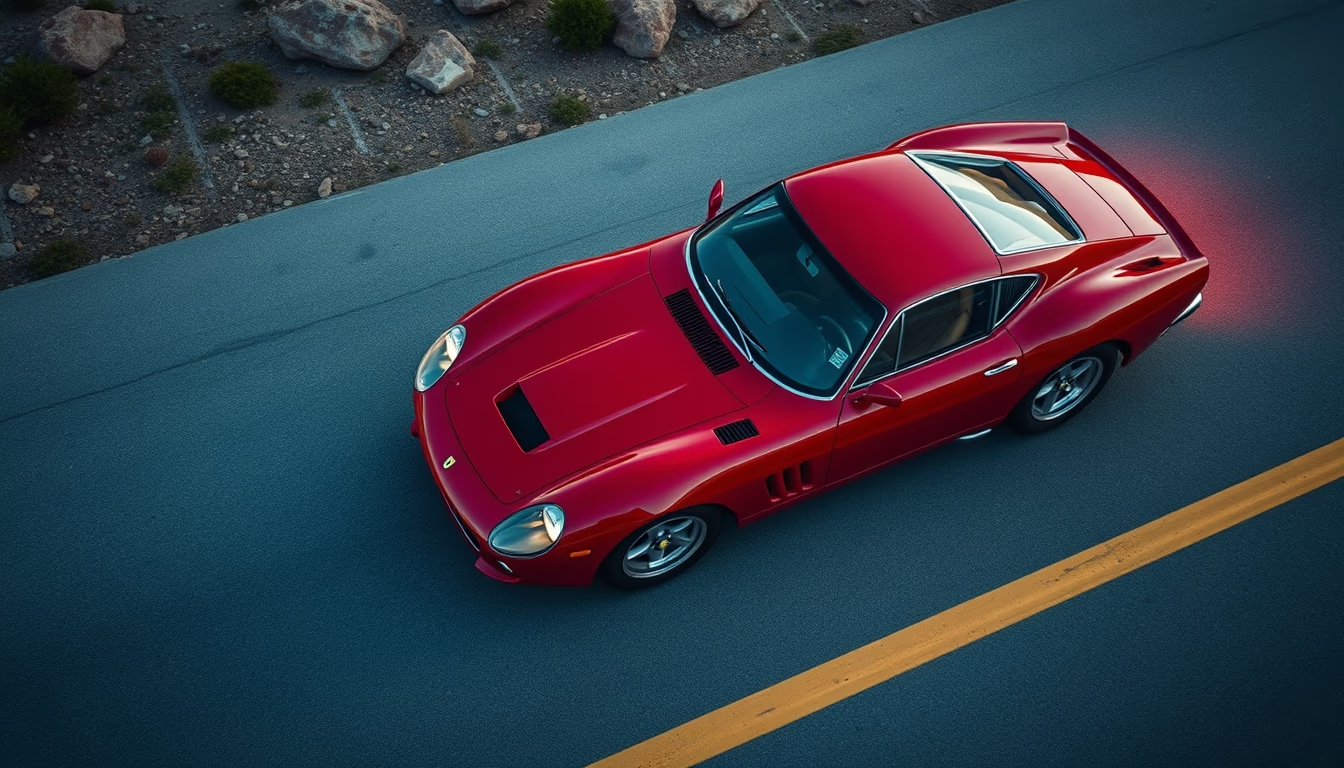
The Jaguar E-Type Roadster, launched in 1961, is one of the most iconic sports cars in history, celebrated for its revolutionary design and exceptional performance.
About this subject
The Jaguar E-Type, also known as the XK-E in the United States, was introduced to the world at the Geneva Motor Show in March 1961. Its aerodynamic design, a masterpiece by Malcolm Sayer, stunned the public and the automotive industry. The long, sleek body, headlights covered by glass fairings, and oval front grille became trademarks. Under the hood, the 3.8-liter straight-six engine produced 265 hp, accelerating the car from 0 to 60 mph in about 7 seconds, a remarkable figure for its time.
The E-Type was not just beautiful; it was designed to win races. Its independent suspension on all four wheels and four-wheel disc brakes provided superior handling and safety. The Roadster (convertible) version offered an open-air driving experience, with a canvas top and removable side windows. Production of the E-Type lasted from 1961 to 1974, spanning three series (Series 1, 2, and 3), with engines ranging from 3.8 to 5.3 liters V12.
The cultural impact of the Jaguar E-Type was immediate. Enzo Ferrari called it 'the most beautiful car ever made.' It starred in films such as 'The Italian Job' (1969) and was driven by celebrities like Steve McQueen and George Harrison. In the 1960s, it represented the pinnacle of modern British lifestyle. Today, it is one of the most valued and coveted classic cars in the world, with well-preserved examples fetching over $100,000 at auctions.
An interesting fact: the original E-Type had no front bumpers, only small chrome overriders, which enhanced its clean silhouette. From Series 2 (1968), larger bumpers were added to meet US regulations. The model continues to inspire designers and enthusiasts, remaining an eternal symbol of British automotive engineering.
Frequently Asked Questions
What was the launch price of the Jaguar E-Type Roadster?
In 1961, the Jaguar E-Type Roadster cost around £2,200 in the UK, which was considered excellent value for a car with supercar performance.
How many Jaguar E-Type units were produced?
Total production of the Jaguar E-Type was approximately 72,500 units, including all series and versions (Roadster, Fixed Head Coupé, and 2+2).
What is the difference between the Jaguar E-Type Series 1 and Series 2?
The Series 2 (1968) introduced changes such as open headlights without glass covers, larger bumpers, larger taillights, and a 4.2-liter engine with modified carburetors for emissions.
Direct URL
https://pub-c7d6a6ea828543ac903a74a341ccb2e1.r2.dev/imagens/jaguar-e-type-roadster-architectural-photography-fresh4.avifHow to credit
Include a visible link back to UtilizAí. Copy one of the snippets below:
<a href="https://xn--utiliza-eza.com/en/midia/imagens/jaguar-e-type-roadster-architectural-photography-fresh4">Jaguar e-type roadster</a> by <a href="https://xn--utiliza-eza.com">UtilizAí</a>, licensed under <a href="https://creativecommons.org/licenses/by/4.0/">CC BY 4.0</a>.
[Jaguar e-type roadster](https://xn--utiliza-eza.com/en/midia/imagens/jaguar-e-type-roadster-architectural-photography-fresh4) by [UtilizAí](https://xn--utiliza-eza.com), CC BY 4.0
License: CC-BY-4.0