Jade carved chinese
1344×768 · AVIF · CC BY 4.0
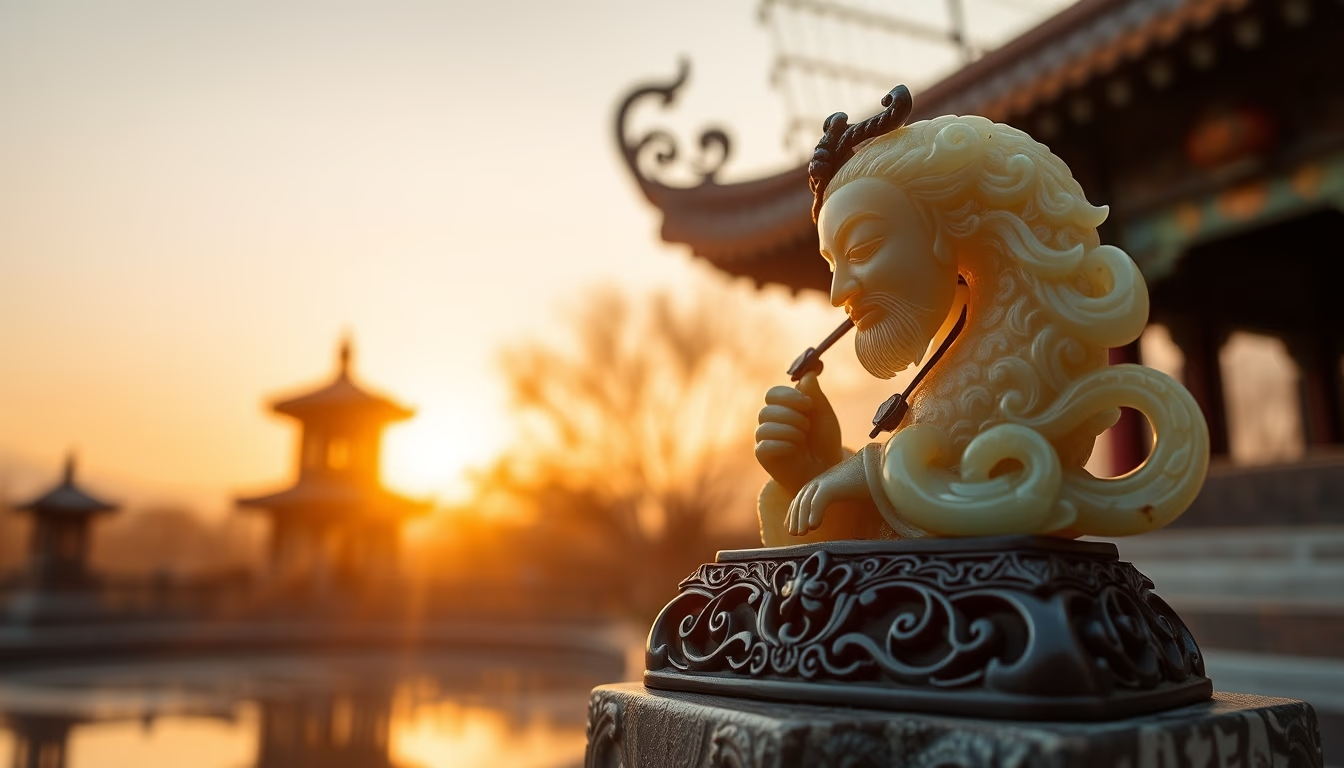
Chinese carved jade represents an ancient art symbolizing virtue and status in Chinese culture.
About this subject
Jade, a precious stone composed of minerals such as nephrite and jadeite, has been carved in China for over 7,000 years. The earliest pieces, from the Neolithic period, included amulets and ritual tools. Over time, jade became a symbol of purity, nobility, and immortality, associated with the five Confucian virtues: benevolence, righteousness, wisdom, courage, and integrity. During dynasties such as Shang, Zhou, and Qing, emperors used jade objects in ceremonies and as imperial seals.
The carving technique requires precision and patience, as jade is both hard and brittle. Artisans use rotary tools with sand abrasives to engrave intricate patterns, such as dragons, phoenixes, and poetic inscriptions. Famous pieces include the "He Shi Jade" and the jade burial suits from the Han dynasty, made of thousands of plaques sewn with gold wire. Jade is also used in jewelry, sculptures, and decorative items, and is a traditional gift for weddings and anniversaries.
In modern China, the cultural value of jade remains strong. Antique markets and craft fairs display pieces ranging from simple pendants to elaborate statues. The city of Hotan in Xinjiang is famous for its white nephrite, while Myanmar is the main source of gem-quality jadeite. Collectors and enthusiasts seek pieces with vibrant color, translucence, and meticulous carving, which can be worth millions of dollars.
Beyond aesthetics, jade carries spiritual meanings. It is believed to protect the wearer, attract good luck, and balance energies. In temples and palaces, jade sculptures are placed to purify the environment. This connection among art, history, and belief makes Chinese carved jade one of the world's most enduring cultural legacies.
Frequently Asked Questions
What is the difference between jade and jadeite?
Jade is a generic term for two metamorphic rocks: nephrite (calcium and magnesium) and jadeite (sodium and aluminum). Jadeite is rarer and more valuable, with more vibrant colors, while nephrite is more common and tough.
Why is jade so important in Chinese culture?
Jade symbolizes virtue, purity, and immortality, associated with the five Confucian virtues. It was used by emperors as a symbol of power and in religious rituals, and is still considered a protective and lucky charm.
How are jade pieces carved?
Carving jade requires rotary tools with diamond tips or sand abrasives. The artisan designs the pattern, roughs out the piece, and finishes with hand polishing, a process that can take weeks or months depending on the complexity.
Direct URL
https://pub-c7d6a6ea828543ac903a74a341ccb2e1.r2.dev/imagens/jade-carved-chinese-travel-photography-p2.avifHow to credit
Include a visible link back to UtilizAí. Copy one of the snippets below:
<a href="https://xn--utiliza-eza.com/en/midia/imagens/jade-carved-chinese-travel-photography-p2">Jade carved chinese</a> by <a href="https://xn--utiliza-eza.com">UtilizAí</a>, licensed under <a href="https://creativecommons.org/licenses/by/4.0/">CC BY 4.0</a>.
[Jade carved chinese](https://xn--utiliza-eza.com/en/midia/imagens/jade-carved-chinese-travel-photography-p2) by [UtilizAí](https://xn--utiliza-eza.com), CC BY 4.0
License: CC-BY-4.0