Inking pen workshop
1344×768 · AVIF · CC BY 4.0
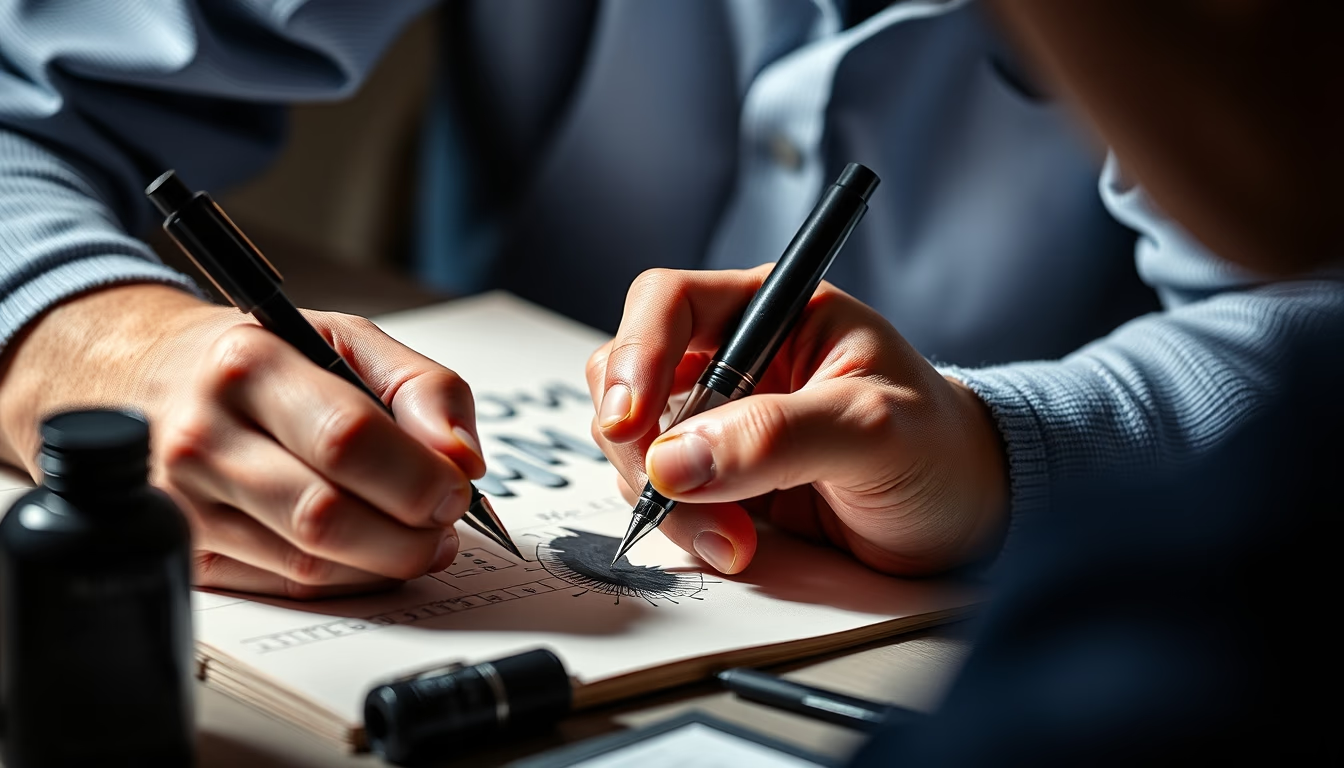
Inking pen workshop teaches fineliner techniques for illustrators and comic artists, covering materials, linework, and composition.
About this subject
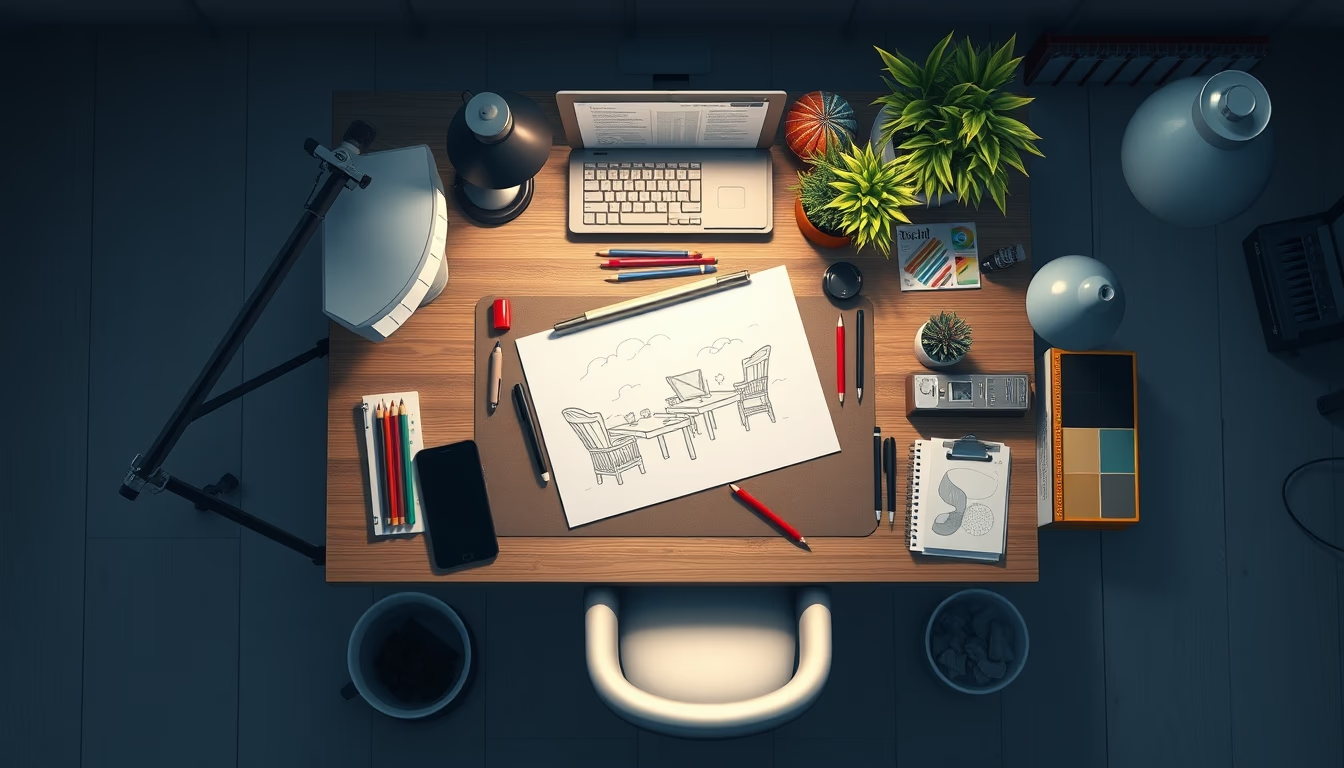
The inking pen workshop is a hands-on experience for artists aiming to master inking, a critical step in comic book and editorial illustration production. Unlike pencil sketches, ink requires precision and confidence, as corrections are limited. Participants learn to choose among various pen types, such as felt-tip, metal nib, or plastic point pens, each offering different line thicknesses and textures. Techniques like hatching, stippling, and pressure variation are emphasized to create shading and volume. The tradition of inking dates back to medieval illuminated manuscripts, but it gained prominence in the 20th century with American superhero comics and Japanese manga, influencing generations of artists in Brazil, such as those from the Porto Alegre school and the São Paulo style. During the workshop, instructors often demonstrate how ink can be combined with watercolor or gouache for hybrid effects. Students also learn pen maintenance, such as cleaning tips and proper storage to extend lifespan. A practical aspect is continuous line drawing exercises, which improve fine motor skills and line fluidity. The workshop typically includes a brief history of ink in the publishing industry, highlighting artists like Will Eisner and Moebius who revolutionized line usage. Beginners are advised to start with disposable fine-tip pens (0.1 to 0.5 mm) before investing in refillable models. In Brazil, events like the Curitiba Comics Biennial and the Jundiaí Laugh Festival offer similar workshops, promoting technique exchange among national and international comic artists.
Frequently Asked Questions
What materials are needed to participate in an inking workshop?
Typically, participants need inking pens of various sizes (0.1 to 0.8 mm), paper suitable for ink (120 g/m² or higher), HB pencil for sketching, an eraser, and optionally a ruler and lightbox for calligraphy and linework exercises.
What is the difference between liquid ink and ink pens?
Liquid ink is applied with a brush or dip pen, offering more line variety but requiring practice. Ink pens (fineliners) are more convenient and consistent, ideal for beginners and for tasks needing uniform lines, such as comics and technical drawings.
How to fix mistakes in ink drawings?
Ink is permanent, so it's best to use sturdy paper. If needed, carefully scrape with a craft knife or use opaque white paint to cover the error. In digital illustration, correction is easier, but in traditional media planning is essential.
Direct URL
https://pub-c7d6a6ea828543ac903a74a341ccb2e1.r2.dev/imagens/inking-pen-workshop-magazine-editorial-fresh13.avifHow to credit
Include a visible link back to UtilizAí. Copy one of the snippets below:
<a href="https://xn--utiliza-eza.com/en/midia/imagens/inking-pen-workshop-magazine-editorial-fresh13">Inking pen workshop</a> by <a href="https://xn--utiliza-eza.com">UtilizAí</a>, licensed under <a href="https://creativecommons.org/licenses/by/4.0/">CC BY 4.0</a>.
[Inking pen workshop](https://xn--utiliza-eza.com/en/midia/imagens/inking-pen-workshop-magazine-editorial-fresh13) by [UtilizAí](https://xn--utiliza-eza.com), CC BY 4.0
License: CC-BY-4.0