Injera ethiopian flat
1344×768 · AVIF · CC BY 4.0
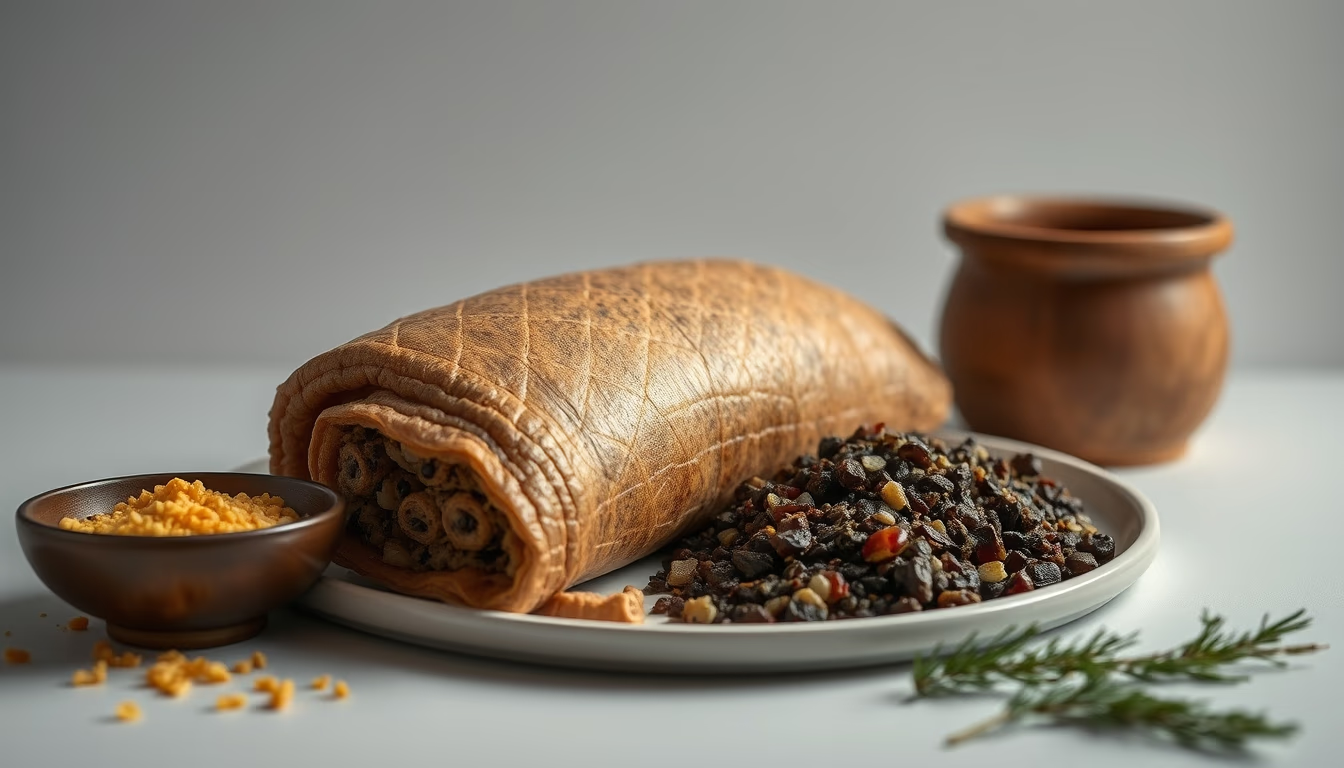
Injera is the traditional fermented flatbread from Ethiopia and Eritrea, made from teff flour, with a spongy texture and slightly sour taste.
About this subject
Injera is a fermented flatbread that forms the foundation of Ethiopian and Eritrean cuisine. It is made from teff flour, an ancient grain rich in iron and calcium. The batter is mixed with water and left to ferment for several days, developing a distinctive tangy flavor. It is then poured onto a large round griddle called a mitad, resulting in a porous, sponge-like surface that is ideal for scooping up stews and sauces.
In Ethiopia and Eritrea, injera is not just a side dish; it serves as plate, utensil, and food all at once. Diners tear pieces of injera to pick up various wats (stews) and salads placed on a large communal platter. This eating style reflects the strong communal tradition of Ethiopian meals, where everyone shares from the same central dish.
The fermentation process is natural and lasts two to four days, depending on ambient temperature. The starter culture, called ersho, is passed down through generations. While teff is the most traditional and prized grain for its high nutritional value, modern versions use wheat, barley, or sorghum to reduce cost. However, teff injera offers the most authentic flavor and is naturally gluten-free, making it a popular choice among those with celiac disease.
Making injera requires patience and skill. The thin batter is poured onto the hot mitad and, unlike a pancake, it is cooked only on one side, creating a spongy and elastic texture. The bottom becomes golden with dark bubbles, while the top remains moist with small eyes. This unique characteristic distinguishes injera from other flatbreads around the world.
Frequently Asked Questions
What is injera traditionally made of?
Traditional injera is made from teff flour, a grain native to Ethiopia and Eritrea. The batter is naturally fermented for several days before cooking.
How is injera eaten in Ethiopia?
Injera serves as the base for the meal: foods are placed on top, and each person tears pieces to scoop up stews and salads. It is a communal practice.
Does injera contain gluten?
Injera made exclusively with teff is naturally gluten-free. However, versions that mix other grains like wheat or barley may contain gluten.
Direct URL
https://pub-c7d6a6ea828543ac903a74a341ccb2e1.r2.dev/imagens/injera-ethiopian-flat-studio-still-life-fresh8.avifHow to credit
Include a visible link back to UtilizAí. Copy one of the snippets below:
<a href="https://xn--utiliza-eza.com/en/midia/imagens/injera-ethiopian-flat-studio-still-life-fresh8">Injera ethiopian flat</a> by <a href="https://xn--utiliza-eza.com">UtilizAí</a>, licensed under <a href="https://creativecommons.org/licenses/by/4.0/">CC BY 4.0</a>.
[Injera ethiopian flat](https://xn--utiliza-eza.com/en/midia/imagens/injera-ethiopian-flat-studio-still-life-fresh8) by [UtilizAí](https://xn--utiliza-eza.com), CC BY 4.0
License: CC-BY-4.0