Incan terraces
1344×768 · AVIF · CC BY 4.0
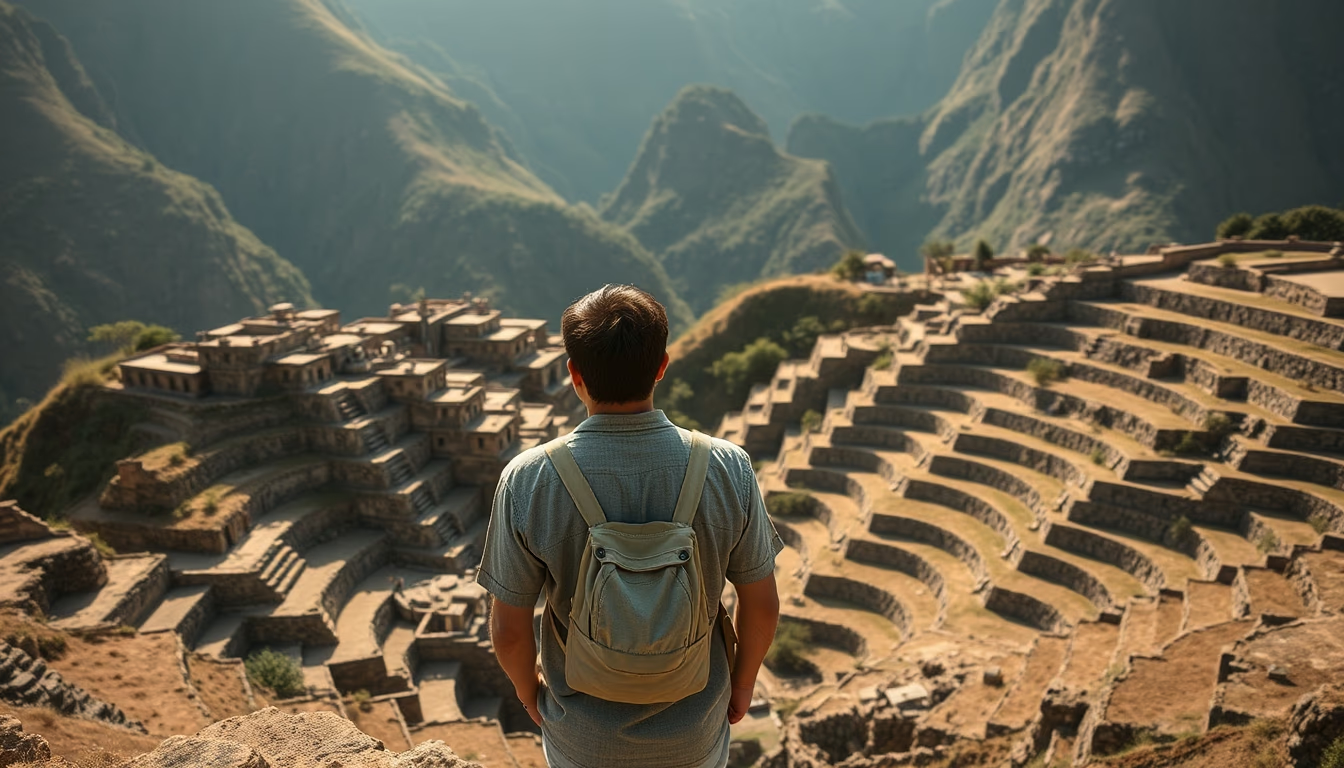
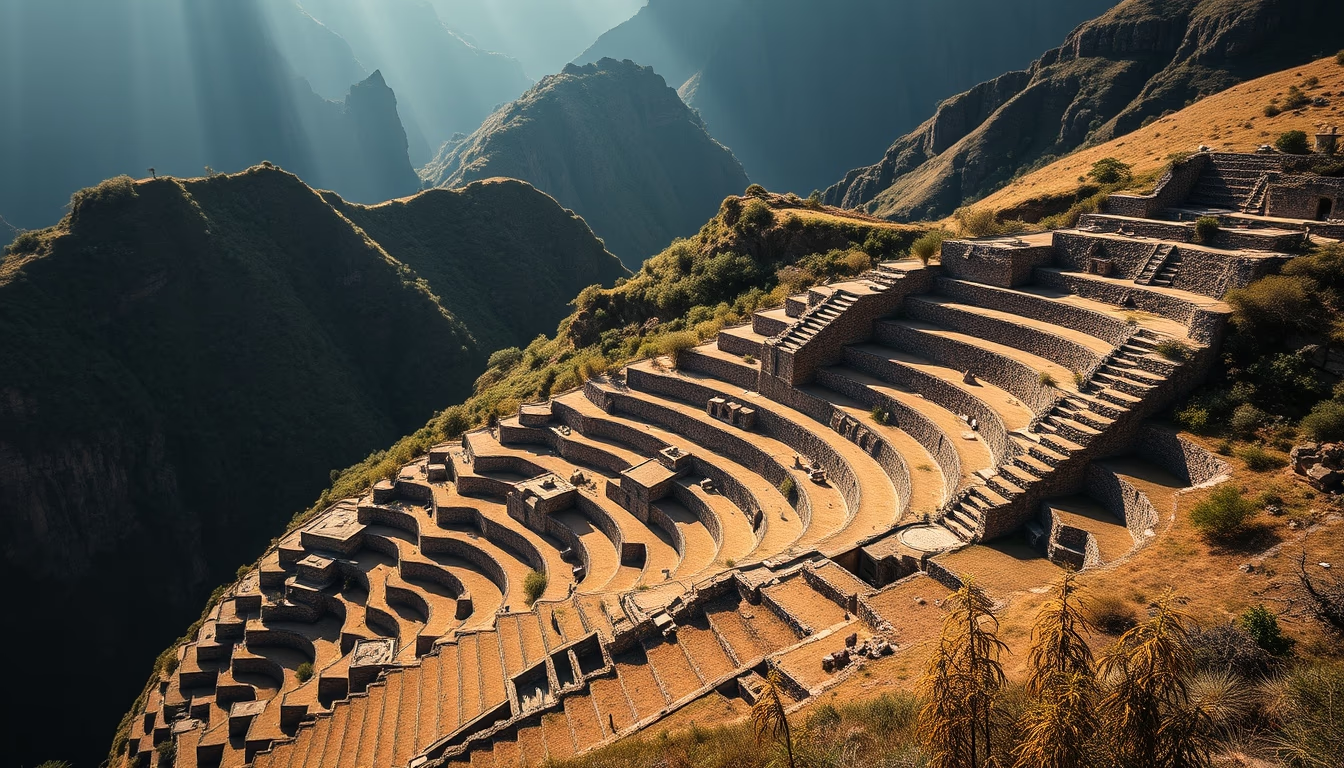
Inca terraces, known as andenes, were hillside agricultural systems that sustained the Inca Empire in the Peruvian Andes.
About this subject
Inca terraces, or andenes, represent one of the most remarkable agricultural adaptations in history. Built between the 13th and 16th centuries, they transformed steep Andean slopes into fertile farming areas. The technique involved excavating horizontal platforms supported by dry stone walls, which prevented erosion and allowed controlled water drainage. The Incas developed a complex irrigation system with channels distributing water from glaciers and springs to the crops. These terraces enabled the cultivation of maize, potatoes, quinoa, and other products at altitudes ranging from 2,500 to 4,000 meters.
The significance of terraces went beyond food production: they embodied Inca engineering and social organization. Construction required collective labor regulated by the mit'a system, and each terrace was adapted to local soil and climate conditions. Sites like Moray feature concentric circular terraces that created microclimates, allowing agricultural experiments. At Machu Picchu, terraces not only produced food but also served as foundations for the city's structures, preventing landslides.
Andenes also carried symbolic meaning. The earth was considered a deity, Pachamama, and terrace farming was a sacred act. After the Spanish arrival, many terraces were abandoned, but some remain in use today by Andean communities. Modern studies show these terraces are incredibly sustainable, conserving soil and water. In 2011, UNESCO recognized the Qhapaq Ñan road network, which includes many terrace sites, as a World Heritage site. Current restoration projects aim to rehabilitate these systems to address contemporary agricultural challenges.
Frequently Asked Questions
How did the Incas build agricultural terraces?
The Incas excavated slopes to create horizontal platforms supported by dry stone walls. They used a drainage system with layers of gravel and sand to prevent waterlogging, and channels irrigated crops with water from springs and glaciers.
What crops were grown on Inca terraces?
Maize, potatoes, quinoa, beans, squash, and chili peppers were common. At lower altitudes, cotton and fruits were also cultivated. Potatoes were especially important, with varieties adapted to different microclimates created by the terraces.
Where can I still see preserved Inca terraces today?
Machu Picchu, Moray, Pisac, Ollantaytambo, and the Sacred Valley in Peru have well-preserved examples. Terraces also exist at sites like Tipón and Choquequirao. Many are still used by local communities.
Direct URL
https://pub-c7d6a6ea828543ac903a74a341ccb2e1.r2.dev/imagens/incan-terraces-documentary-photography-p5.avifHow to credit
Include a visible link back to UtilizAí. Copy one of the snippets below:
<a href="https://xn--utiliza-eza.com/en/midia/imagens/incan-terraces-documentary-photography-p5">Incan terraces</a> by <a href="https://xn--utiliza-eza.com">UtilizAí</a>, licensed under <a href="https://creativecommons.org/licenses/by/4.0/">CC BY 4.0</a>.
[Incan terraces](https://xn--utiliza-eza.com/en/midia/imagens/incan-terraces-documentary-photography-p5) by [UtilizAí](https://xn--utiliza-eza.com), CC BY 4.0
License: CC-BY-4.0