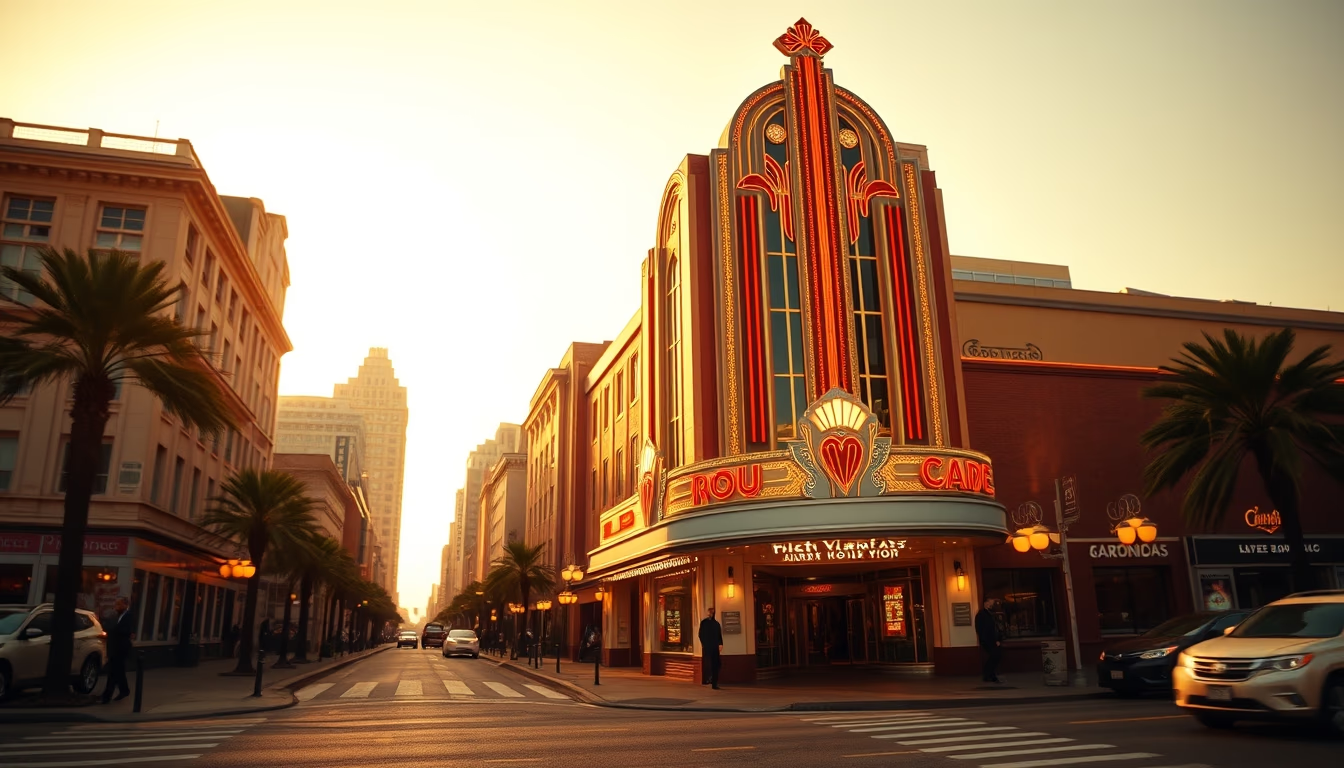
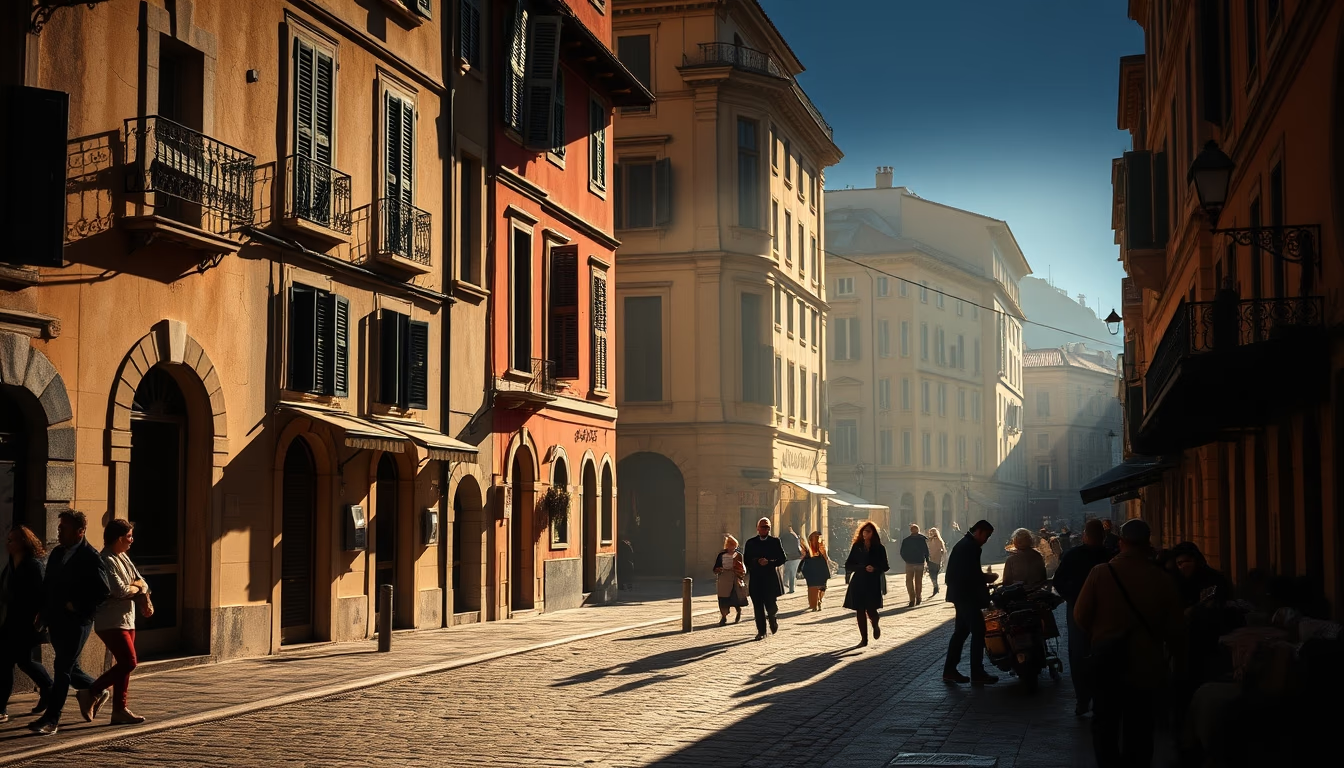
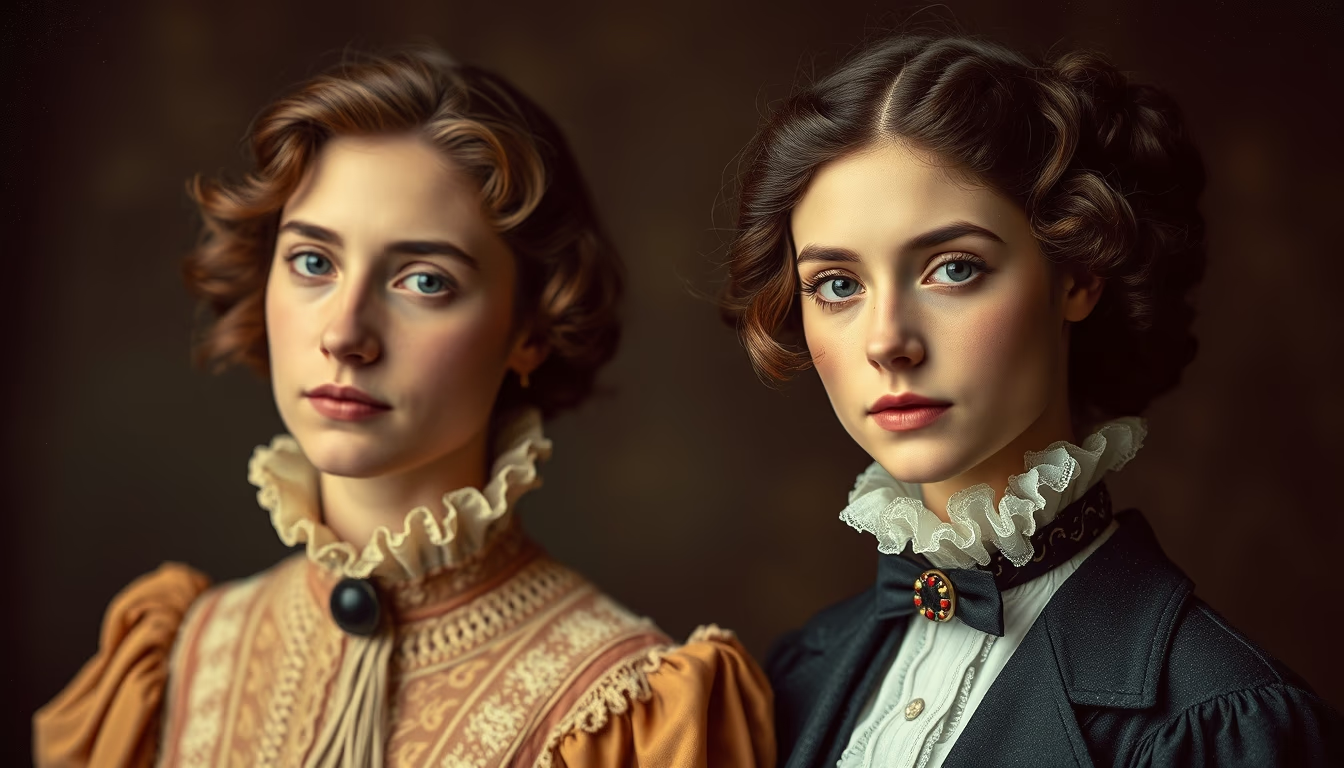
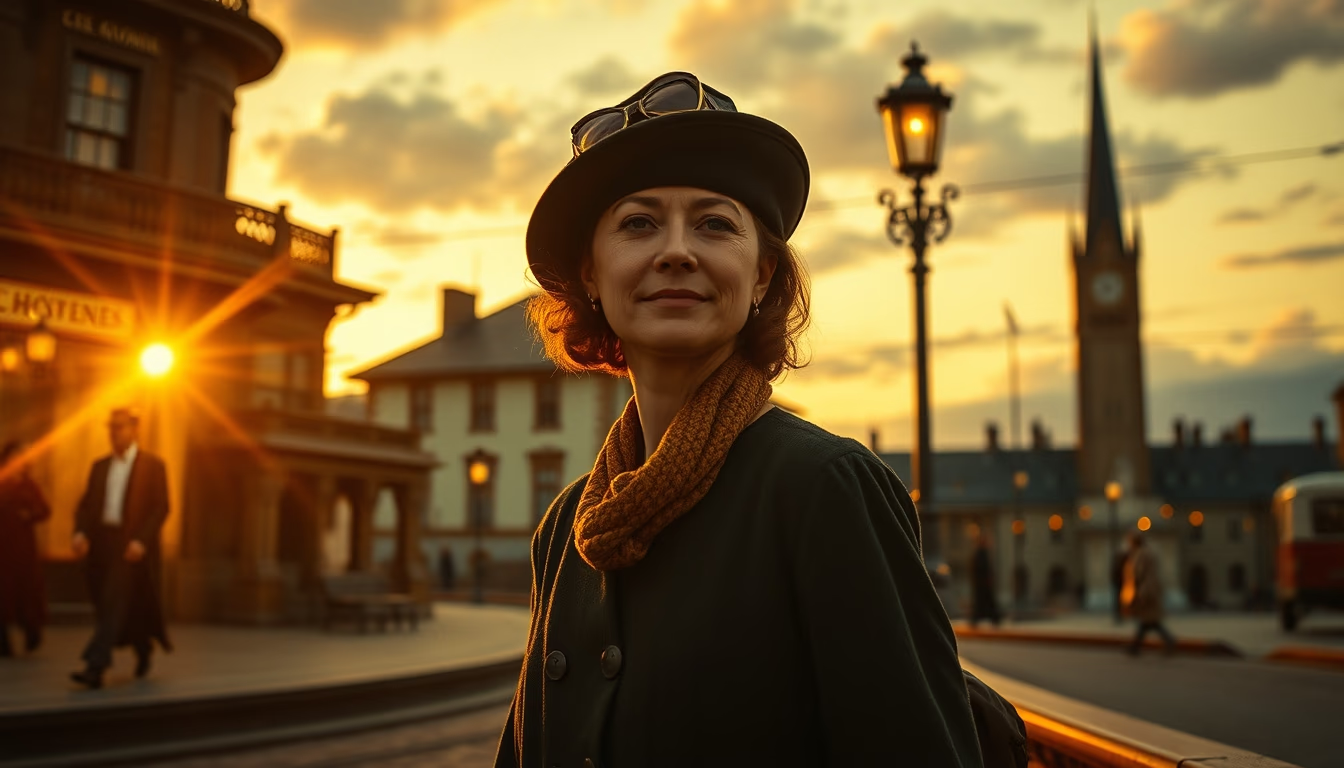
Illustrated postcard 1900
1344×768 · AVIF · CC BY 4.0
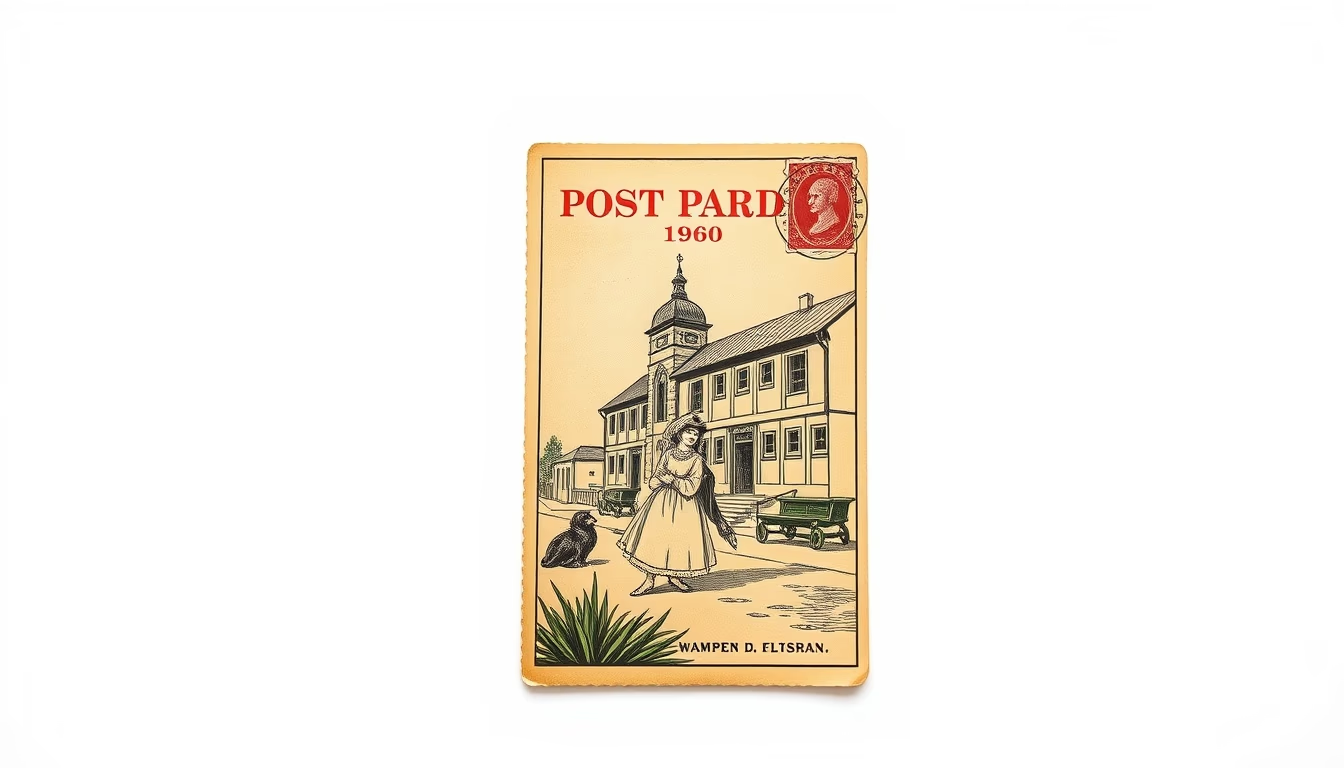
Illustrated postcard from 1900: art, correspondence, and visual memory of the Belle Époque.
About this subject
Illustrated postcards emerged in the late 19th century and quickly became a global phenomenon of communication and collecting. Around 1900, mass production, driven by advances in lithography and photography, allowed images of landscapes, cities, events, and artworks to be sent by mail at low cost. These postcards captured the spirit of the Belle Époque, a period of optimism and innovation in Europe and expanding to the Americas.
In Brazil, early 20th century illustrated postcards mainly depicted Rio de Janeiro, then the federal capital, featuring landmarks such as Sugarloaf Mountain, Corcovado, and Avenida Central. They served as souvenirs for immigrants and travelers, and were exchanged among families and friends as tokens of affection. The practice of collecting postcards, known as cartophilia, became a popular hobby, with albums organized by theme or location.
A notable feature of postcards from 1900 was the combination of photography and illustration. Many were produced using hand-coloring or polychrome printing techniques, resulting in vibrant colors that contrasted with the black-and-white photography of the time. The back was divided: one side for correspondence, the other for the address and stamp. This standardization, adopted internationally in 1902, facilitated postal exchange.
Today, these postcards are valuable historical and artistic documents. They reveal fashions, architecture, transportation, and customs of a transformative era. Museums and digital archives preserve millions of these images, offering an authentic glimpse into the daily life and aspirations of a society undergoing modernization.
Frequently Asked Questions
Why were postcards from 1900 colorful when photography was black and white?
They were hand-colored with watercolor or produced using chromolithography, a technique that allowed multi-color printing. This made images more attractive and highlighted details like skies, vegetation, and clothing.
What does the term "Belle Époque" mean in relation to postcards?
Belle Époque refers to the period from 1871 to 1914, marked by technological and cultural progress. Illustrated postcards from that time reflect optimism, urban innovation, and refined aesthetics, now symbols of the era.
How were postcards from 1900 sent and preserved?
They were placed in envelopes or sent open with a stamp. Collectors kept them in special albums with corner mounts. Many survived because they were stored in families or acquired by antique dealers.
Direct URL
https://pub-c7d6a6ea828543ac903a74a341ccb2e1.r2.dev/imagens/illustrated-postcard-1900-commercial-product-photography-fresh4.avifHow to credit
Include a visible link back to UtilizAí. Copy one of the snippets below:
<a href="https://xn--utiliza-eza.com/en/midia/imagens/illustrated-postcard-1900-commercial-product-photography-fresh4">Illustrated postcard 1900</a> by <a href="https://xn--utiliza-eza.com">UtilizAí</a>, licensed under <a href="https://creativecommons.org/licenses/by/4.0/">CC BY 4.0</a>.
[Illustrated postcard 1900](https://xn--utiliza-eza.com/en/midia/imagens/illustrated-postcard-1900-commercial-product-photography-fresh4) by [UtilizAí](https://xn--utiliza-eza.com), CC BY 4.0
License: CC-BY-4.0