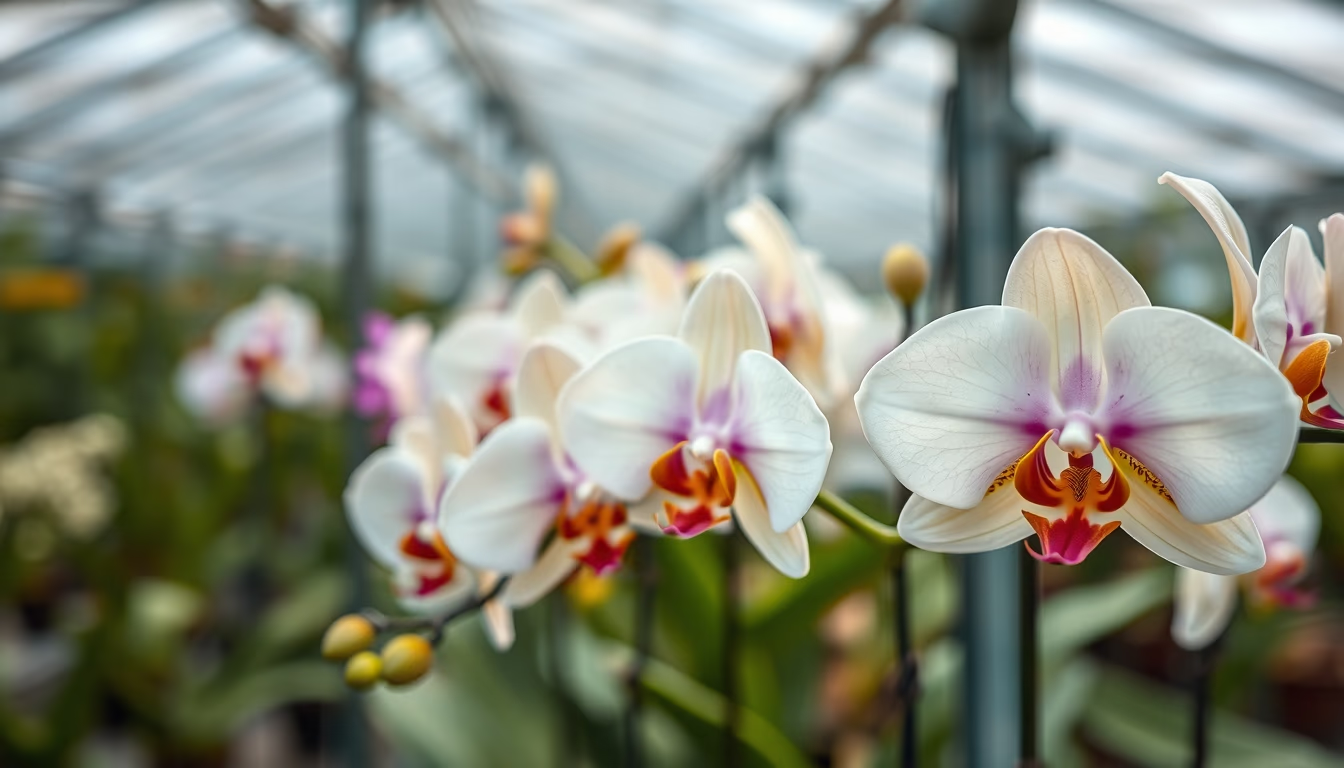
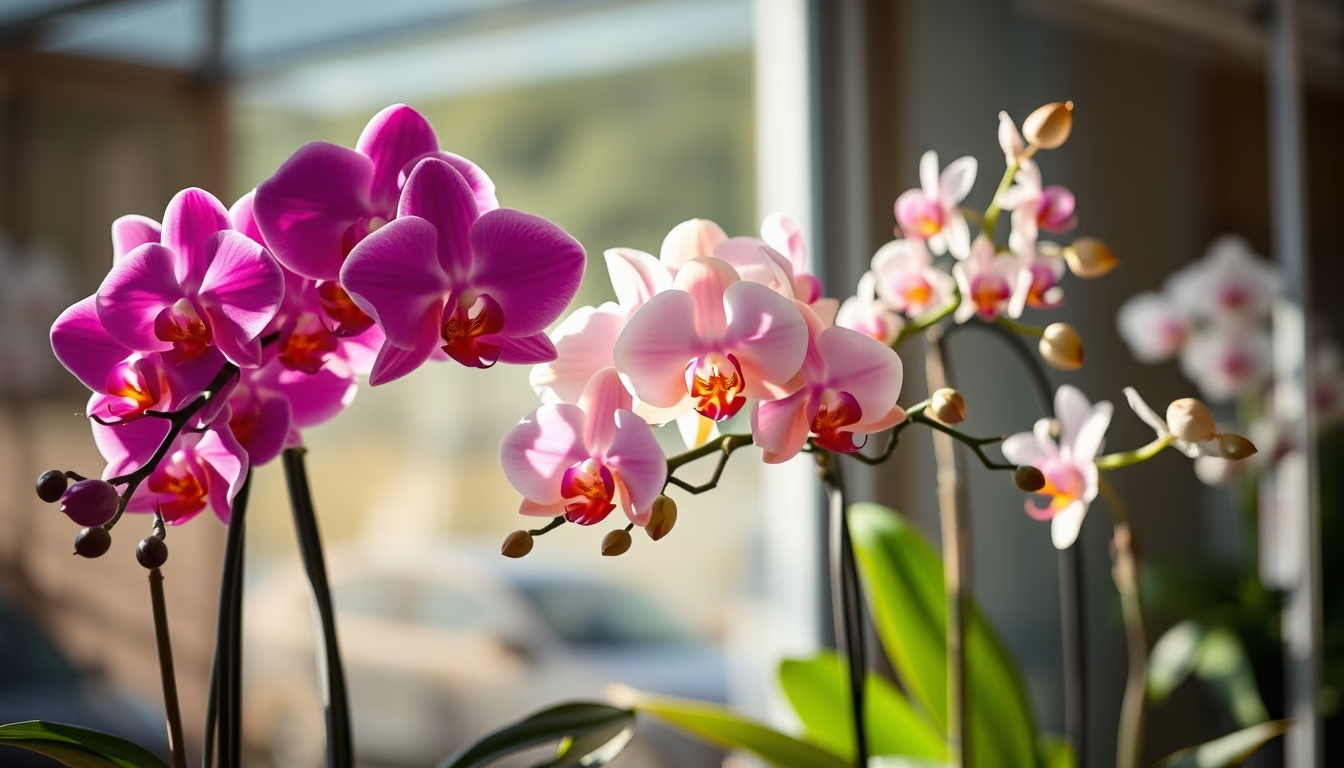
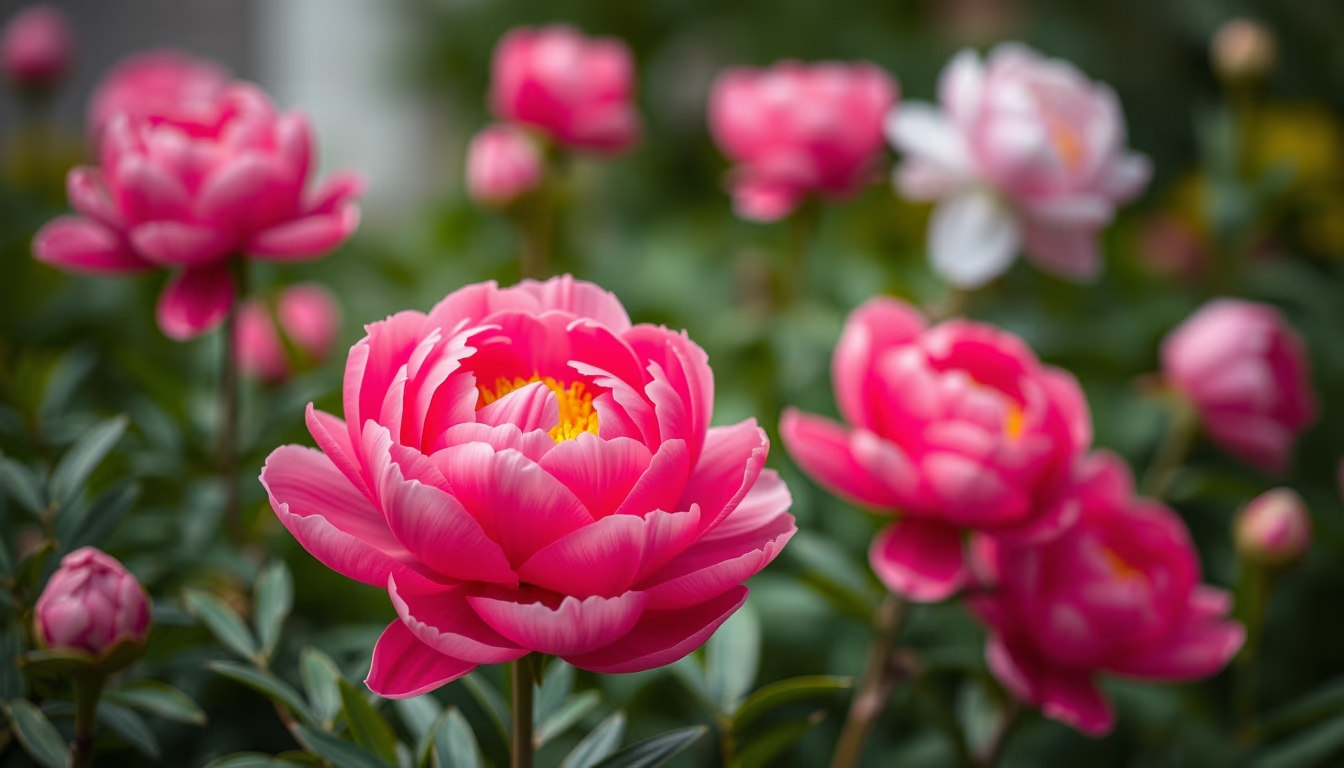
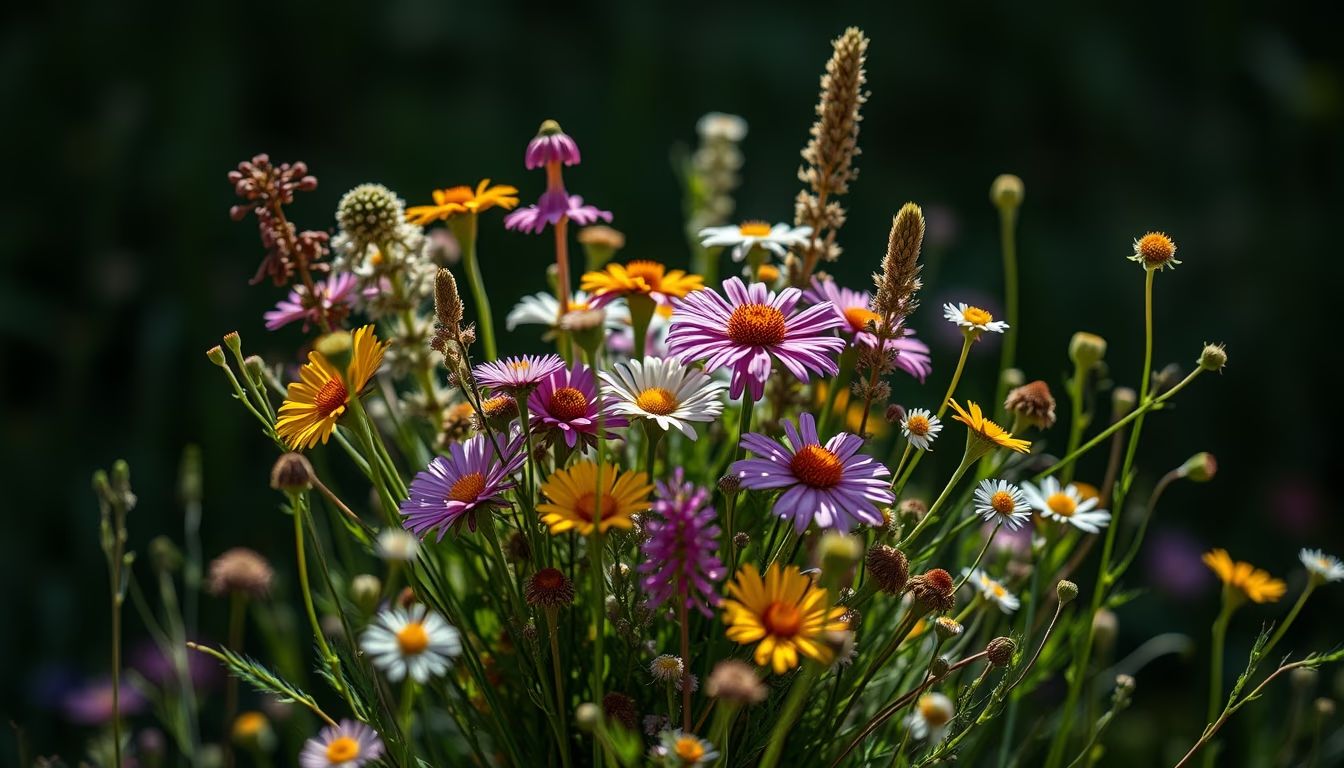
Ikebana japanese arrangement
1344×768 · AVIF · CC BY 4.0
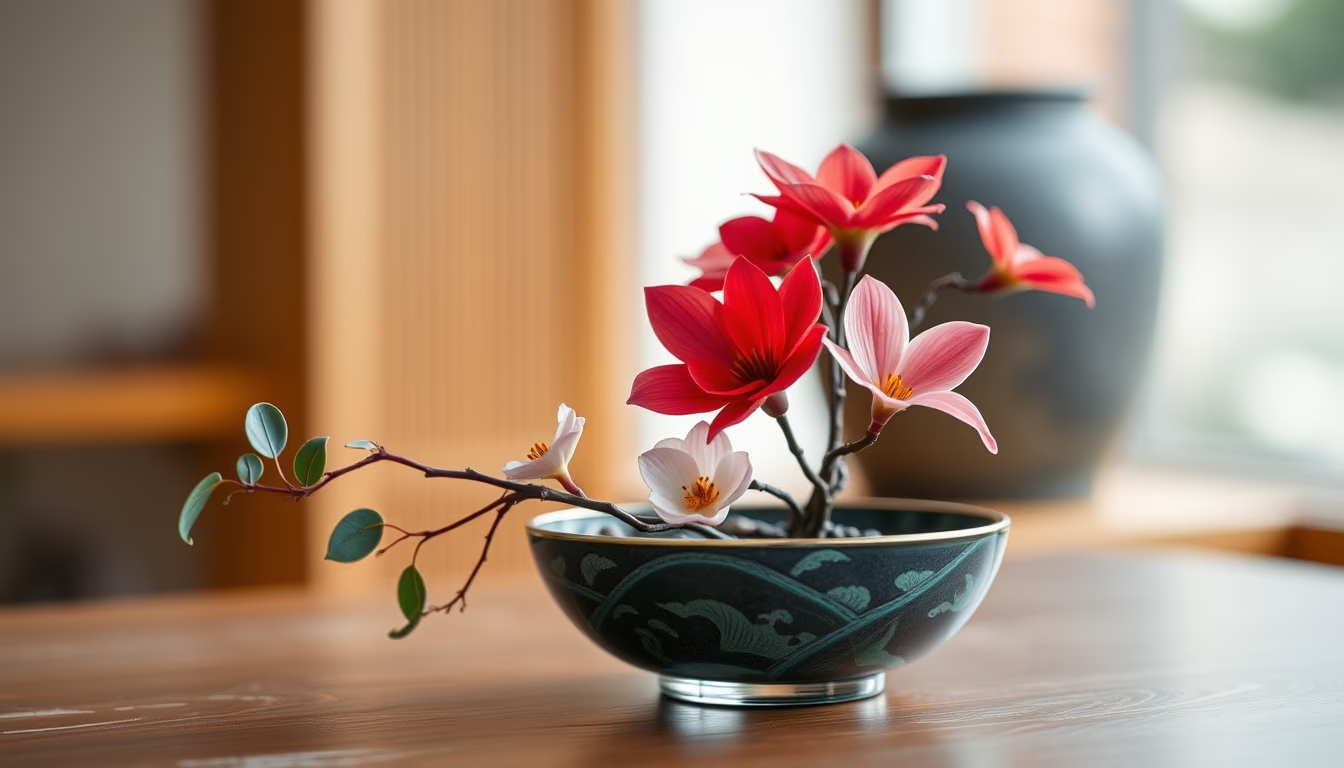
Discover the ancient art of Ikebana, Japanese flower arrangement that transforms blooms into aesthetic and spiritual expression.
About this subject
Ikebana, also known as Kado (the way of flowers), is the Japanese art of flower arrangement that originated in the 6th century, when floral offerings were placed in Buddhist temples. Unlike Western arrangements, which emphasize abundance and symmetry, Ikebana values line, empty space, and asymmetry. Each element carries meaning: branches represent heaven, man, and earth, in a minimalist composition that seeks to capture the essence of nature.
Hundreds of Ikebana schools exist, with the main ones being Ikenobo (the oldest, founded in the 15th century), Sogetsu (modern and free-style), and Ohara (which emphasizes miniature landscapes). The practice demands technical skill, such as specific angled cuts and the use of holders called kenzan (frog pins). Plant selection follows the seasons: cherry branches in spring, maple leaves in autumn, always respecting the natural form of the materials.
Beyond aesthetics, Ikebana is a meditative discipline that cultivates patience and mindfulness. In Japan, it commonly appears in tea ceremonies, festivals, and as decoration in traditional alcoves (tokonoma). Today, Ikebana has spread globally, practiced in cultural centers and international competitions, adapting to contemporary styles while preserving its philosophical roots.
Frequently Asked Questions
What is the difference between Ikebana and Western flower arrangements?
Western arrangements focus on symmetry and vivid colors, while Ikebana emphasizes asymmetry, lines, empty spaces, and seasonal plants, with a strong philosophical and meditative component.
What materials are used in Ikebana?
Besides flowers, branches, leaves, fruits, seeds are used, and in some styles non-plant elements like rocks and metals. Arrangements are fixed on kenzan (frog pins) or ceramic holders.
Is formal training necessary to practice Ikebana?
It is not required, but formal training in schools like Ikenobo or Sogetsu helps understand classical principles. Many practitioners study for years to earn master certifications.
Direct URL
https://pub-c7d6a6ea828543ac903a74a341ccb2e1.r2.dev/imagens/ikebana-japanese-arrangement-tilt-shift-miniature-fresh0.avifHow to credit
Include a visible link back to UtilizAí. Copy one of the snippets below:
<a href="https://xn--utiliza-eza.com/en/midia/imagens/ikebana-japanese-arrangement-tilt-shift-miniature-fresh0">Ikebana japanese arrangement</a> by <a href="https://xn--utiliza-eza.com">UtilizAí</a>, licensed under <a href="https://creativecommons.org/licenses/by/4.0/">CC BY 4.0</a>.
[Ikebana japanese arrangement](https://xn--utiliza-eza.com/en/midia/imagens/ikebana-japanese-arrangement-tilt-shift-miniature-fresh0) by [UtilizAí](https://xn--utiliza-eza.com), CC BY 4.0
License: CC-BY-4.0