Ikebana japanese arrangement
1344×768 · AVIF · CC BY 4.0
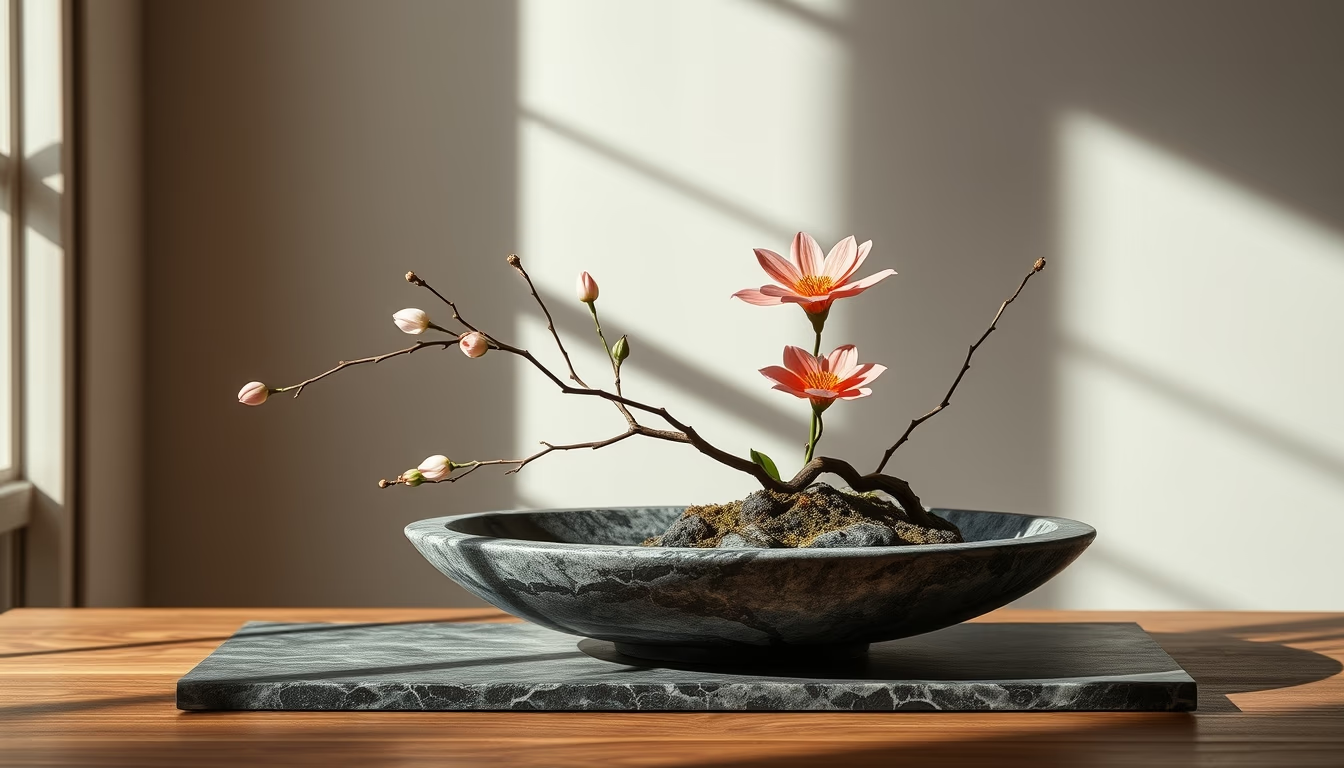
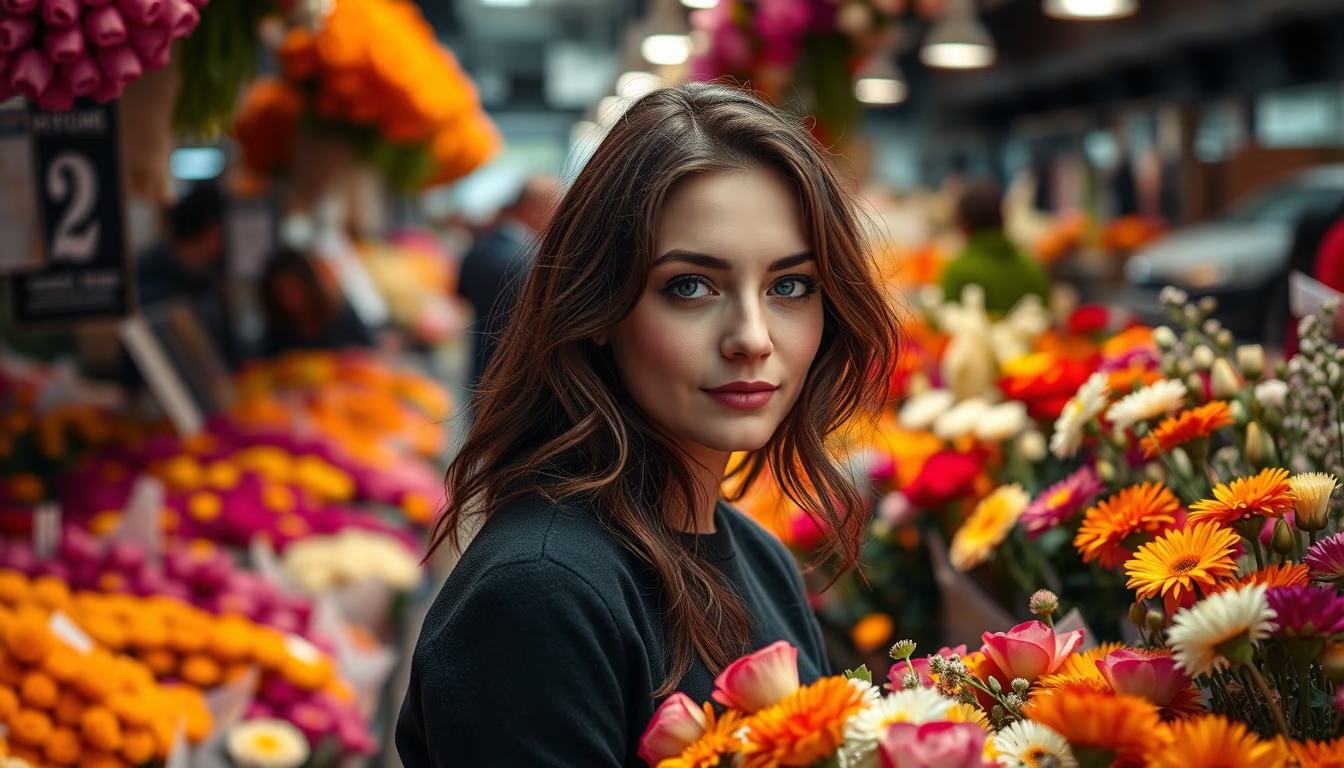
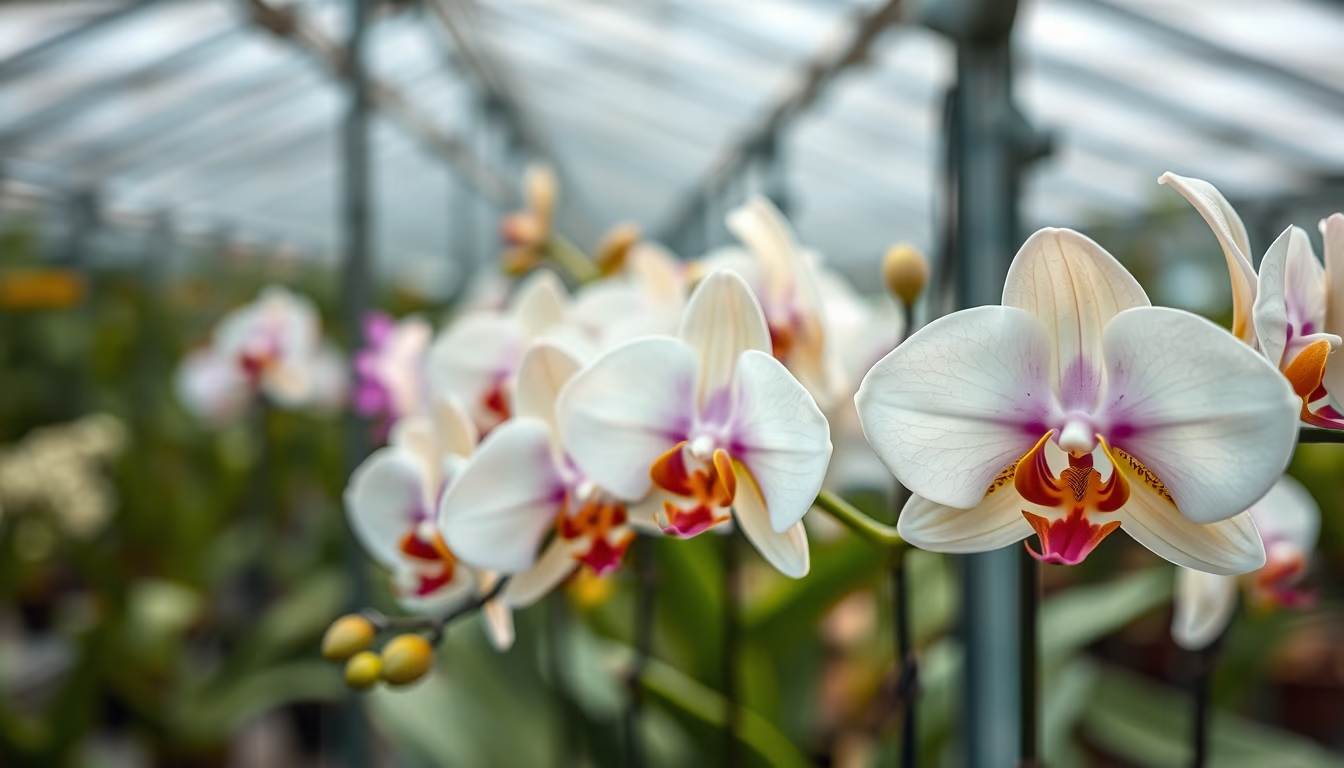
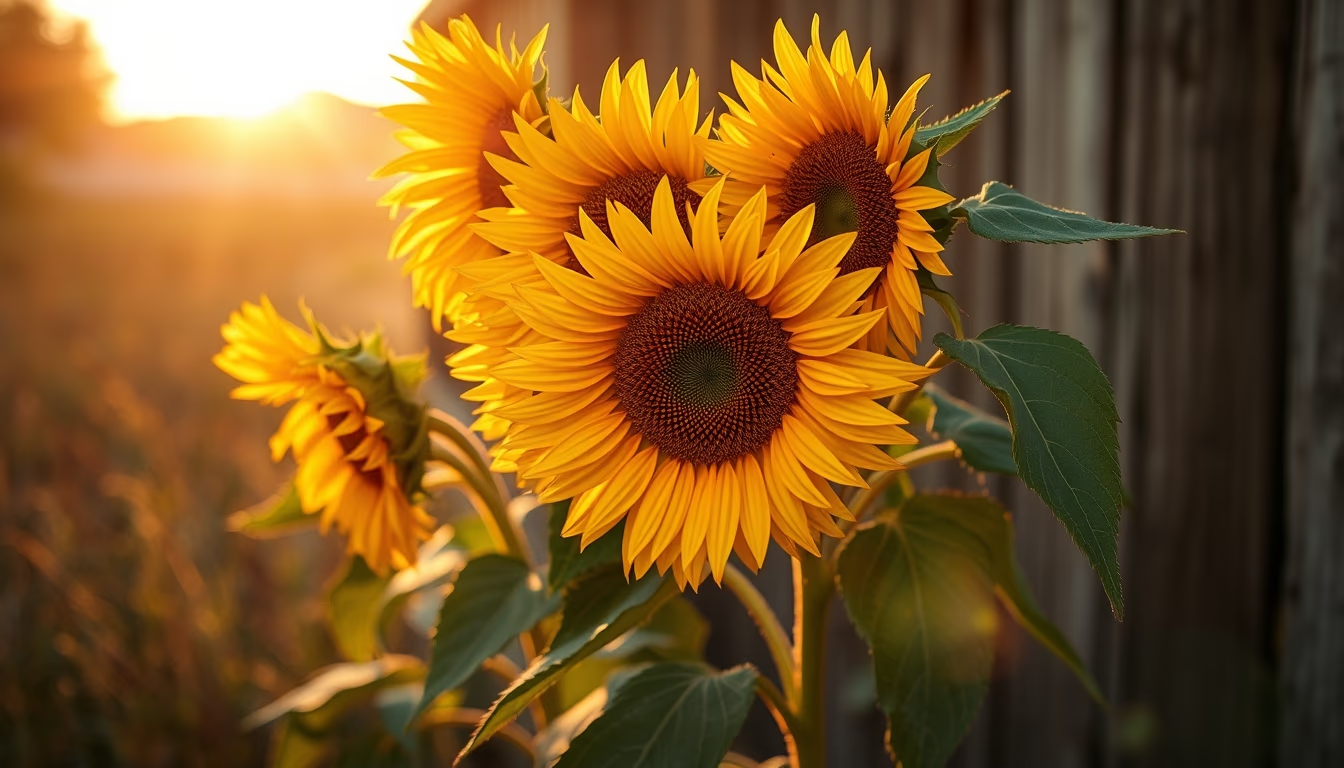
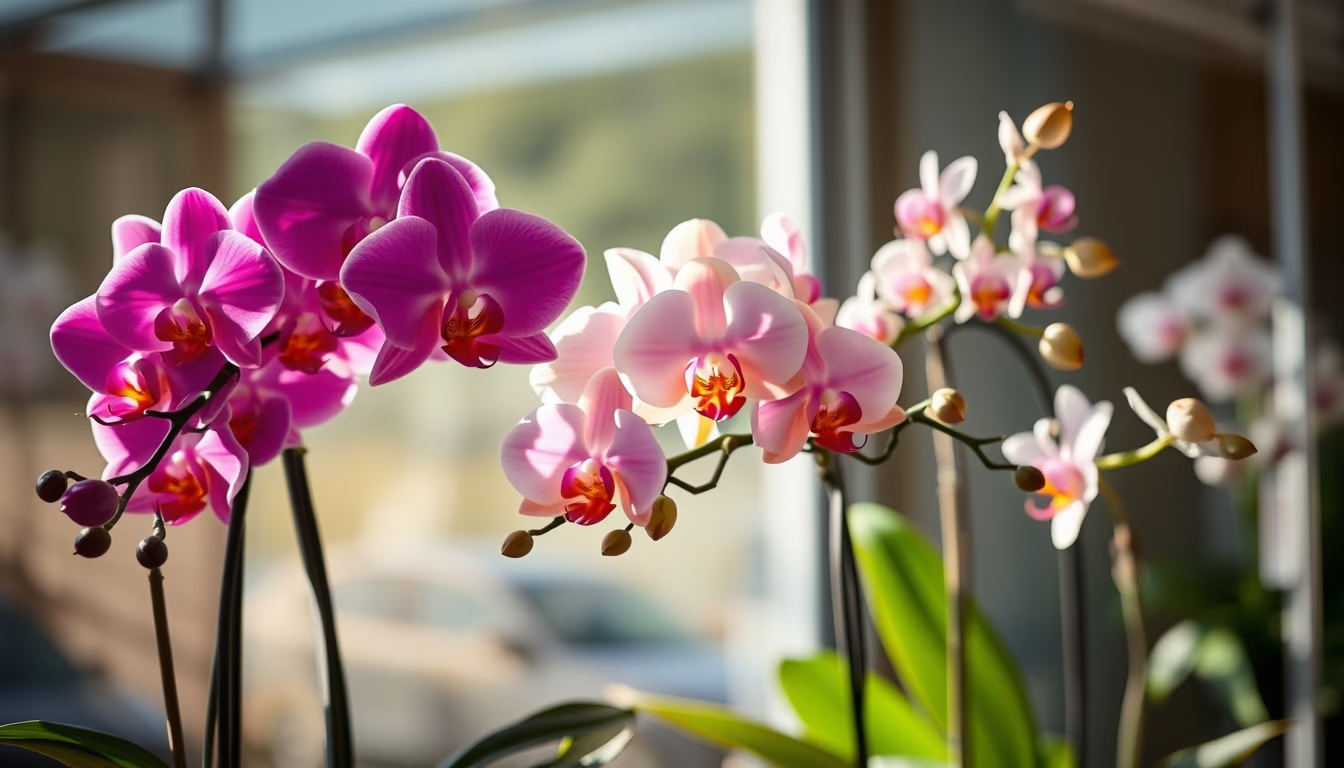
Ikebana is the Japanese art of flower arrangement, combining minimalism, symbolism, and harmony with nature.
About this subject
Ikebana, also known as kado (the way of flowers), is a centuries-old Japanese practice that transforms the arrangement of flowers, branches, and leaves into an artistic and spiritual expression. Originating from Buddhist floral offerings in the 6th century, the technique evolved into a refined art form during the Heian period (794-1185) and was consolidated by the Ikenobo school in the 15th century. Unlike Western arrangements that seek exuberance and symmetry, ikebana values emptiness (ma) and asymmetry, creating compositions that reflect the cycle of life and the passage of time.
Each element in an ikebana arrangement carries meaning. Tall stems represent heaven (shin), medium ones humanity (soe), and low ones earth (tai). The choice of flowers and their positions are carefully studied to convey seasons, emotions, or philosophical concepts. For example, pine branches symbolize longevity, while chrysanthemums represent royalty. The most well-known schools are Ikenobo, Ohara, Sogetsu, and Koeko, each with its own style: Ikenobo is the most traditional and vertical, Ohara uses landscapes in shallow containers, Sogetsu allows greater creative freedom, and Koeko focuses on color.
Today, ikebana is practiced worldwide as a hobby and meditative discipline. In Brazil, there are associations affiliated with major Japanese schools, notably in Rio de Janeiro and São Paulo, where Japanese immigrants spread the art. Japanese floral arrangement has influenced interior design, architecture, and even contemporary art, and is recognized by UNESCO as an Intangible Cultural Heritage of Japan. A typical arrangement uses few species, precise angles, and a container that enhances the composition, often a rustic ceramic vase.
Frequently Asked Questions
What is the difference between ikebana and Western flower arrangement?
Ikebana emphasizes minimalism, asymmetry, and empty space (ma), while Western arrangement seeks symmetry and exuberance. Ikebana also has strong spiritual and symbolic roots, representing concepts like heaven, humanity, and earth.
What are the main schools of ikebana?
The main schools are Ikenobo (oldest, vertical style), Ohara (landscapes in shallow containers), Sogetsu (creative freedom), and Koeko (focus on color). Each has its own techniques and philosophies.
Can I practice ikebana in Brazil?
Yes. There are associations and courses in several cities, especially in São Paulo and Rio de Janeiro, affiliated with Japanese schools. Materials such as flowers and branches can be adapted with local species.
Direct URL
https://pub-c7d6a6ea828543ac903a74a341ccb2e1.r2.dev/imagens/ikebana-japanese-arrangement-magazine-editorial-fresh9.avifHow to credit
Include a visible link back to UtilizAí. Copy one of the snippets below:
<a href="https://xn--utiliza-eza.com/en/midia/imagens/ikebana-japanese-arrangement-magazine-editorial-fresh9">Ikebana japanese arrangement</a> by <a href="https://xn--utiliza-eza.com">UtilizAí</a>, licensed under <a href="https://creativecommons.org/licenses/by/4.0/">CC BY 4.0</a>.
[Ikebana japanese arrangement](https://xn--utiliza-eza.com/en/midia/imagens/ikebana-japanese-arrangement-magazine-editorial-fresh9) by [UtilizAí](https://xn--utiliza-eza.com), CC BY 4.0
License: CC-BY-4.0