Ikebana japanese arrangement
1344×768 · AVIF · CC BY 4.0
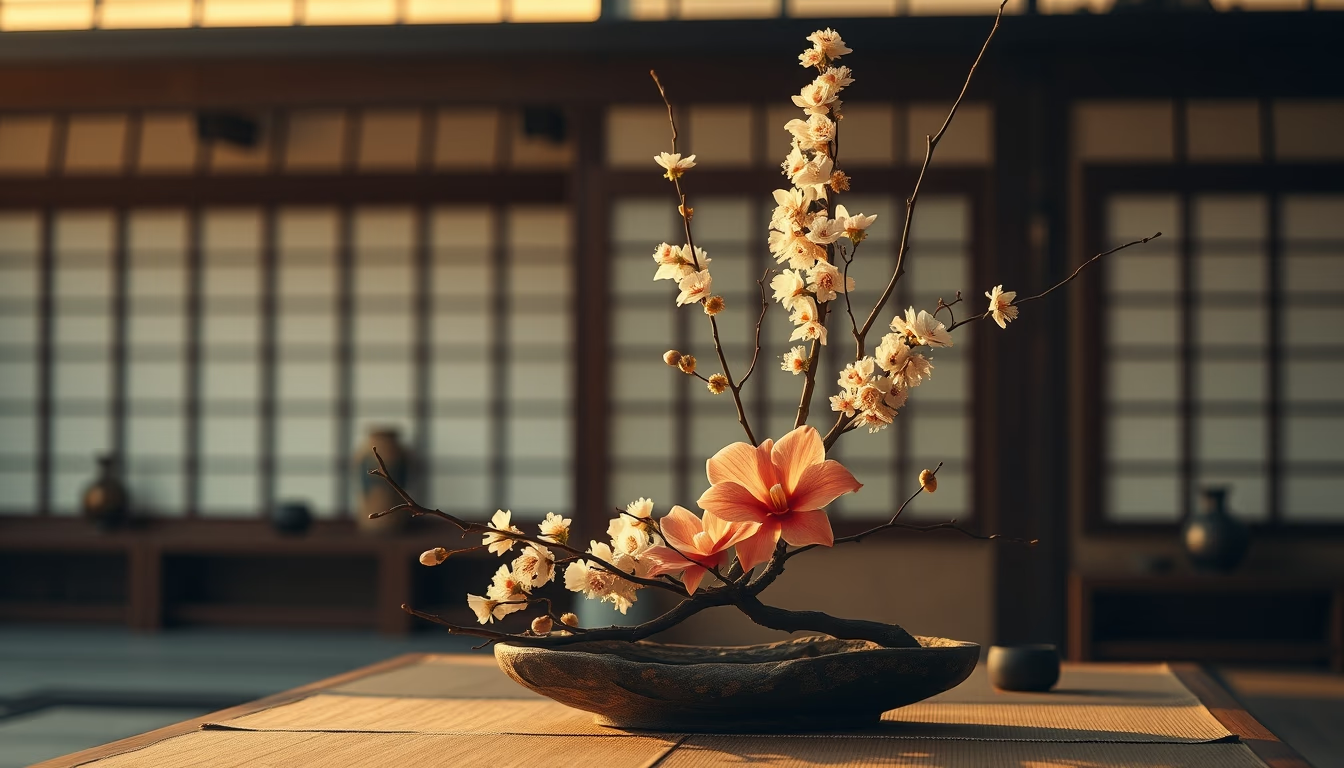
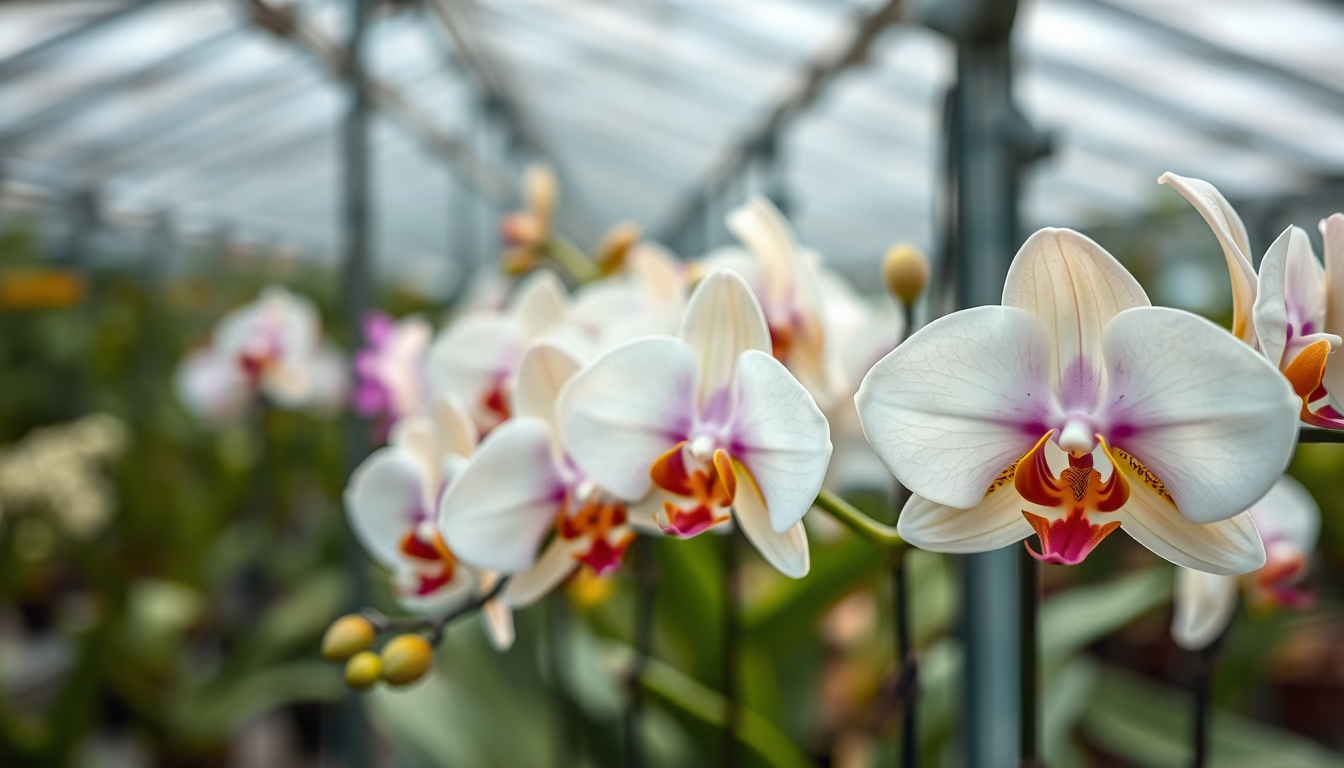
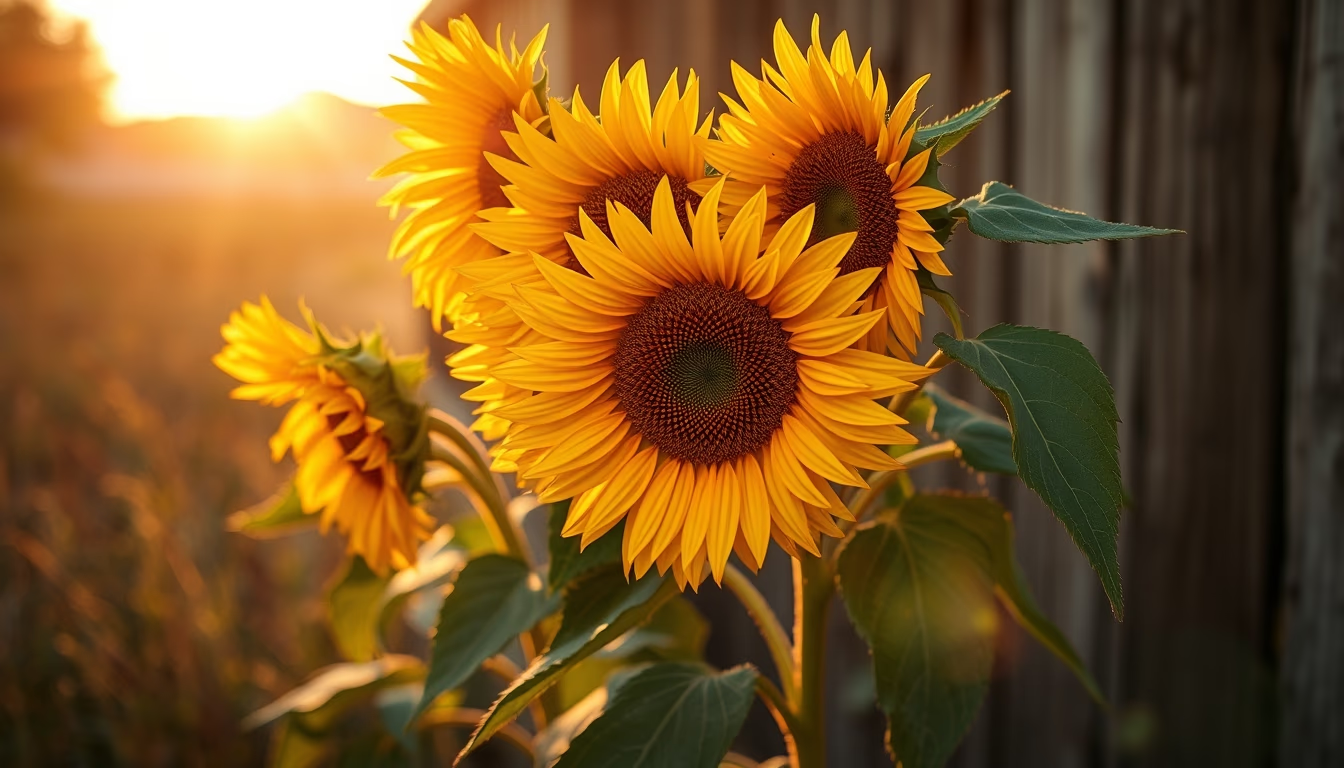
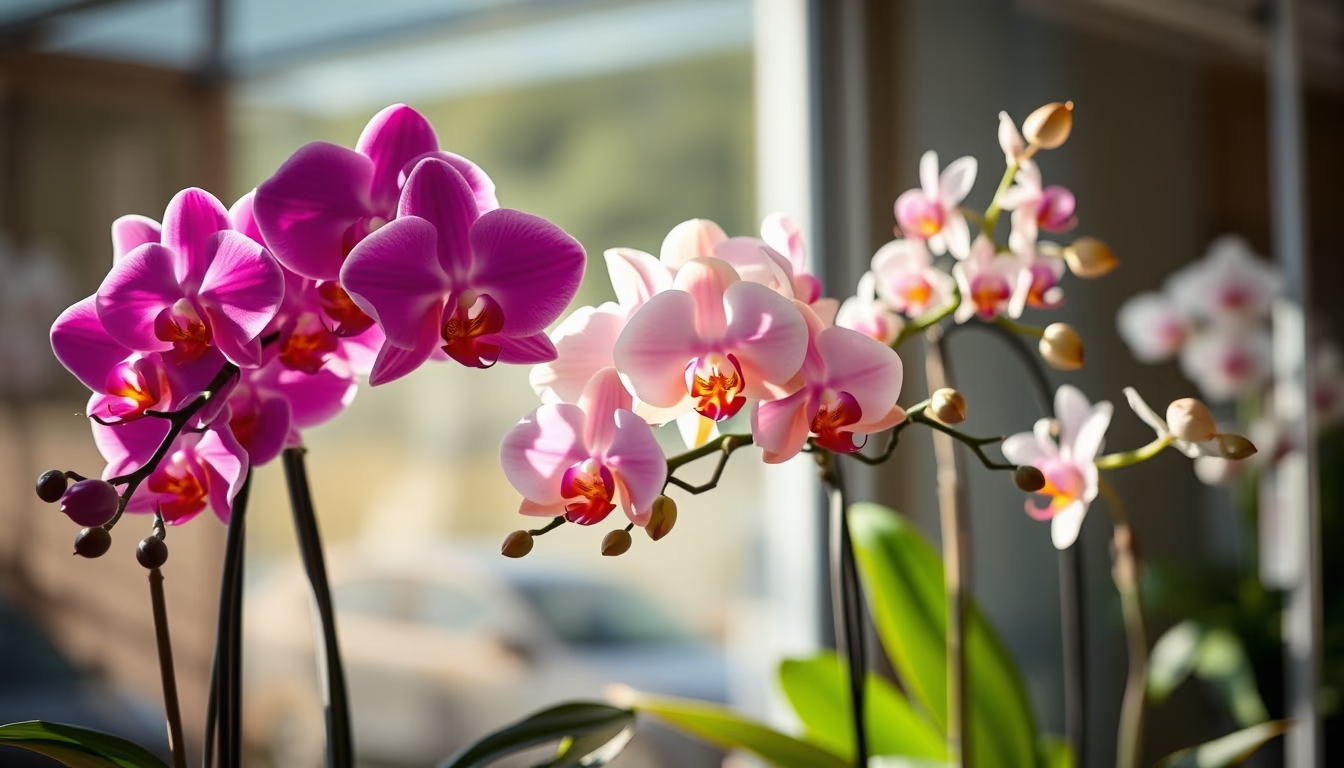
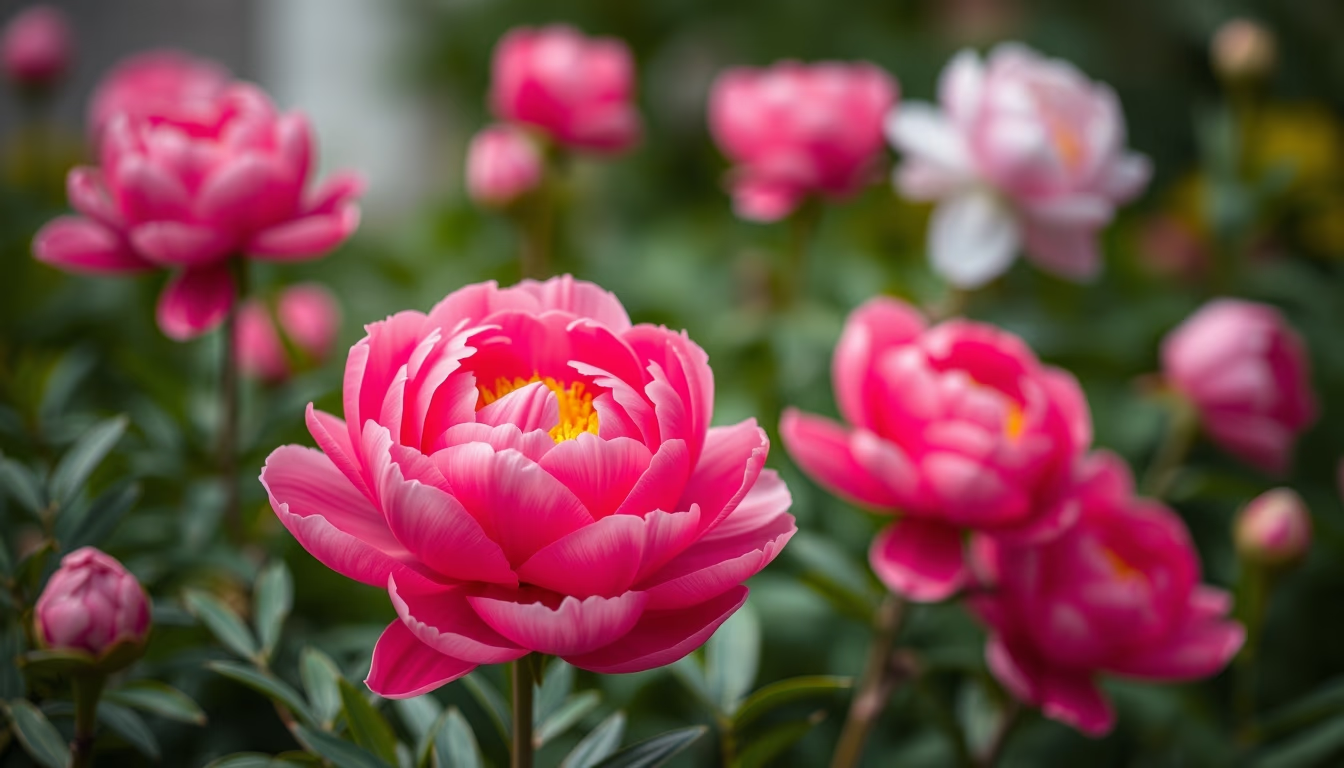
Ikebana is the Japanese art of flower arrangement, known for its minimalist aesthetic and symbolism. Explore its history, principles, and cultural influence.
About this subject
Ikebana, also known as kado (the way of flowers), is a traditional Japanese art form that goes beyond simply arranging flowers. Originating in the 6th century with the introduction of Buddhism to Japan, it initially served as floral offerings on Buddhist altars. Over time, it evolved into a form of artistic expression, with the first formal schools emerging in the Muromachi period (1336-1573), such as the Ikenobo school, considered the oldest.
The principles of Ikebana differ significantly from Western flower arrangements. While the West values symmetry and volume, Ikebana emphasizes asymmetry, the use of empty space (ma), line, and harmony between elements. The basic structure involves three main stems: shin (heaven), soe (human), and hikae (earth), representing the balance between the divine, human, and natural. Each stem has specific angles and lengths, creating a dynamic and symbolic composition.
There are several schools of Ikebana, each with its own rules and styles. The Ikenobo school is the most traditional, focusing on tall, formal arrangements. The Ohara school, founded in the 19th century, introduced the use of natural plants and landscapes in shallow containers. The Sogetsu school, created in the 20th century, is more free and contemporary, allowing the use of non-traditional materials like metal and plastic. Ikebana is not just a decorative activity but a meditative practice that cultivates patience, attention to detail, and connection with nature.
Interestingly, Ikebana has influenced other art forms, such as architecture and interior design, particularly in the concept of minimalism. In Japan, Ikebana lessons are common in schools and cultural centers, and the practice is considered an essential skill for character development. Today, Ikebana is practiced worldwide, with competitions and exhibitions celebrating its rich tradition.
Frequently Asked Questions
What is the difference between Ikebana and Western flower arrangements?
Ikebana emphasizes asymmetry, empty space (ma), and symbolic stems (shin, soe, hikae), while Western arrangements prioritize symmetry, volume, and vibrant colors. The Japanese practice is more minimalist and meditative.
What do the three main elements in Ikebana represent?
The three main stems represent: shin (heaven, the tallest), soe (human, the middle), and hikae (earth, the lowest). They symbolize balance among the divine, human, and natural realms.
What are the main schools of Ikebana?
The best-known schools are Ikenobo (traditional and formal), Ohara (focus on landscapes and shallow containers), and Sogetsu (modern and experimental). Each has specific compositional rules.
Direct URL
https://pub-c7d6a6ea828543ac903a74a341ccb2e1.r2.dev/imagens/ikebana-japanese-arrangement-cinematic-wide-shot-fresh3.avifHow to credit
Include a visible link back to UtilizAí. Copy one of the snippets below:
<a href="https://xn--utiliza-eza.com/en/midia/imagens/ikebana-japanese-arrangement-cinematic-wide-shot-fresh3">Ikebana japanese arrangement</a> by <a href="https://xn--utiliza-eza.com">UtilizAí</a>, licensed under <a href="https://creativecommons.org/licenses/by/4.0/">CC BY 4.0</a>.
[Ikebana japanese arrangement](https://xn--utiliza-eza.com/en/midia/imagens/ikebana-japanese-arrangement-cinematic-wide-shot-fresh3) by [UtilizAí](https://xn--utiliza-eza.com), CC BY 4.0
License: CC-BY-4.0