Iceberg breaking calving
1344×768 · AVIF · CC BY 4.0
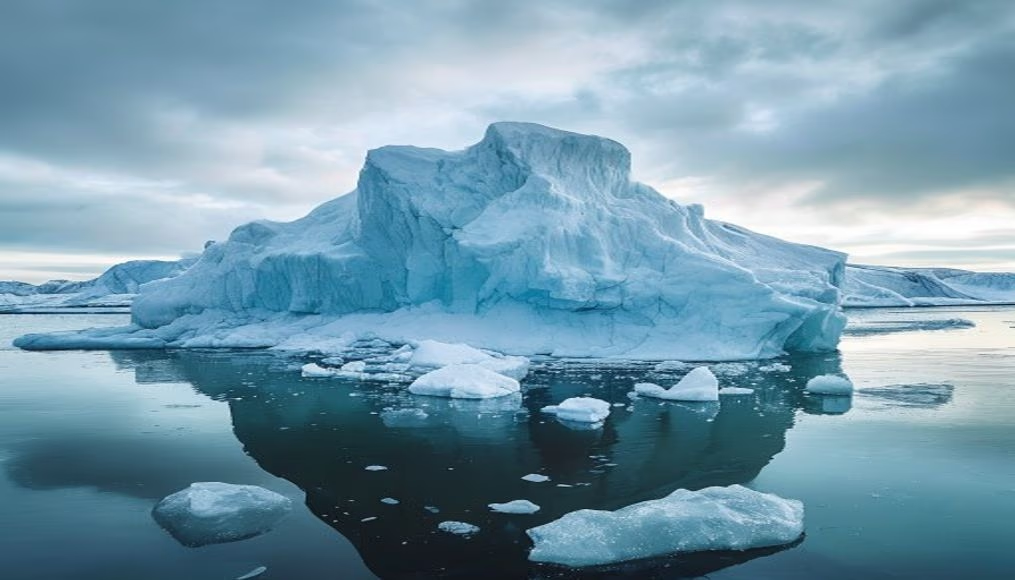
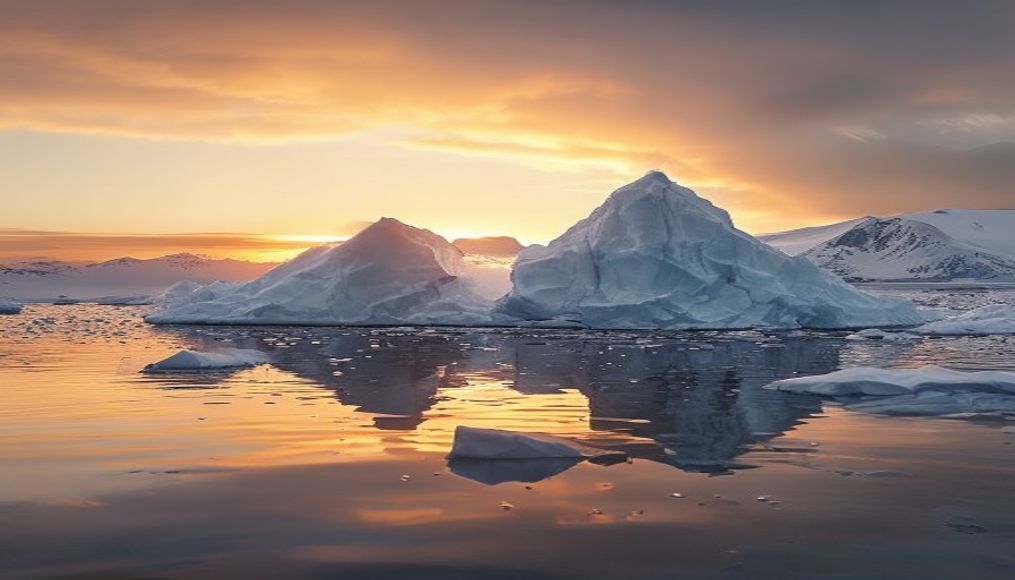
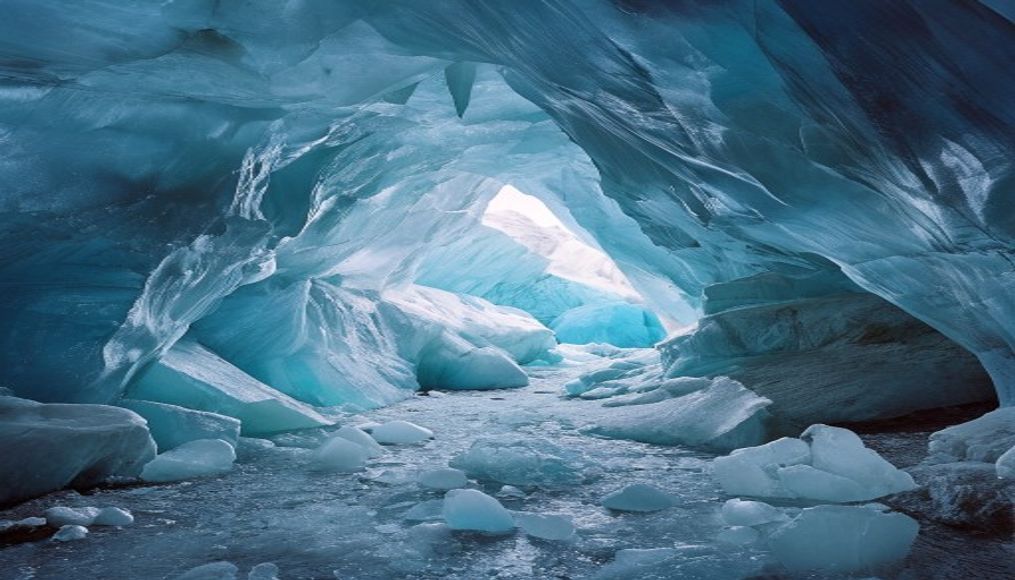
Iceberg calving is a natural process where chunks of ice break off from glaciers or ice shelves, often creating dramatic events and influencing sea level rise.
About this subject
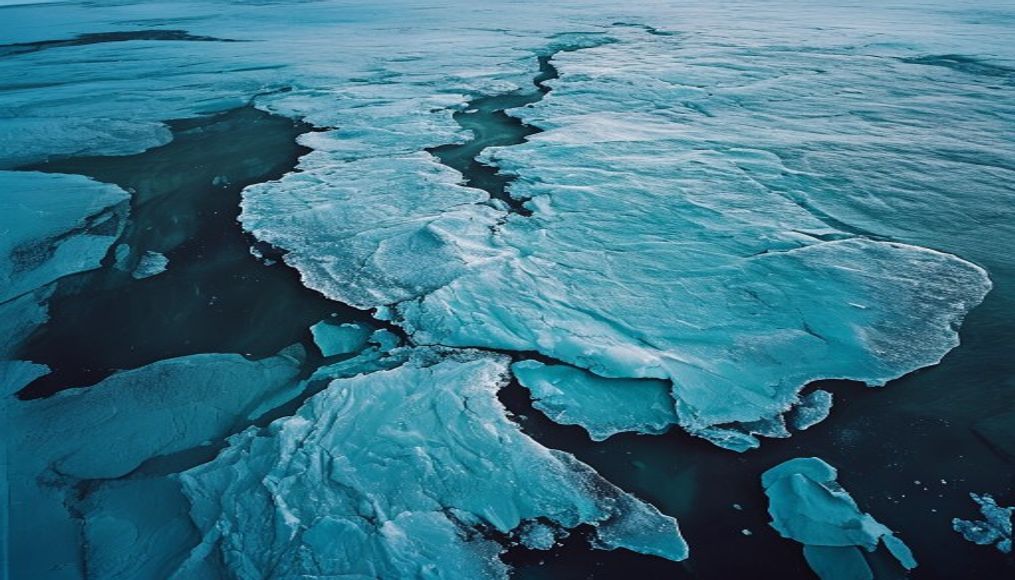
Calving is a fundamental process in glacier dynamics, occurring when blocks of ice break off from the edge of a glacier or ice shelf, forming icebergs. This process is driven by forces such as gravity, basal melting, and hydrostatic pressure, along with climatic factors like rising ocean and atmospheric temperatures. Regions such as Greenland and Antarctica are frequent sites of calving, with events that can produce icebergs the size of entire cities. For instance, the iceberg that broke off from the Larsen C ice shelf in Antarctica in 2017 covered about 5,800 km², comparable to the Brazilian state of Alagoas.
Calving is not just a visual spectacle; it has direct implications for sea level rise. When floating ice shelves calve, they do not raise water levels, but the collapse of glaciers resting on the continental bedrock can accelerate ice flow into the ocean, contributing to sea level rise. Scientists constantly monitor these events using satellites like the Copernicus Sentinel missions and field studies to understand how climate change is altering the frequency and magnitude of calving.
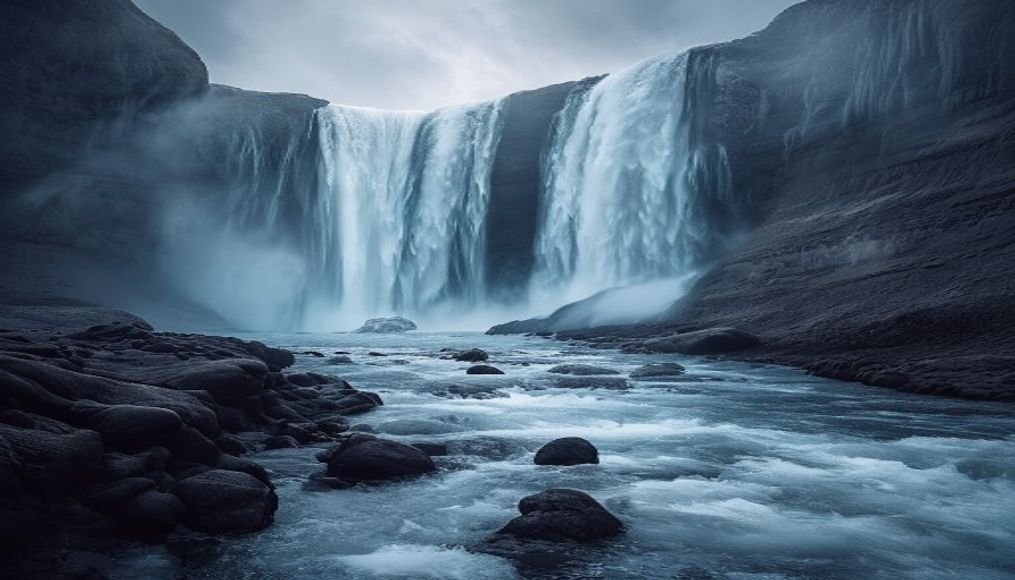
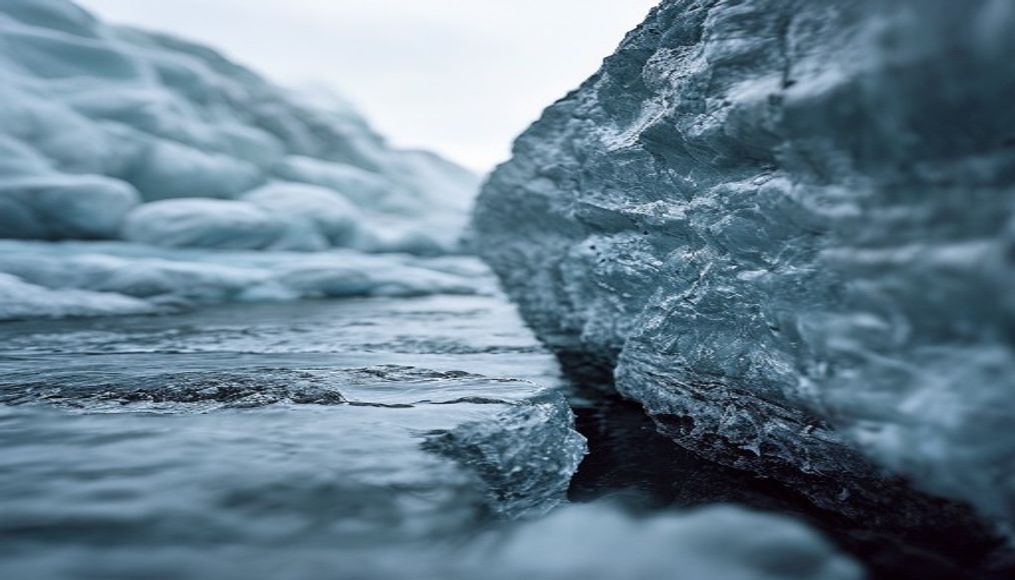
Culturally, calving has fascinated explorers and photographers, being a recurring theme in nature documentaries produced by outlets such as the BBC or National Geographic. Documentary photography of calving seeks to capture not only the grandeur of the moment but also the texture of the ice, the shades of blue, and the contrast with the ocean. These images help raise awareness about how quickly glaciers are retreating in many parts of the world, especially in the Arctic, where warming occurs faster than the global average.
Interestingly, the term "calving" comes from Old English, associated with the birth of calves, alluding to the birth of a new iceberg. This process also generates detectable seismic vibrations known as "icequakes" and can cause local waves that affect navigation. In locations such as Disko Bay in Greenland, calving is a tourist attraction, but requires a safe distance due to the risk of waves and submerged ice explosions.
Frequently Asked Questions
What causes iceberg calving?
Iceberg calving is caused by a combination of forces such as gravity, basal melting, water pressure, and climatic factors like rising ocean and air temperatures that weaken the ice.
Does calving contribute to sea level rise?
Indirectly, yes. When glaciers resting on land lose ice through calving, the flow of ice into the ocean accelerates, contributing to sea level rise. Calving from floating ice shelves does not raise sea levels because the ice was already displacing water.
Where can I observe iceberg calving?
The most famous locations include Greenland (e.g., Disko Bay) and Antarctica (e.g., the Antarctic Peninsula). It also occurs in Alaska and the Canadian Arctic. Safe observation is usually done from boats or viewing platforms.
Direct URL
https://pub-c7d6a6ea828543ac903a74a341ccb2e1.r2.dev/imagens/iceberg-breaking-calving-documentary-photography-p3.avifHow to credit
Include a visible link back to UtilizAí. Copy one of the snippets below:
<a href="https://xn--utiliza-eza.com/en/midia/imagens/iceberg-breaking-calving-documentary-photography-p3">Iceberg breaking calving</a> by <a href="https://xn--utiliza-eza.com">UtilizAí</a>, licensed under <a href="https://creativecommons.org/licenses/by/4.0/">CC BY 4.0</a>.
[Iceberg breaking calving](https://xn--utiliza-eza.com/en/midia/imagens/iceberg-breaking-calving-documentary-photography-p3) by [UtilizAí](https://xn--utiliza-eza.com), CC BY 4.0
License: CC-BY-4.0