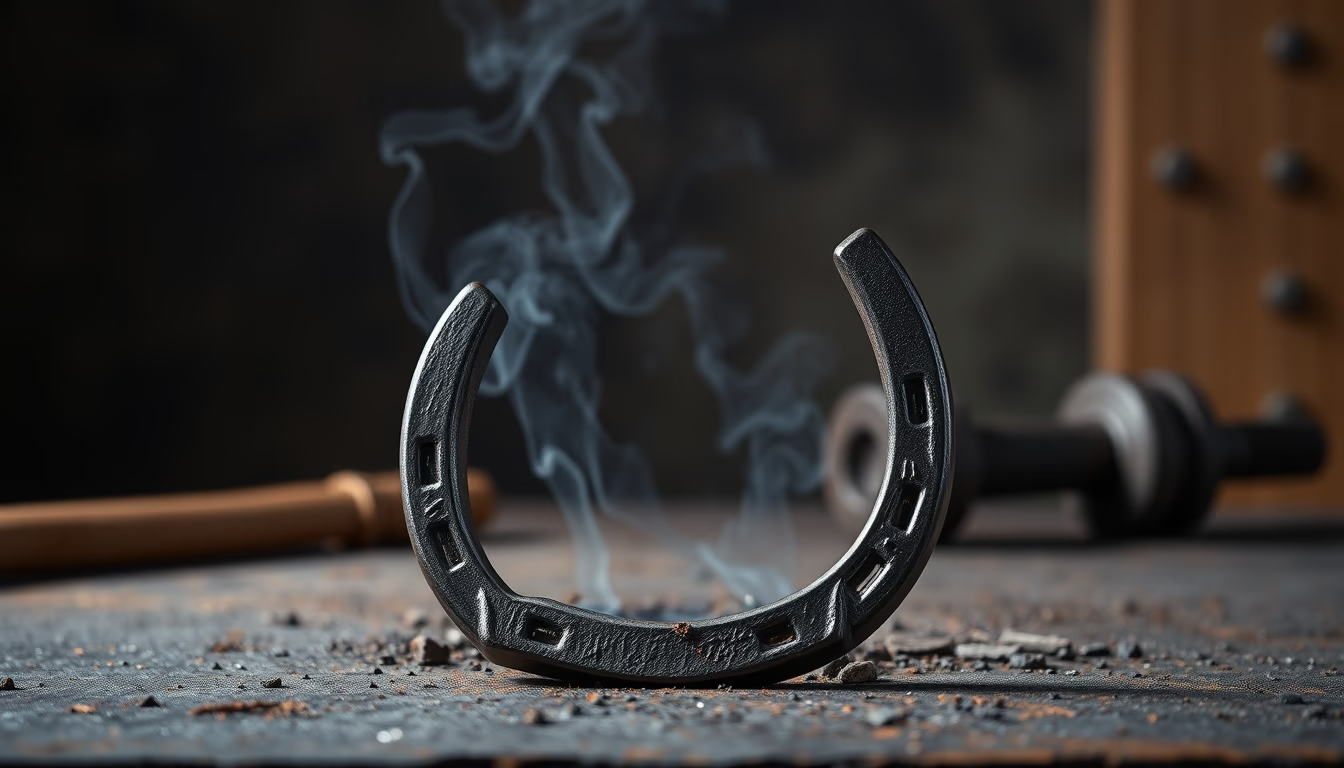
Horseshoe iron forge
1344×768 · AVIF · CC BY 4.0
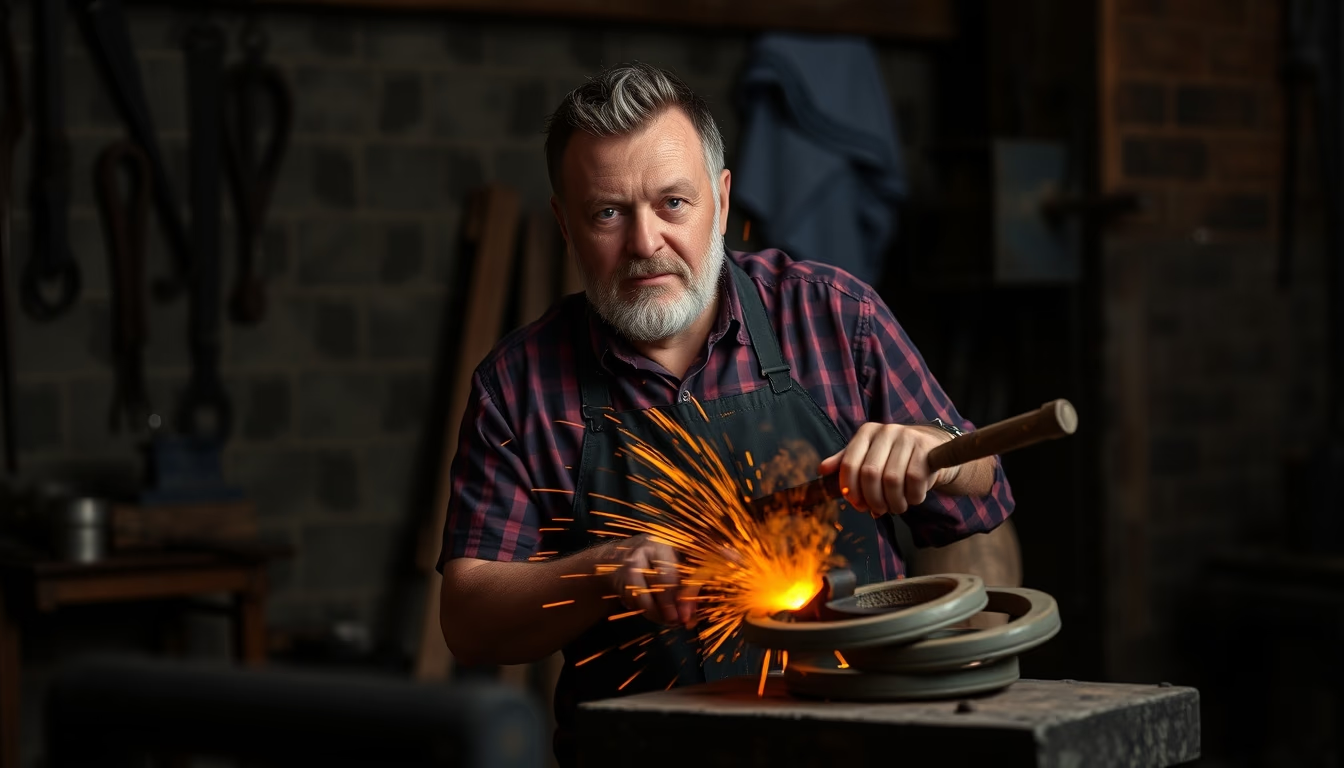
A horseshoe iron forge is a traditional tool used by blacksmiths to shape steel and create horseshoes for horses, an essential part of equestrian culture for centuries.
About this subject
A horseshoe iron forge is a device that heats metal to high temperatures, allowing a blacksmith to shape steel with a hammer and anvil. The process begins by heating a steel bar in the forge, which can be powered by coal, gas, or electricity. When the metal reaches the proper temperature, it is hammered on the anvil to form the curved shape of the horseshoe, with holes for the nails that attach the iron to the horse's hoof. Temperature control is crucial to prevent the steel from becoming brittle or losing strength.
Historically, the use of horseshoes dates back to ancient Rome, though primitive hoof protection existed earlier. Metal horseshoes became common in medieval Europe, protecting hooves from wear on stone roads and extending the working life of horses. Blacksmiths specializing in horseshoes, called farriers, were respected artisans in their communities. The horseshoe also gained cultural significance as a symbol of good luck, often hung above doorways.
In Brazil, the horseshoe forge is tied to the gaucho tradition, especially in the South, Center-West, and Northeast regions, where horses are used in rural work, on farms, in vaquejadas (rodeos), and on long rides. Artisan blacksmiths still produce custom horseshoes according to the type of activity and the horse's hoof shape. There are different types of horseshoes: traction shoes for heavy work, lighter racing shoes, and orthopedic shoes for gait correction. The manual forging technique is passed down through generations, preserving this centuries-old craft.
Frequently Asked Questions
How does a horseshoe forge work?
The forge heats metal to high temperatures, usually above 1000 °C. The blacksmith inserts the steel bar into the forge until it becomes incandescent, then hammers it on the anvil to shape the horseshoe curve, punching holes for the nails. The process requires skill to control temperature and avoid damaging the metal.
What is the historical importance of horseshoes?
Horseshoes protect horses' hooves from wear on hard surfaces, enabling their use for work, transport, and warfare. Since ancient Rome, metal horseshoes were essential for the expansion of empires and the development of agriculture and trade.
Are horseshoes still made by hand today?
Yes, in many places, especially rural areas of Brazil, artisan blacksmiths still produce horseshoes manually. This allows custom fitting to the horse's hoof and activity, such as trail rides or rodeos. However, factory-made horseshoes are also common.
Direct URL
https://pub-c7d6a6ea828543ac903a74a341ccb2e1.r2.dev/imagens/horseshoe-iron-forge-studio-editorial-portrait-fresh6.avifHow to credit
Include a visible link back to UtilizAí. Copy one of the snippets below:
<a href="https://xn--utiliza-eza.com/en/midia/imagens/horseshoe-iron-forge-studio-editorial-portrait-fresh6">Horseshoe iron forge</a> by <a href="https://xn--utiliza-eza.com">UtilizAí</a>, licensed under <a href="https://creativecommons.org/licenses/by/4.0/">CC BY 4.0</a>.
[Horseshoe iron forge](https://xn--utiliza-eza.com/en/midia/imagens/horseshoe-iron-forge-studio-editorial-portrait-fresh6) by [UtilizAí](https://xn--utiliza-eza.com), CC BY 4.0
License: CC-BY-4.0