Horseshoe iron forge
1344×768 · AVIF · CC BY 4.0
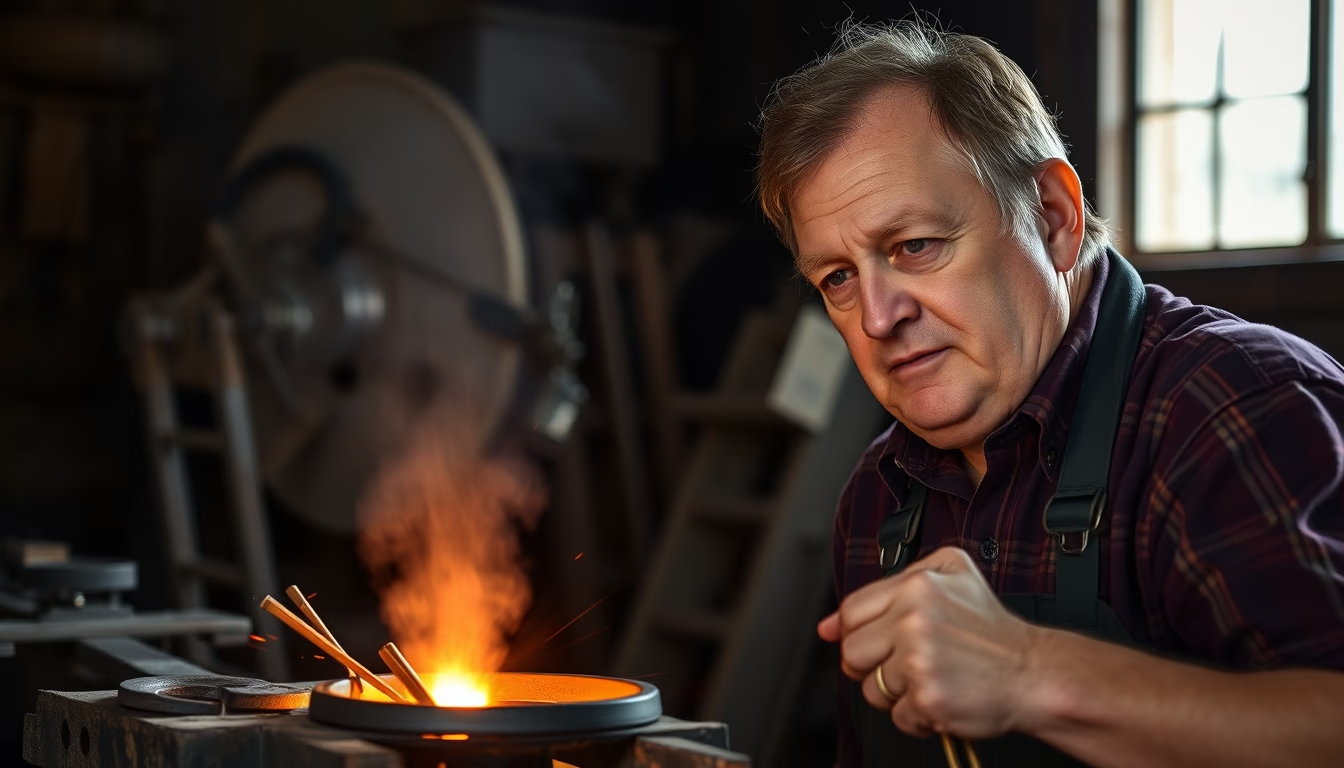
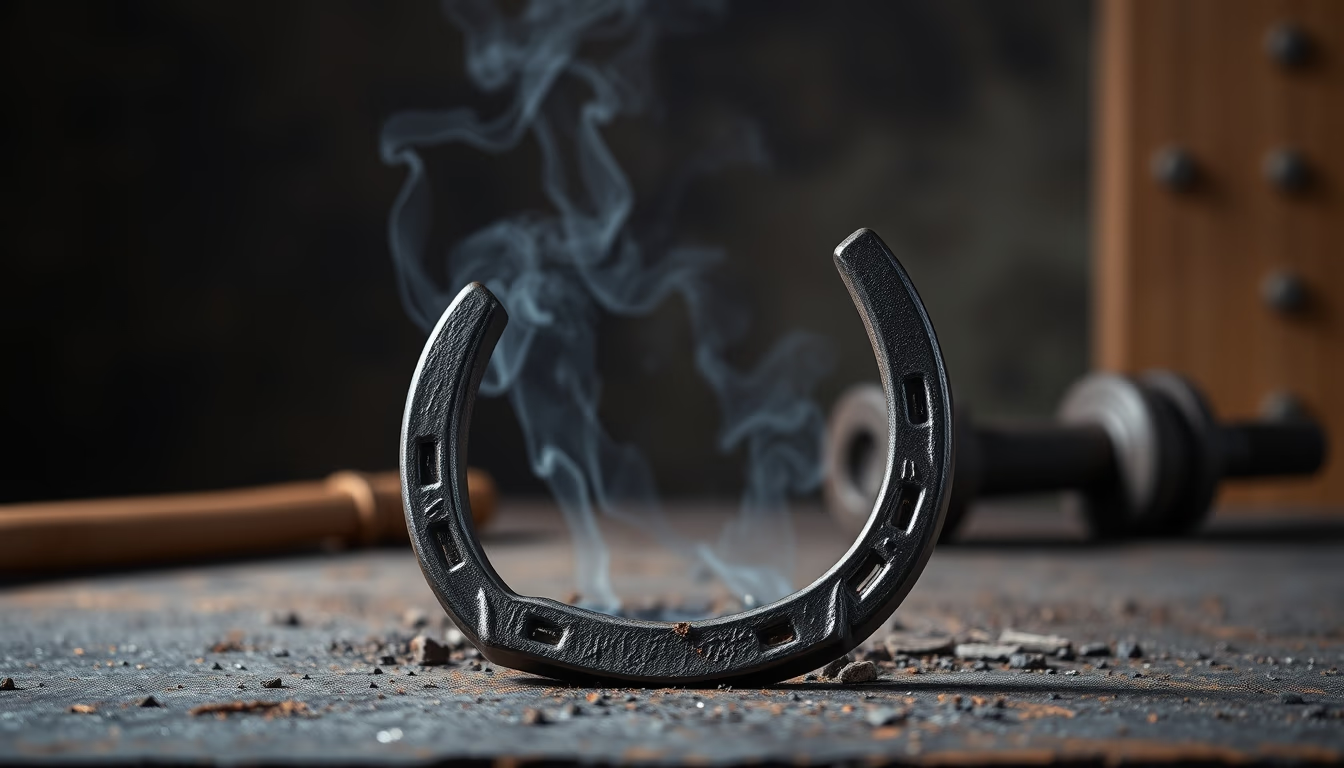
The horseshoe iron forge is an ancient craft combining technique and tradition, essential for horse hoof health.
About this subject
The horseshoe iron forge is a practice dating back to antiquity, with evidence of rudimentary horseshoes found in Celtic and Roman archaeological sites. The process involves heating iron in a forge to high temperatures, typically between 800°C and 1200°C, until the metal becomes malleable enough to be shaped by hammer blows on an anvil. The blacksmith, a specialist known as a farrier, manually creates each horseshoe according to the size and specific needs of the horse's hoof, ensuring a precise fit and comfort for the animal.
In Brazil, forged iron horseshoes gained prominence during the gold rush and the expansion of cattle ranching, as daily handling of horses required hoof protection on rugged terrain. Although industrial horseshoes made of aluminum or steel exist today, many breeders and riders still prefer forged iron for its durability and customization potential. Forging techniques vary by region, with styles such as the rim shoe and fullered shoe offering different traction and support.
The horseshoe forge also holds cultural significance in festivities and gaucho traditions, such as Semana Farroupilha, where demonstrations of traditional farriers take place. Additionally, tools like anvils, hammers, and tongs have specific designs for the work, and proper hoof care combined with well-fitted horseshoes prevents diseases such as laminitis and cracks. Historically, the farrier's craft was so valued that it was part of European medieval guilds, and today it remains a regulated profession in many countries, requiring training and certification.
Frequently Asked Questions
What is the ideal temperature for forging an iron horseshoe?
The ideal temperature for forging an iron horseshoe is between 800°C and 1200°C, when the metal appears red or orange, indicating malleability.
Is a forged iron horseshoe better than an industrial one?
It depends on the need. A forged horseshoe allows for customized fit and greater durability, while an industrial one is lighter and cheaper. Horses with hoof problems often benefit from forged iron.
Is a farrier necessary to put on iron horseshoes?
Yes. Fitting iron horseshoes requires technical knowledge to avoid hoof damage. The farrier adjusts the shape and fixes them securely with nails.
Direct URL
https://pub-c7d6a6ea828543ac903a74a341ccb2e1.r2.dev/imagens/horseshoe-iron-forge-documentary-photography-fresh4.avifHow to credit
Include a visible link back to UtilizAí. Copy one of the snippets below:
<a href="https://xn--utiliza-eza.com/en/midia/imagens/horseshoe-iron-forge-documentary-photography-fresh4">Horseshoe iron forge</a> by <a href="https://xn--utiliza-eza.com">UtilizAí</a>, licensed under <a href="https://creativecommons.org/licenses/by/4.0/">CC BY 4.0</a>.
[Horseshoe iron forge](https://xn--utiliza-eza.com/en/midia/imagens/horseshoe-iron-forge-documentary-photography-fresh4) by [UtilizAí](https://xn--utiliza-eza.com), CC BY 4.0
License: CC-BY-4.0