Horse saddle leather
1344×768 · AVIF · CC BY 4.0
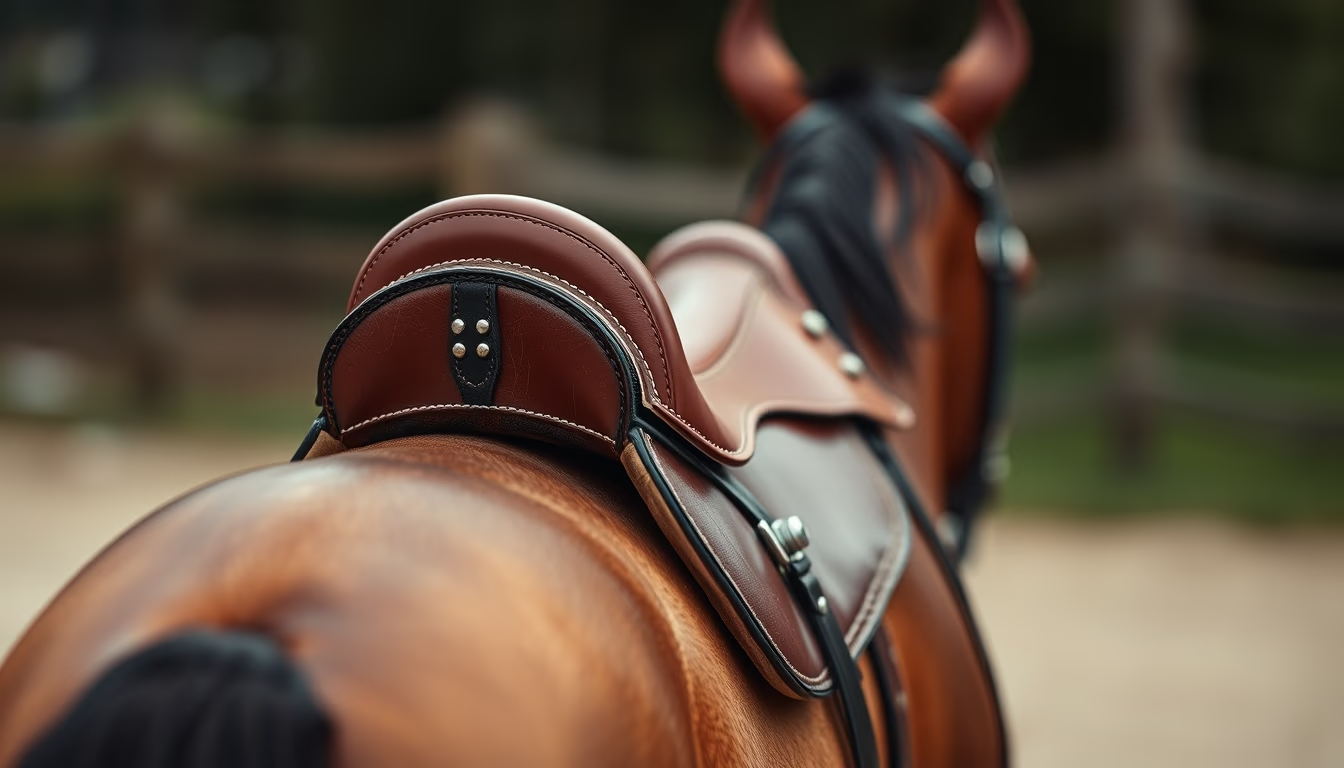
Leather horse saddles: tradition, leather types, and essential care for riding.
About this subject
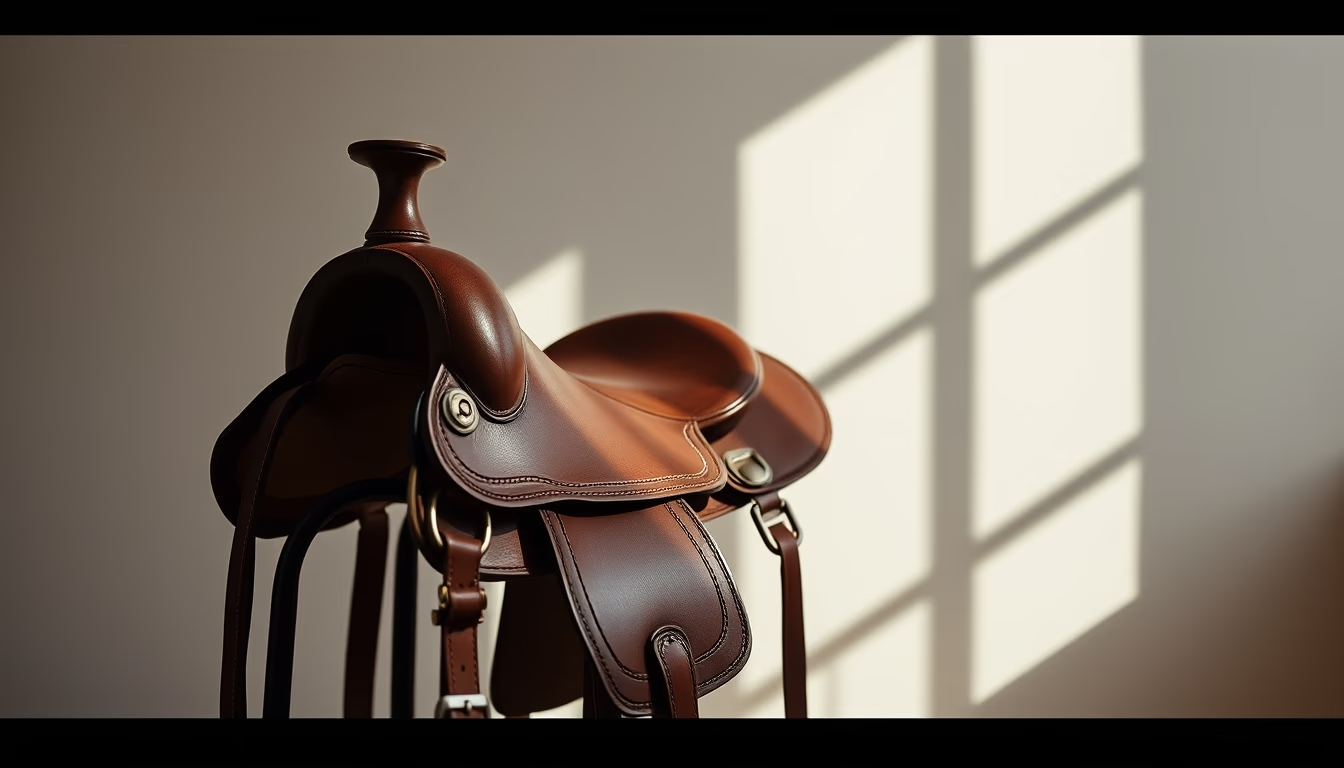
The leather saddle is one of the most iconic pieces of riding equipment, combining functionality and craftsmanship. The leather used in saddles typically comes from cattle, selected for its durability and ability to conform to the horse's and rider's body. Specialized tanneries employ vegetable or chrome tanning processes, with vegetable tanning preferred by traditional artisans for its ability to be carved and tooled. Many leather saddles are produced in regions with strong equestrian traditions, such as southern Brazil, where the gaucho culture values handwork. Quality leather, when properly cared for, can last decades, developing patina and comfort over time.
The history of the leather saddle goes back centuries, with models like the English, Western, and Vaquera saddles. Each has a specific design for different disciplines: jumping, cattle work, or trail riding. Leather dominates because of its tensile strength and comfort, but requires maintenance with mild soap and specific conditioners to prevent drying and cracking. Waterproofing is also critical, especially in humid climates, as water damages leather and can compromise riding safety.
Beyond functionality, leather saddles carry aesthetic and cultural value. Artisans spend hours carving, stitching, and fitting, creating unique pieces. In Brazil, the leather saddle is a symbol of gaucho identity, featured in festivals and parades. The type of leather influences price: softer leathers like vaqueta are common in work saddles, while tooled leather enhances exhibition models. Care practices such as storing in a dry place and using protective covers extend the saddle's life.
Finally, leather saddles require professional fitting to prevent horse injuries. Sweat and heat can accelerate leather wear, so cleaning after each use is recommended. With proper care, a well-made leather saddle becomes a family heirloom, keeping the equestrian tradition alive.
Frequently Asked Questions
What is the best type of leather for horse saddles?
Vegetable-tanned bovine leather is the most traditional and recommended for saddles because it allows tooling, is durable, and molds well. Softer leathers like vaqueta are used for work saddles. Avoid synthetic leather if you want longevity.
How do I clean and maintain a leather saddle?
Use mild soap or saddle soap with a damp cloth, then apply a leather conditioner (oil or cream). Keep away from direct sunlight and store in a dry place. Use waterproofing products to prevent water damage.
How long does a leather saddle last?
With proper care, a quality leather saddle can last 20 to 30 years or more. Lifespan depends on usage, maintenance, and leather type. Well-maintained saddles are often passed down through generations.
Direct URL
https://pub-c7d6a6ea828543ac903a74a341ccb2e1.r2.dev/imagens/horse-saddle-leather-tilt-shift-miniature-fresh4.avifHow to credit
Include a visible link back to UtilizAí. Copy one of the snippets below:
<a href="https://xn--utiliza-eza.com/en/midia/imagens/horse-saddle-leather-tilt-shift-miniature-fresh4">Horse saddle leather</a> by <a href="https://xn--utiliza-eza.com">UtilizAí</a>, licensed under <a href="https://creativecommons.org/licenses/by/4.0/">CC BY 4.0</a>.
[Horse saddle leather](https://xn--utiliza-eza.com/en/midia/imagens/horse-saddle-leather-tilt-shift-miniature-fresh4) by [UtilizAí](https://xn--utiliza-eza.com), CC BY 4.0
License: CC-BY-4.0