Horse saddle leather
1344×768 · AVIF · CC BY 4.0
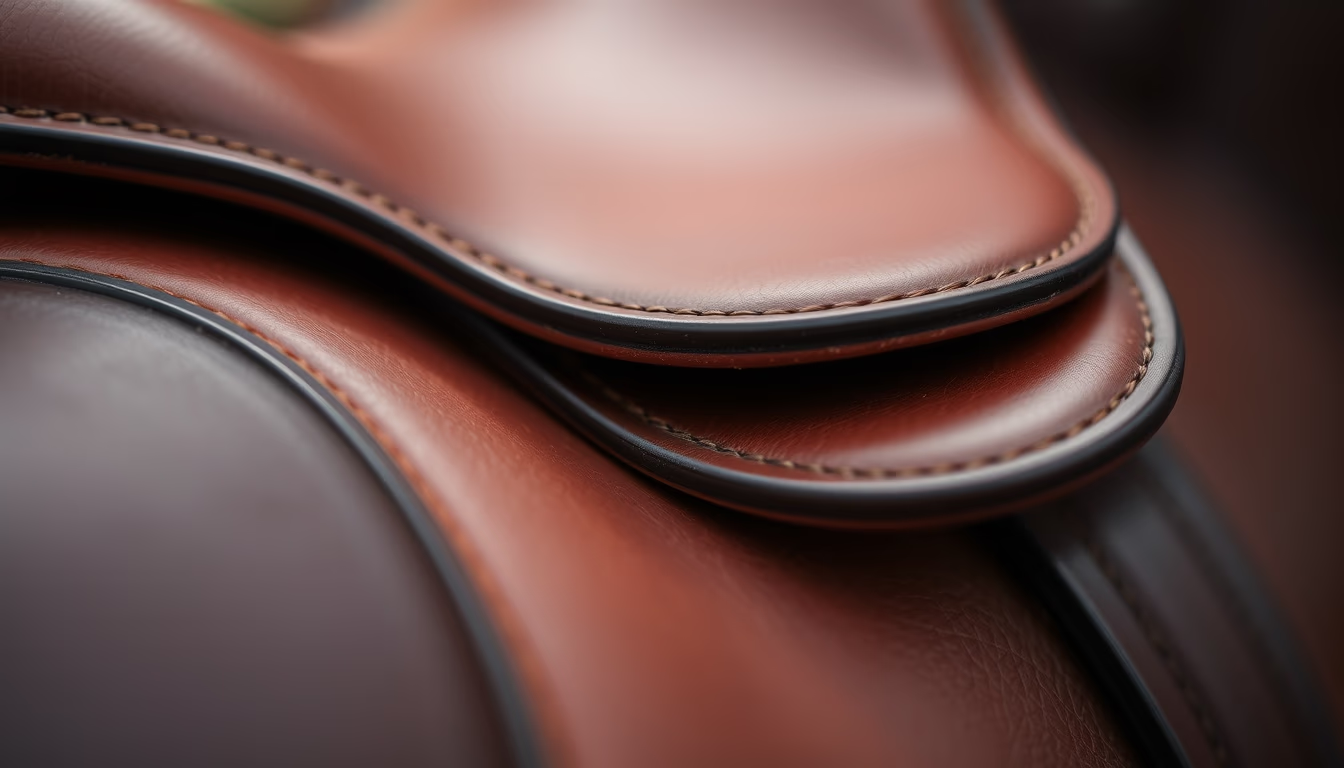
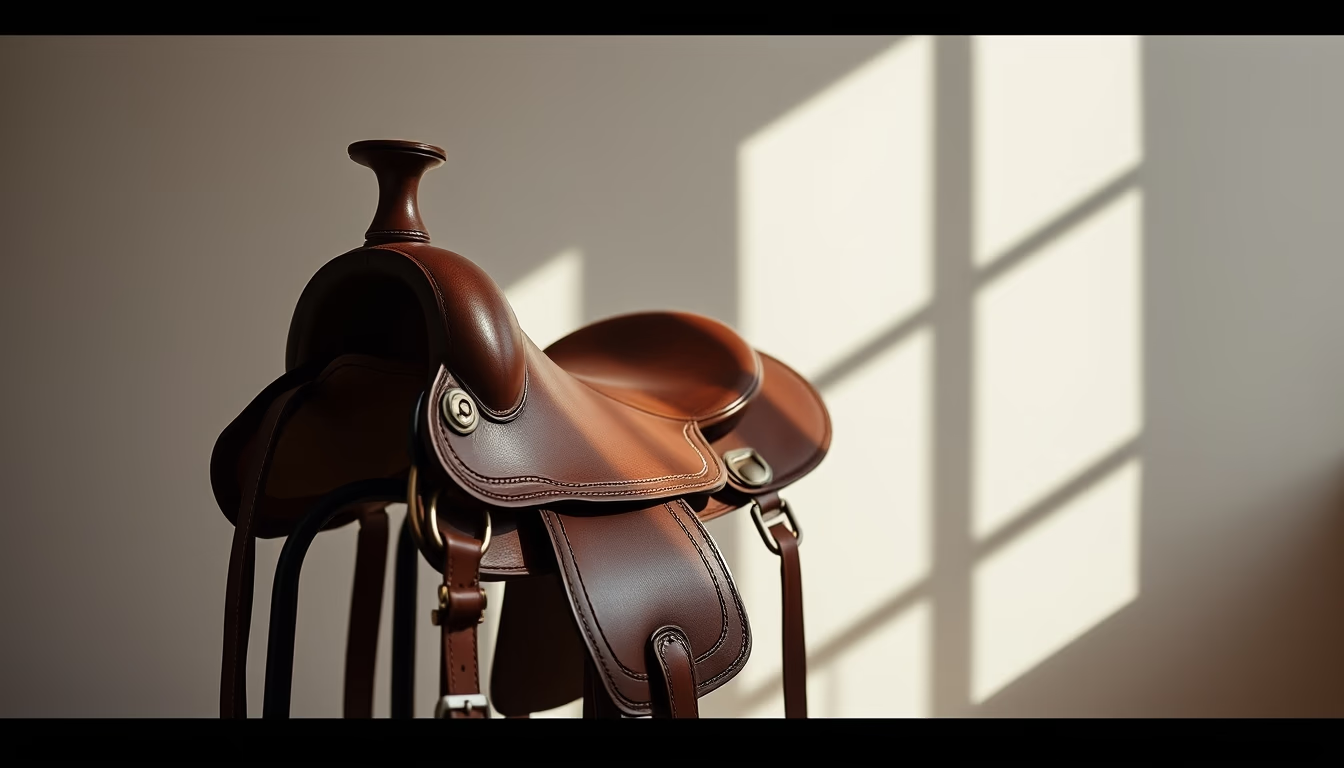
Horse saddle leather: characteristics, types, and care tips to maintain this equestrian material.
About this subject
Saddle leather is a specialized material, typically vegetable-tanned, that provides the strength and durability needed to withstand the constant weight and friction of riding. Unlike common leather, this type undergoes a tanning process using natural tannins, making it firmer and less prone to stretching. The choice of leather is crucial for rider comfort and saddle longevity. Common types include full-grain leather (vaqueta), bridle leather, and treated cowhide. Bridle leather is treated with oils and waxes, offering high water and sweat resistance; full-grain is softer and more flexible, ideal for roping saddles and working equitation. The use of leather in saddles dates back thousands of years: the earliest leather saddles are attributed to the steppe peoples of Central Asia around 700 BC. Since then, leather has remained the preferred material due to its ability to conform to the horse's back and shape with use. Proper maintenance is essential to extend the life of saddle leather: clean the saddle after each use with a damp cloth and mild soap, apply leather conditioners specific to equestrian use every two or three months, and avoid prolonged exposure to direct sunlight and excessive humidity. Overuse of greases and oils can soften the leather and compromise saddle structure. Storage in a dry, ventilated area, preferably using saddle racks that maintain the shape, prevents deformation and mold growth.
Frequently Asked Questions
What is the difference between saddle leather and regular leather?
Saddle leather is typically vegetable-tanned, making it stronger and stiffer, while regular leather is often chrome-tanned, softer, and more flexible but less durable for equestrian use.
How should I clean a leather saddle properly?
Use a slightly damp cloth with mild soap and water to remove dirt and sweat. Avoid harsh chemicals. After cleaning, apply a conditioner specifically designed for saddle leather.
Why does saddle leather need to be conditioned?
Conditioning prevents the leather from drying out and cracking, maintaining its flexibility and strength. Horse sweat and sun exposure can strip the natural oils from the leather.
Direct URL
https://pub-c7d6a6ea828543ac903a74a341ccb2e1.r2.dev/imagens/horse-saddle-leather-macro-closeup-fresh10.avifHow to credit
Include a visible link back to UtilizAí. Copy one of the snippets below:
<a href="https://xn--utiliza-eza.com/en/midia/imagens/horse-saddle-leather-macro-closeup-fresh10">Horse saddle leather</a> by <a href="https://xn--utiliza-eza.com">UtilizAí</a>, licensed under <a href="https://creativecommons.org/licenses/by/4.0/">CC BY 4.0</a>.
[Horse saddle leather](https://xn--utiliza-eza.com/en/midia/imagens/horse-saddle-leather-macro-closeup-fresh10) by [UtilizAí](https://xn--utiliza-eza.com), CC BY 4.0
License: CC-BY-4.0