Horse mane braided
1344×768 · AVIF · CC BY 4.0
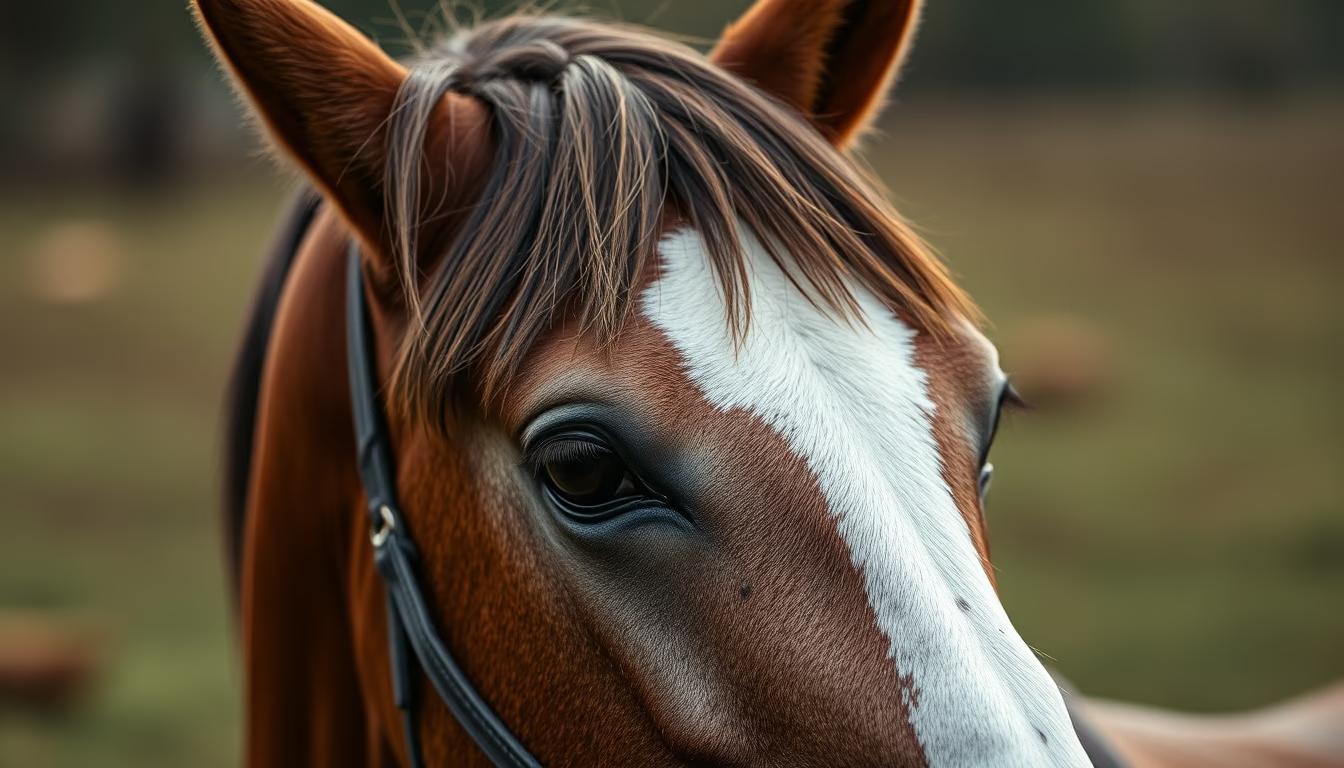
Braiding a horse's mane is an equestrian tradition blending aesthetics and functionality, used in competitions such as horse shows and agricultural fairs.
About this subject
The practice of braiding a horse's mane dates back centuries and has both practical and cultural origins. Originally, braids helped keep the mane tidy during field work or long rides, preventing tangles with harnesses or vegetation. Over time, the technique evolved into an essential element in equestrian presentations, especially in competitions such as classical show jumping, dressage, and roping events.
Different braiding styles exist, each with specific characteristics and purposes. The most common are "hunter braids," used in jumping and hunter classes, which are individual, tight knots, usually numbering 13 to 21, spaced 1 to 2 inches apart. "Dressage braids" are smaller and more delicate, forming a continuous braid along the mane with about 0.5 to 1 inch spacing. In cutting and reining competitions, the style may be more robust, with fewer braids to avoid interfering with the horse's movement.
The braiding process requires skill and patience. Professional groomers or braiders use materials such as sewing thread, needle, and rubber bands. Each braid is sewn at the base to ensure firmness and durability during performance. The average time to braid a full mane ranges from 2 to 4 hours, depending on the technique and hair thickness. In some regions of Brazil, such as the south, the gaucho tradition of braiding manes and tails is passed down through generations, common in rodeos and crioulo culture festivals.
Beyond aesthetics and competition, braiding also protects the mane from damage. It prevents breakage and tangling, facilitating maintenance in horses with long, thick manes, such as Friesians or Crioulos. For working horses, braids can be quickly undone with a single pull without damaging the hair. Interestingly, in some Native American cultures, braiding a horse's mane was a sign of status or tribal affiliation, showing how this simple practice carries deep meanings.
Frequently Asked Questions
How many braids are made in a show horse's mane?
The number varies by style: hunter braids typically range from 13 to 21; dressage braids are more numerous and smaller, spaced about 0.5 to 1 inch apart.
What materials are used for braiding a horse's mane?
Professionals use sturdy sewing thread, a needle, rubber bands to secure ends, and sometimes gel or spray to keep the hair in place.
Does braiding damage the horse's mane?
No, if done properly. It protects the mane from breakage and tangling, and can be undone without harm. It's best not to leave braids for more than a few days to avoid creases.
Direct URL
https://pub-c7d6a6ea828543ac903a74a341ccb2e1.r2.dev/imagens/horse-mane-braided-documentary-nature-style-fresh12.avifHow to credit
Include a visible link back to UtilizAí. Copy one of the snippets below:
<a href="https://xn--utiliza-eza.com/en/midia/imagens/horse-mane-braided-documentary-nature-style-fresh12">Horse mane braided</a> by <a href="https://xn--utiliza-eza.com">UtilizAí</a>, licensed under <a href="https://creativecommons.org/licenses/by/4.0/">CC BY 4.0</a>.
[Horse mane braided](https://xn--utiliza-eza.com/en/midia/imagens/horse-mane-braided-documentary-nature-style-fresh12) by [UtilizAí](https://xn--utiliza-eza.com), CC BY 4.0
License: CC-BY-4.0