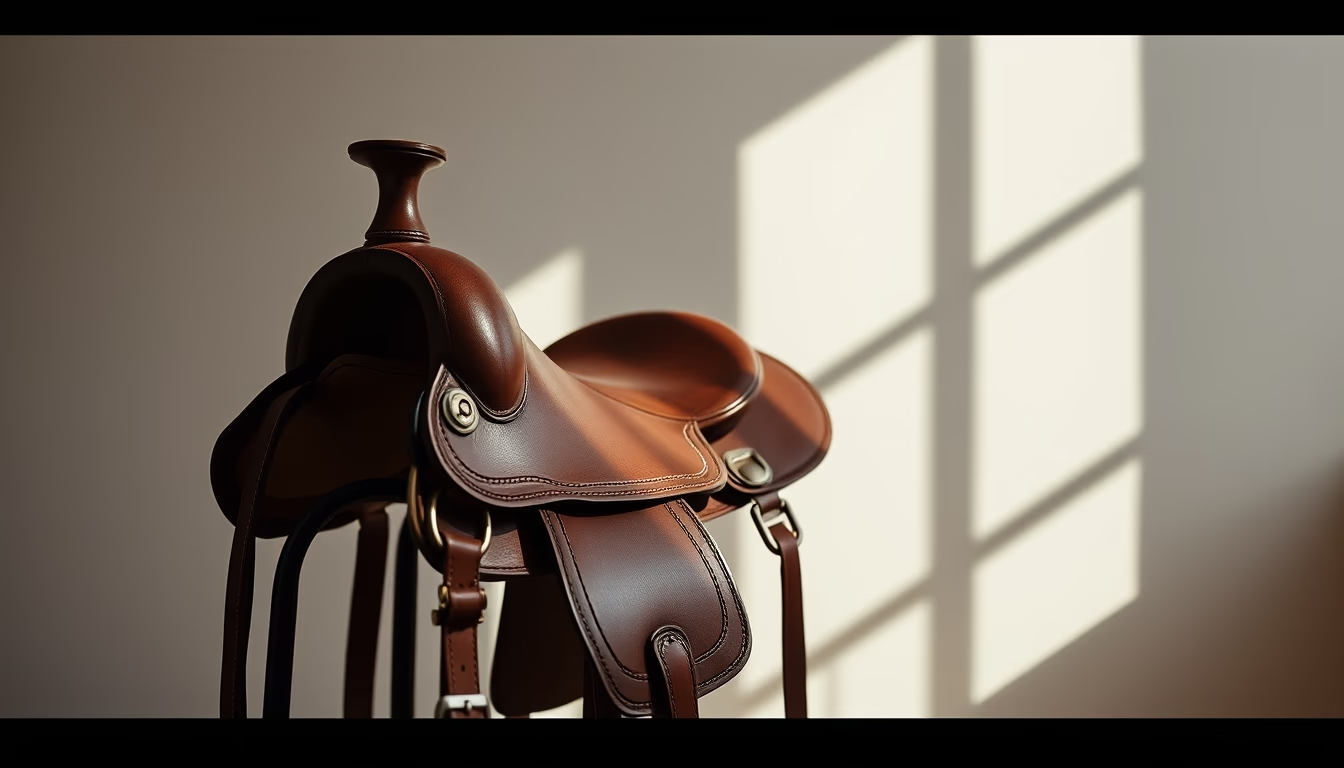
Horse bridle reins
1344×768 · AVIF · CC BY 4.0

Bridle reins are essential components in horseback riding, enabling control and communication between rider and horse. Learn about their history, materials, and care.
About this subject
Bridle reins are flexible straps that connect the rider's hands to the horse's bit, forming the primary interface for communication during riding. Traditionally made of leather, modern reins also come in synthetic materials like nylon and rubber, each offering specific durability and grip. Length and thickness vary by discipline: shorter reins for jumping events and longer ones for dressage, for example.
Historically, reins evolved alongside horse domestication. Archaeological evidence shows early rudimentary bits dating back to around 4000 BC in the Botai culture of modern-day Kazakhstan. Over time, materials advanced from rawhide cords to more sophisticated pieces incorporating metals and fabrics. In medieval Europe, reins were often decorated with carvings and gemstones, indicating social status.
In modern equestrianism, bridle reins play a crucial role in safety and animal welfare. Poorly adjusted or low-quality reins can cause discomfort to the horse or loss of control. Therefore, proper maintenance is essential: regular cleaning with glycerin soap and conditioning for leather, checking stitches and buckles. Competition rules often specify the type and width of reins allowed.
Beyond functionality, reins carry cultural significance. In traditional Brazilian rodeos and cavalgadas, how a rider holds the reins denotes experience and regional heritage. In Olympic dressage, precision in rein handling is strictly judged, where subtle finger movements guide the horse through complex patterns.
Frequently Asked Questions
What is the difference between leather and synthetic reins?
Leather reins are traditional, durable, and provide good grip, but require regular maintenance. Synthetic reins (nylon, rubber) are more water-resistant, easy to clean, and generally cheaper, but may be less comfortable for the hands and less durable long-term.
How do I choose the ideal length of reins?
Length varies by discipline and riding style. For dressage reins, about 1.2 to 1.5 meters is recommended, while for jumping, average 1 meter. The key is for the rider to maintain soft contact without excessive slack.
What care extends the life of leather reins?
Clean the reins after each use with a damp cloth and glycerin soap. Apply leather conditioner periodically to prevent drying. Avoid prolonged sun exposure and store in a dry place. Check stitching and buckles regularly for wear.
Direct URL
https://pub-c7d6a6ea828543ac903a74a341ccb2e1.r2.dev/imagens/horse-bridle-reins-magazine-editorial-fresh12.avifHow to credit
Include a visible link back to UtilizAí. Copy one of the snippets below:
<a href="https://xn--utiliza-eza.com/en/midia/imagens/horse-bridle-reins-magazine-editorial-fresh12">Horse bridle reins</a> by <a href="https://xn--utiliza-eza.com">UtilizAí</a>, licensed under <a href="https://creativecommons.org/licenses/by/4.0/">CC BY 4.0</a>.
[Horse bridle reins](https://xn--utiliza-eza.com/en/midia/imagens/horse-bridle-reins-magazine-editorial-fresh12) by [UtilizAí](https://xn--utiliza-eza.com), CC BY 4.0
License: CC-BY-4.0