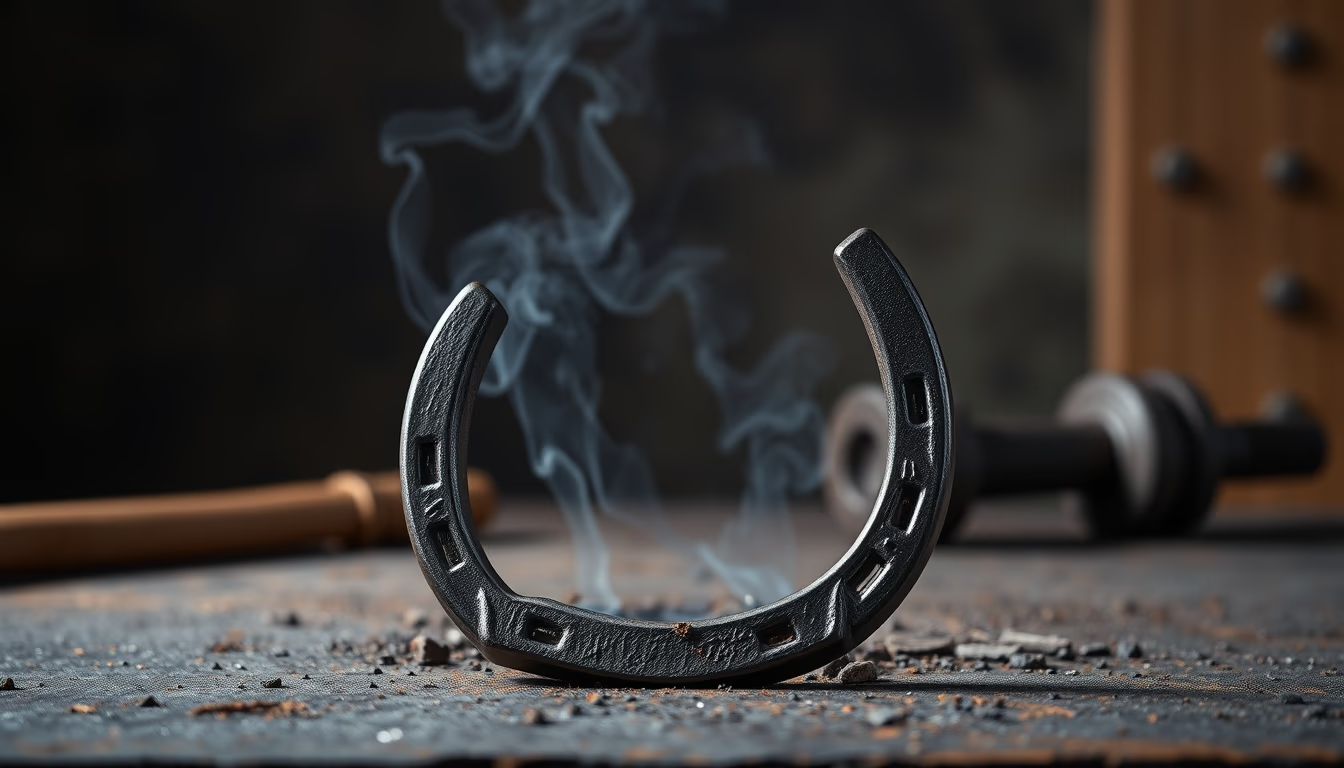
Horse bridle hanging
1344×768 · AVIF · CC BY 4.0

A hanging horse bridle is more than an accessory: it reveals centuries of equestrian tradition, craftsmanship, and the bond between human and horse.
About this subject
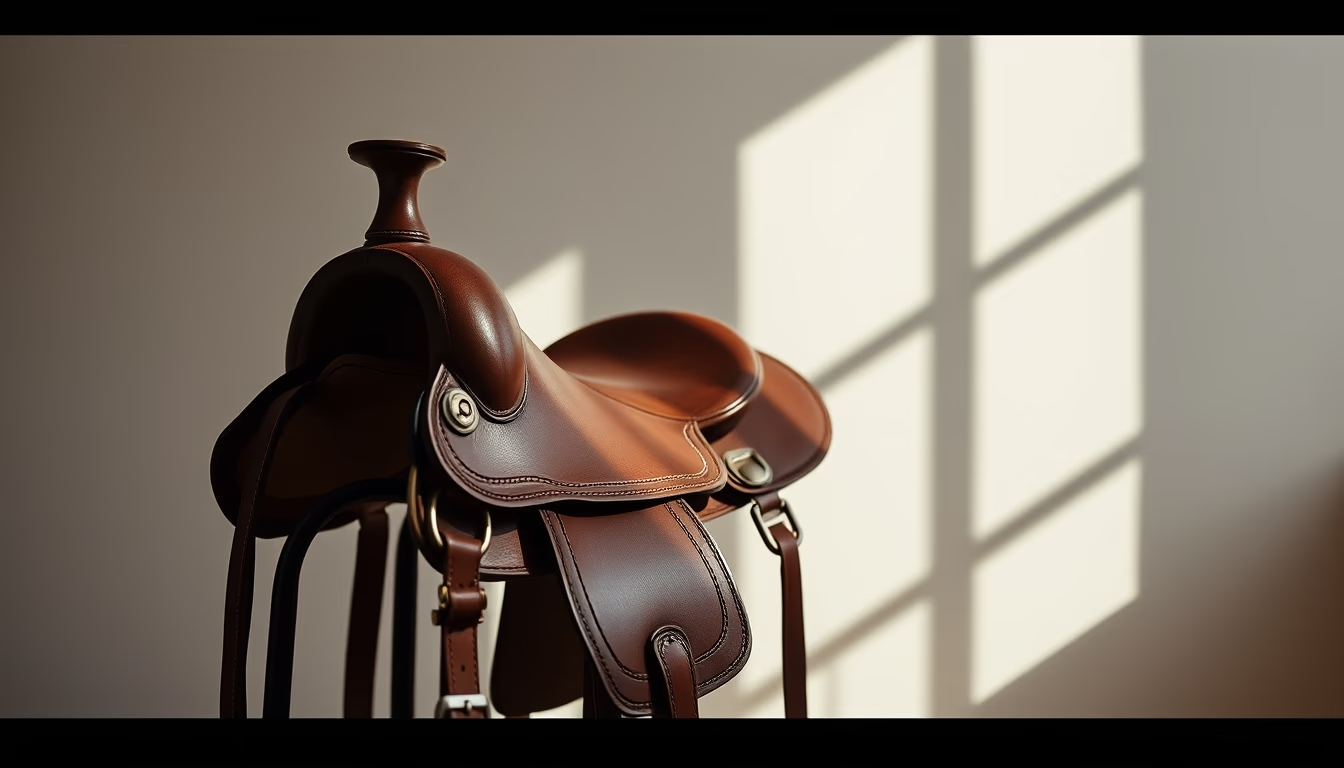
A horse bridle is a key piece of equestrian tack, transmitting the rider's commands through hands and the bit (the mouthpiece). Traditionally made of leather, its main parts are the headstall (holding the bridle on the horse's head), the reins (held by the rider), and the bit. Craftsmanship involves precise leather cutting, hand-stitching with waxed thread, and optional metal fittings such as brass or silver, depending on use, from everyday work on ranches to formal competitions or traditional rodeos.
Historically, bridles evolved from simple cords of horsehair or rawhide used by ancient Central Asian peoples to the ornate harnesses of medieval European nobility, often decorated with family crests and precious stones. In Brazil, equestrian culture is deeply influenced by the vaqueiro (Nordheastern cowboy) and the gaúcho (Southern herdsman), each with distinct bridle styles. The vaqueiro typically uses a hackamore or breast collar, while the gaúcho employs a curb bit and longer reins for cattle herding. A bridle hanging on a post or rack represents rest and proper equipment care, signifying the rider's discipline and respect for their gear.
Technical insights: the difference between a snaffle and a curb bit, the snaffle acts directly on the mouth, whereas the curb applies pressure on the poll and chin. Leather bridles require regular cleaning with glycerin soap to prevent drying and cracking, and should be stored away from sunlight and moisture. Antique or artisan-made pieces can become valuable collectibles, carrying historical and cultural heritage. In regions like the Pantanal and the Brazilian Sertão, bridles are often passed down generations, holding stories of daily work and long rides.
Frequently Asked Questions
What is the difference between a snaffle and a curb bit?
A snaffle bit applies direct pressure on the horse's mouth, while a curb bit uses leverage to apply pressure on the poll and chin. Curb bits are often used in western riding and require more skill to handle.
How do you maintain a leather bridle?
Clean with a damp cloth and glycerin soap after use, dry in the shade, and apply leather conditioner every three months. Store in a well-ventilated area away from direct sunlight and moisture to prevent cracking.
Why are handmade bridles cherished?
They offer durability, custom fit, and unique aesthetics. Artisans use premium leather, hand stitching, and ornate metalwork (silver or brass), making each bridle a functional piece of art that can last for decades.
Direct URL
https://pub-c7d6a6ea828543ac903a74a341ccb2e1.r2.dev/imagens/horse-bridle-hanging-fine-art-photography-fresh17.avifHow to credit
Include a visible link back to UtilizAí. Copy one of the snippets below:
<a href="https://xn--utiliza-eza.com/en/midia/imagens/horse-bridle-hanging-fine-art-photography-fresh17">Horse bridle hanging</a> by <a href="https://xn--utiliza-eza.com">UtilizAí</a>, licensed under <a href="https://creativecommons.org/licenses/by/4.0/">CC BY 4.0</a>.
[Horse bridle hanging](https://xn--utiliza-eza.com/en/midia/imagens/horse-bridle-hanging-fine-art-photography-fresh17) by [UtilizAí](https://xn--utiliza-eza.com), CC BY 4.0
License: CC-BY-4.0