Holi powder colors
1344×768 · AVIF · CC BY 4.0
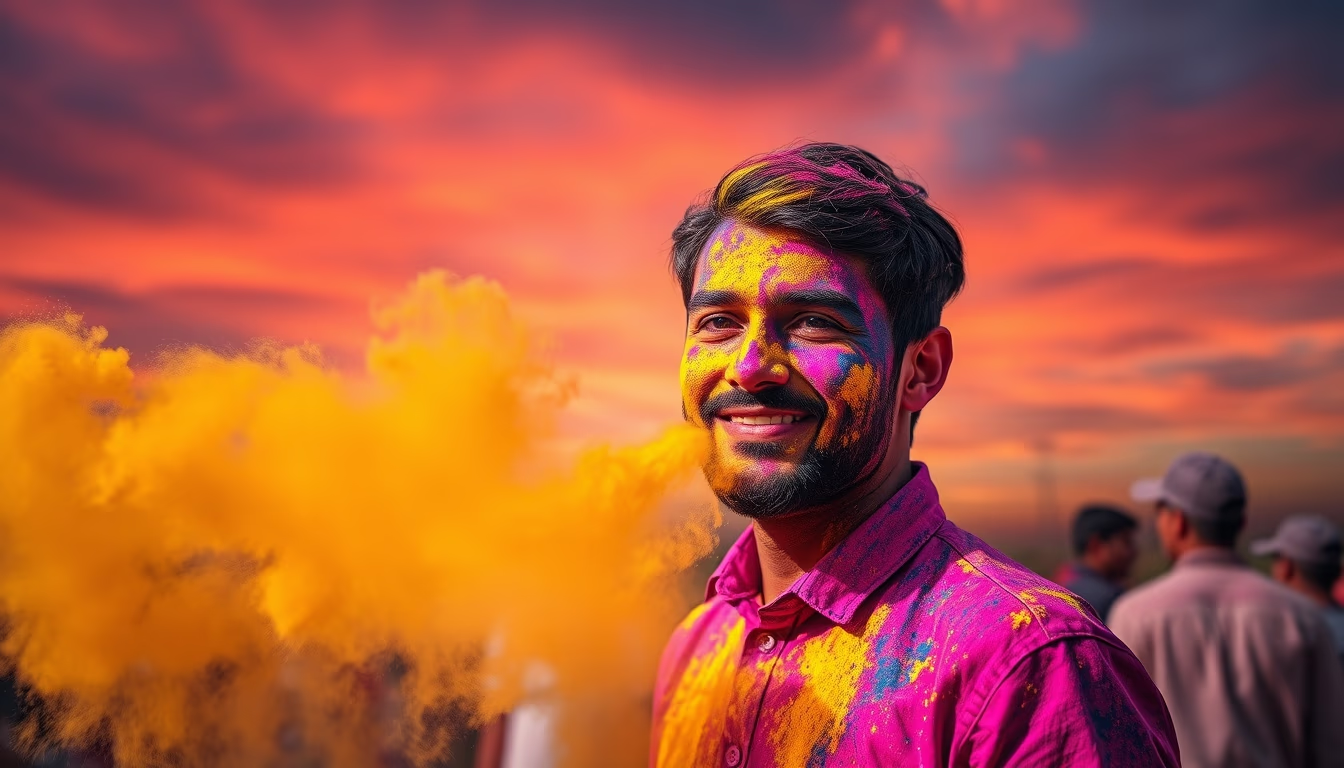
Os pós coloridos do Holi, festival hindu da primavera, celebram o triunfo do bem sobre o mal com uma explosão de cores vibrantes.
Sobre o tema
O Holi, também conhecido como Festival das Cores, é uma celebração hindu que marca o início da primavera e a vitória do bem sobre o mal. Originado no subcontinente indiano, o festival é comemorado principalmente na Índia, Nepal e em comunidades hindus ao redor do mundo. Durante o Holi, as pessoas se reúnem para jogar pós coloridos e água uns nos outros, criando uma atmosfera de alegria, união e renovação.
Os pós usados no Holi, chamados de gulal ou abir, tradicionalmente eram feitos de ingredientes naturais como flores, ervas e especiarias. O amarelo vinha da cúrcuma, o vermelho da beterraba ou sândalo, e o verde de folhas de mehndi. Atualmente, muitos pós são sintéticos, mas há um movimento crescente para retornar aos corantes orgânicos, que são seguros para a pele e o meio ambiente.
O significado religioso do Holi está associado a várias lendas. A mais popular conta a história de Prahlada e sua tia Holika. Prahlada era devoto de Vishnu, e seu pai, o rei Hiranyakashipu, ordenou que Holika (imune ao fogo) queimasse o menino. Porém, a fé de Prahlada protegeu-o, e Holika foi consumida pelas chamas. Assim, o Holi simboliza a queima do mal e a proteção divina. O festival também celebra o amor divino entre Radha e Krishna, que teria iniciado a tradição de brincar com cores.
Além das cores, o Holi envolve música, dança, comidas típicas como o gujia (pastel doce) e a bebida bhang (infusão de cannabis). O festival ocorre no final do inverno, na lua cheia do mês de Phalguna (fevereiro ou março). Hoje, o Holi é celebrado em muitos países como um evento multicultural, promovendo a diversidade e a alegria coletiva.
Perguntas frequentes
O que significa o Holi Festival?
O Holi é um festival hindu que celebra a chegada da primavera e a vitória do bem sobre o mal. Também é conhecido como Festival das Cores, pois as pessoas jogam pós coloridos e água umas nas outras.
De que são feitos os pós coloridos do Holi?
Tradicionalmente, os pós (gulal) eram feitos de ingredientes naturais como cúrcuma, beterraba e sândalo. Hoje, muitos são sintéticos, mas há um movimento para retornar aos corantes orgânicos para evitar danos à pele e ao meio ambiente.
Qual é a lenda por trás do Holi?
A lenda mais famosa é a de Prahlada e Holika. Prahlada, devoto de Vishnu, foi salvo das chamas enquanto sua tia Holika, que era imune ao fogo, foi queimada. Assim, o Holi simboliza a queima do mal e a proteção divina.
URL direta
https://pub-c7d6a6ea828543ac903a74a341ccb2e1.r2.dev/imagens/holi-powder-colors-long-exposure-fresh4.avifComo creditar
Inclua um link visível de volta pro UtilizAí. Copie um dos snippets abaixo:
<a href="https://xn--utiliza-eza.com/midia/imagens/holi-powder-colors-long-exposure-fresh4">Holi powder colors</a> by <a href="https://xn--utiliza-eza.com">UtilizAí</a>, licensed under <a href="https://creativecommons.org/licenses/by/4.0/">CC BY 4.0</a>.
[Holi powder colors](https://xn--utiliza-eza.com/midia/imagens/holi-powder-colors-long-exposure-fresh4) by [UtilizAí](https://xn--utiliza-eza.com), CC BY 4.0
Licença: CC-BY-4.0