Holi powder colors
1344×768 · AVIF · CC BY 4.0
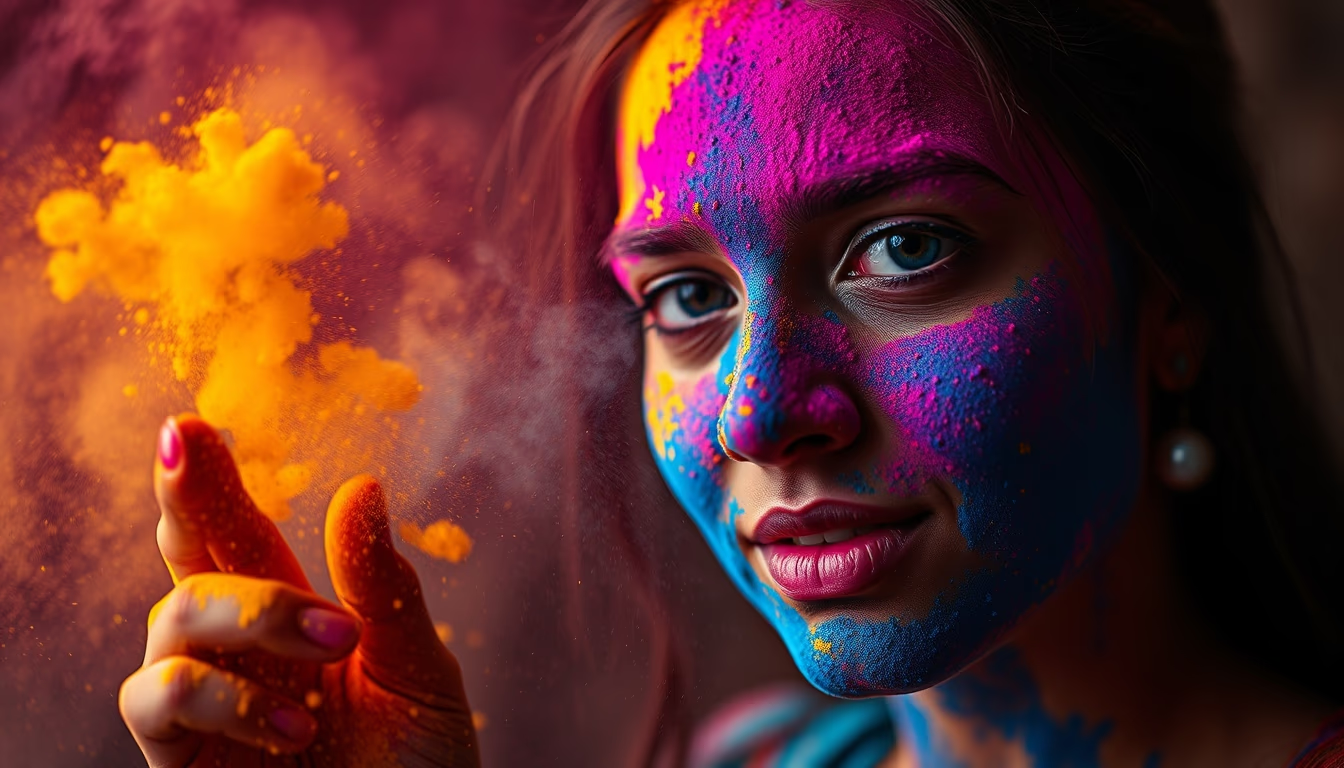
Colorful Holi powders, used in the Hindu festival celebrating spring and the victory of good over evil, with origins in India.
About this subject
Holi, also known as the Festival of Colors, is a Hindu celebration marking the end of winter and the arrival of spring. During the festival, people gather to throw colored powders called gulal and colored water at each other. Traditionally, these powders are made from natural ingredients such as dried flowers (e.g., marigolds or bougainvillea), turmeric, sandalwood, and other plant extracts. Each color carries symbolism: red represents love and fertility, blue the deity Krishna, green nature, and yellow turmeric and purity.
The tradition of Holi dates back centuries, rooted in Hindu legends such as the story of Holika and Prahlad. The festival is celebrated across India and by Hindu communities worldwide, usually in March on the full moon of the month of Phalguna. Besides colors, Holi involves music, dance, sweets like gujiya, and drinks like thandai. In recent years, the use of synthetic powders with chemical compounds has raised environmental and health concerns, leading to a movement back to natural dyes.
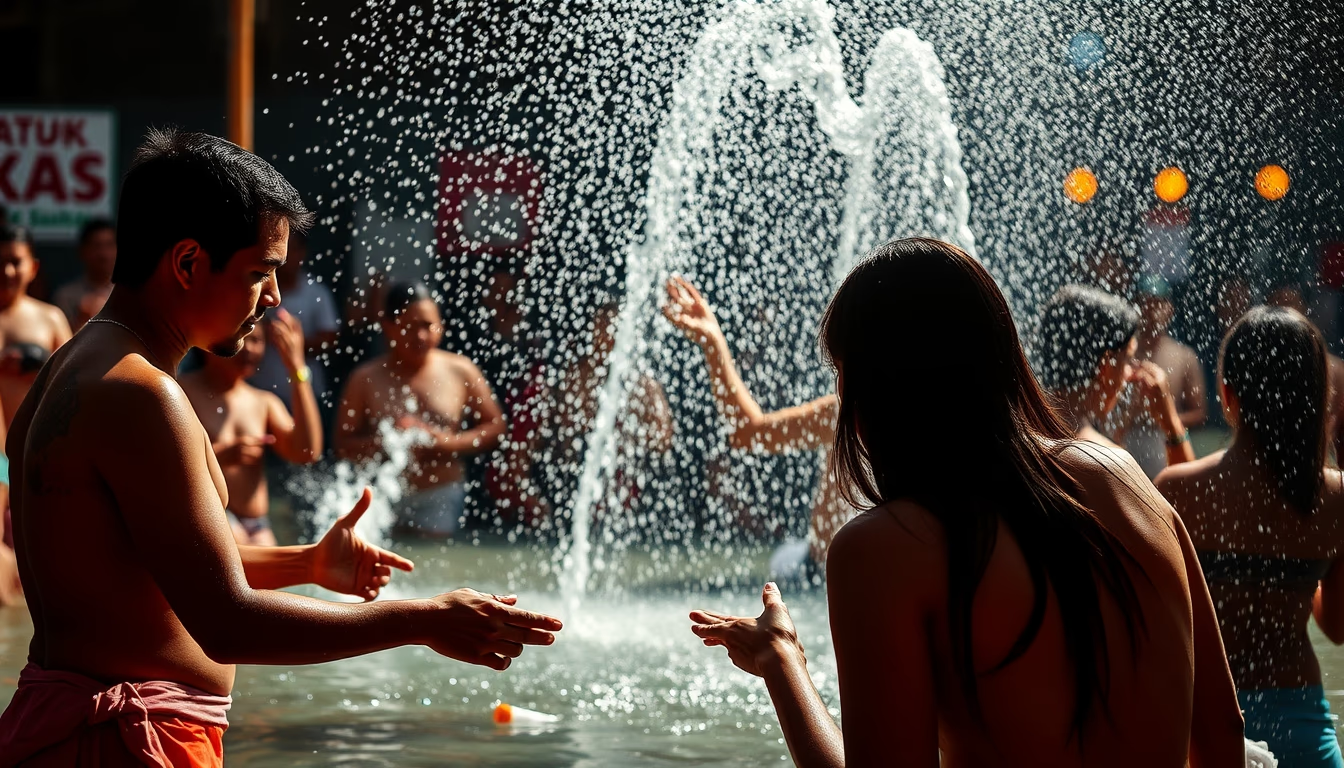
Outside India, Holi has gained global popularity as a festive and photogenic event. In cities like São Paulo and New York, public celebrations attract thousands of people, though they adapt some elements. The modern version often includes vibrant, bright powders, but the essence remains: spreading joy, forgiving rivalries, and renewing social bonds. The visual impact of colorful powder clouds against the sky has become an iconic symbol of celebration.
Interestingly, the tradition of throwing colored powders also has a therapeutic aspect: it is believed that colors help release repressed emotions and promote spiritual healing. In some regions of India, Holi lasts two days, with the first dedicated to religious rituals and the second to playing with colors. The preparation involves harvesting and drying flowers months in advance, an artisanal process that keeps the local culture alive.
Frequently Asked Questions
What is the origin of Holi colored powders?
The colored powders, or gulal, originate from ancient Hindu traditions. They were made from dried flowers and plant extracts, used to celebrate spring and the victory of good over evil.
Are Holi powders safe for skin?
Traditionally yes, as they were natural. However, modern versions may contain synthetic dyes or chemicals that can cause irritation. It's advisable to use natural powders or check their source.
Is Holi celebrated only in India?
No. Although originating in India, Holi is celebrated by Hindu communities worldwide and has gained global popularity as a cultural and festive event.
Direct URL
https://pub-c7d6a6ea828543ac903a74a341ccb2e1.r2.dev/imagens/holi-powder-colors-fine-art-photography-fresh15.avifHow to credit
Include a visible link back to UtilizAí. Copy one of the snippets below:
<a href="https://xn--utiliza-eza.com/en/midia/imagens/holi-powder-colors-fine-art-photography-fresh15">Holi powder colors</a> by <a href="https://xn--utiliza-eza.com">UtilizAí</a>, licensed under <a href="https://creativecommons.org/licenses/by/4.0/">CC BY 4.0</a>.
[Holi powder colors](https://xn--utiliza-eza.com/en/midia/imagens/holi-powder-colors-fine-art-photography-fresh15) by [UtilizAí](https://xn--utiliza-eza.com), CC BY 4.0
License: CC-BY-4.0