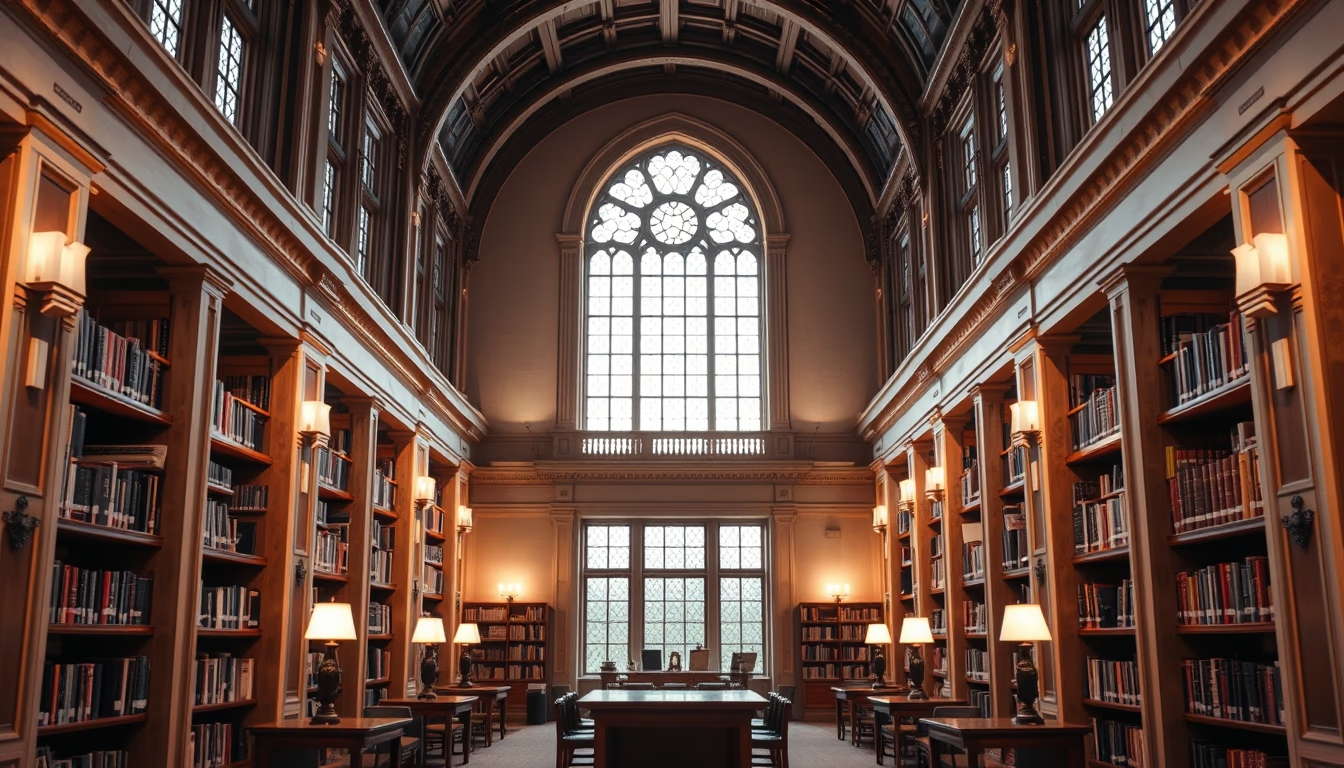
Harvard library reading room
1344×768 · AVIF · CC BY 4.0
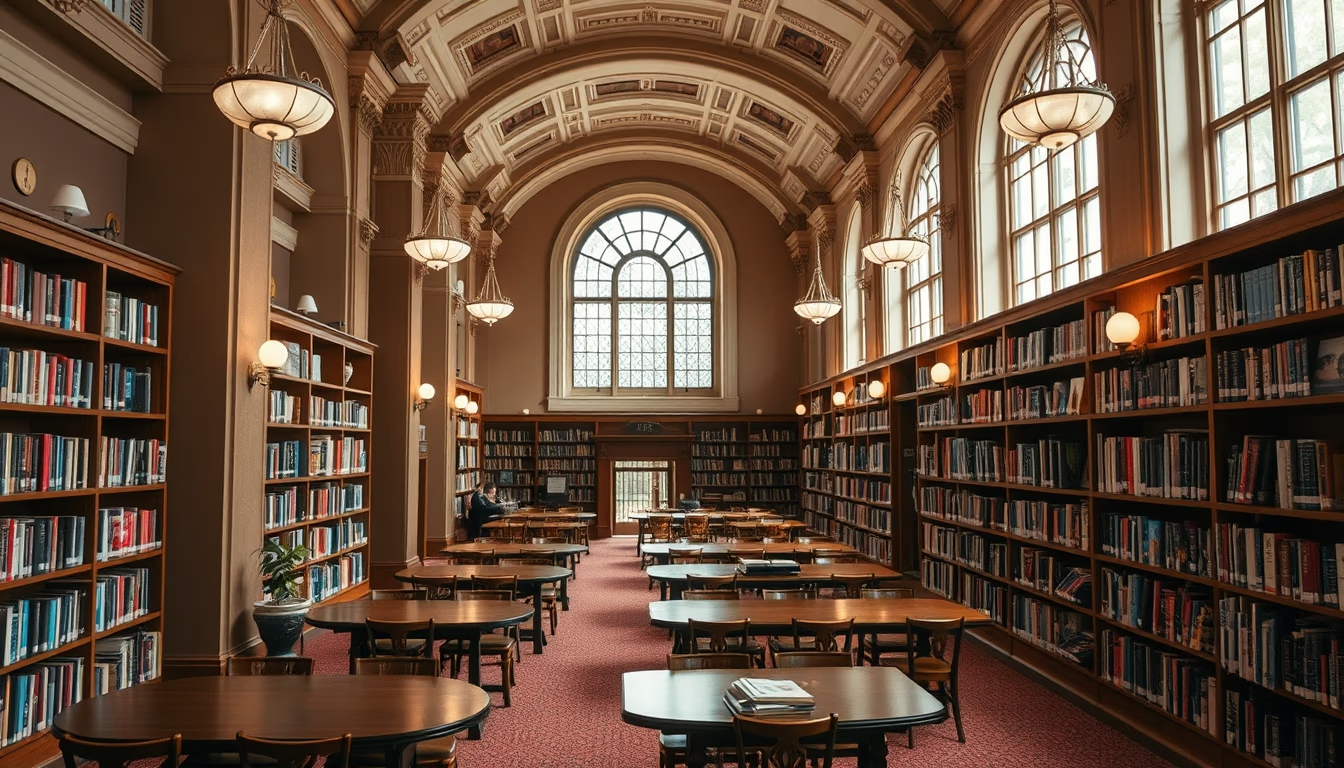
The reading room of Widener Library at Harvard is one of the most emblematic academic spaces in the United States, combining neoclassical architecture and intellectual tradition.
About this subject
The most iconic reading room at Harvard University is located in Widener Library, a neoclassical building opened in 1915. Built as a memorial to Harry Elkins Widener, a young bibliophile who died in the sinking of the Titanic, the library was funded by his mother, Eleanor Elkins Widener. The central space, known as the Widener Memorial Room, is a vast reading hall with a 12-meter ceiling, marble columns, stained glass windows, and crystal chandeliers. Oak bookcases line the walls, filled with rare works and reference volumes. The environment was designed to inspire concentration and reverence for knowledge, reflecting the vision that a great university requires a great library.
The reading room is used daily by Harvard students, faculty, and researchers. It also serves as a venue for academic ceremonies and visits by dignitaries. Over the years, personalities such as Franklin D. Roosevelt and Nelson Mandela have passed through its doors. The library houses one of the world's largest collections, with over 16 million volumes, and the reading room itself holds approximately 50,000 reference books. The acoustics and natural lighting were carefully planned to create an ideal study environment.
Architecturally, Widener Library is an example of the Beaux-Arts style, popular in the United States in the early 20th century. The building was designed by Horace Trumbauer, who also worked on the Boston Public Library. The granite facade and classical details, such as pediments and pilasters, establish a visual link with other historic structures on campus. Inside the reading room, silence is strictly enforced, and visitors often describe a feeling of peace and scholarship upon entering.
Beyond Widener, Harvard has dozens of other libraries, but the main reading room remains the symbolic heart of academic life. Its image appears in films, books, and documentaries as synonymous with university excellence. For Harvard students, studying in that space is a rite of passage, a connection to previous generations of intellectuals.
Frequently Asked Questions
What is the history of the Widener Library reading room?
The reading room opened in 1915 as part of Widener Library, built in memory of Harry Elkins Widener, who died in the Titanic sinking. His mother, Eleanor Elkins Widener, donated the funds for construction.
Can the public visit the reading room?
Widener Library is primarily for the Harvard community, but visitors can schedule guided tours. Access to the reading room may be restricted during exam periods.
What architectural features stand out in the reading room?
The room features a 12-meter ceiling, marble columns, stained glass windows, crystal chandeliers, and oak bookcases. The style is Beaux-Arts with neoclassical influence.
Direct URL
https://pub-c7d6a6ea828543ac903a74a341ccb2e1.r2.dev/imagens/harvard-library-reading-room-documentary-nature-style-fresh16.avifHow to credit
Include a visible link back to UtilizAí. Copy one of the snippets below:
<a href="https://xn--utiliza-eza.com/en/midia/imagens/harvard-library-reading-room-documentary-nature-style-fresh16">Harvard library reading room</a> by <a href="https://xn--utiliza-eza.com">UtilizAí</a>, licensed under <a href="https://creativecommons.org/licenses/by/4.0/">CC BY 4.0</a>.
[Harvard library reading room](https://xn--utiliza-eza.com/en/midia/imagens/harvard-library-reading-room-documentary-nature-style-fresh16) by [UtilizAí](https://xn--utiliza-eza.com), CC BY 4.0
License: CC-BY-4.0