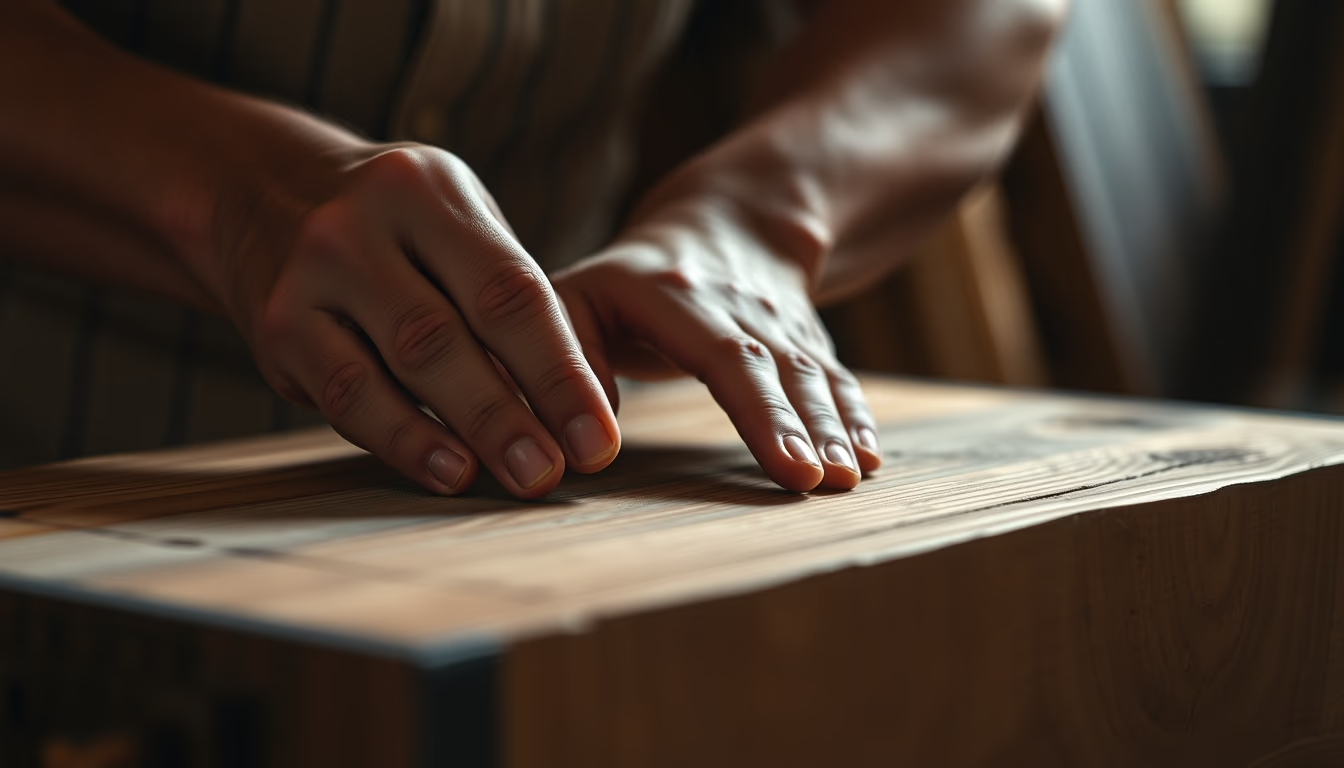
Hand carved chest cedar
1344×768 · AVIF · CC BY 4.0

Hand-carved solid cedar chest, a piece of furniture that combines functionality and folk art.
About this subject
The hand-carved cedar chest is a traditional piece of furniture, often associated with wedding trousseaus or storage of valuables. Cedar wood (especially rose cedar or Atlantic cedar) is prized for its natural resistance to insects and fungi, and it emits a characteristic aroma that repels moths. The hand carving usually features geometric patterns, floral motifs, or everyday scenes, varying by region and artisan.
In Brazil, cedar chest production was intense in the southern and southeastern states, particularly in communities of European immigrant descendants and Atlantic Forest regions. The oldest pieces, from the 19th and early 20th centuries, are considered family heirlooms and can fetch high prices at antique auctions. The carving technique requires years of practice: the artisan uses gouges and chisels to create reliefs that can be simple or highly detailed.
Beyond domestic use, these chests are displayed in museums of folk art and immigration, such as the Museu do Imigrante in São Paulo and the Museu do Folclore in Curitiba. Preserving this furniture involves careful control of humidity and light, as the wood can crack under sudden temperature changes. Today, contemporary artisans keep the tradition alive, producing pieces that dialogue with modern design while retaining the manual essence.
The cedar used also has ecological significance: species like Cedrela fissilis are threatened by predatory logging, making the use of certified or reforested wood a growing concern in the furniture industry.
Frequently Asked Questions
Why is cedar wood recommended for chests?
Cedar is naturally resistant to insects and fungi, and its aroma repels moths. It is a medium-density wood, easy to carve, and stable, making it ideal for carved furniture.
How can I identify a genuine hand-carved cedar chest?
Look for marks of hand tools like gouges and irregular grooves. Authentic pieces have mortise-and-tenon joints and handmade nails. The distinctive cedar smell also helps.
What is the historical origin of cedar chests in Brazil?
The tradition arrived with Portuguese colonizers and European immigrants (Germans, Italians, Poles) in the 18th and 19th centuries. These chests were essential for storing clothes and documents during travel and moves.
Direct URL
https://pub-c7d6a6ea828543ac903a74a341ccb2e1.r2.dev/imagens/hand-carved-chest-cedar-film-grain-authentic-fresh9.avifHow to credit
Include a visible link back to UtilizAí. Copy one of the snippets below:
<a href="https://xn--utiliza-eza.com/en/midia/imagens/hand-carved-chest-cedar-film-grain-authentic-fresh9">Hand carved chest cedar</a> by <a href="https://xn--utiliza-eza.com">UtilizAí</a>, licensed under <a href="https://creativecommons.org/licenses/by/4.0/">CC BY 4.0</a>.
[Hand carved chest cedar](https://xn--utiliza-eza.com/en/midia/imagens/hand-carved-chest-cedar-film-grain-authentic-fresh9) by [UtilizAí](https://xn--utiliza-eza.com), CC BY 4.0
License: CC-BY-4.0