Hammer claw on wood
1344×768 · AVIF · CC BY 4.0
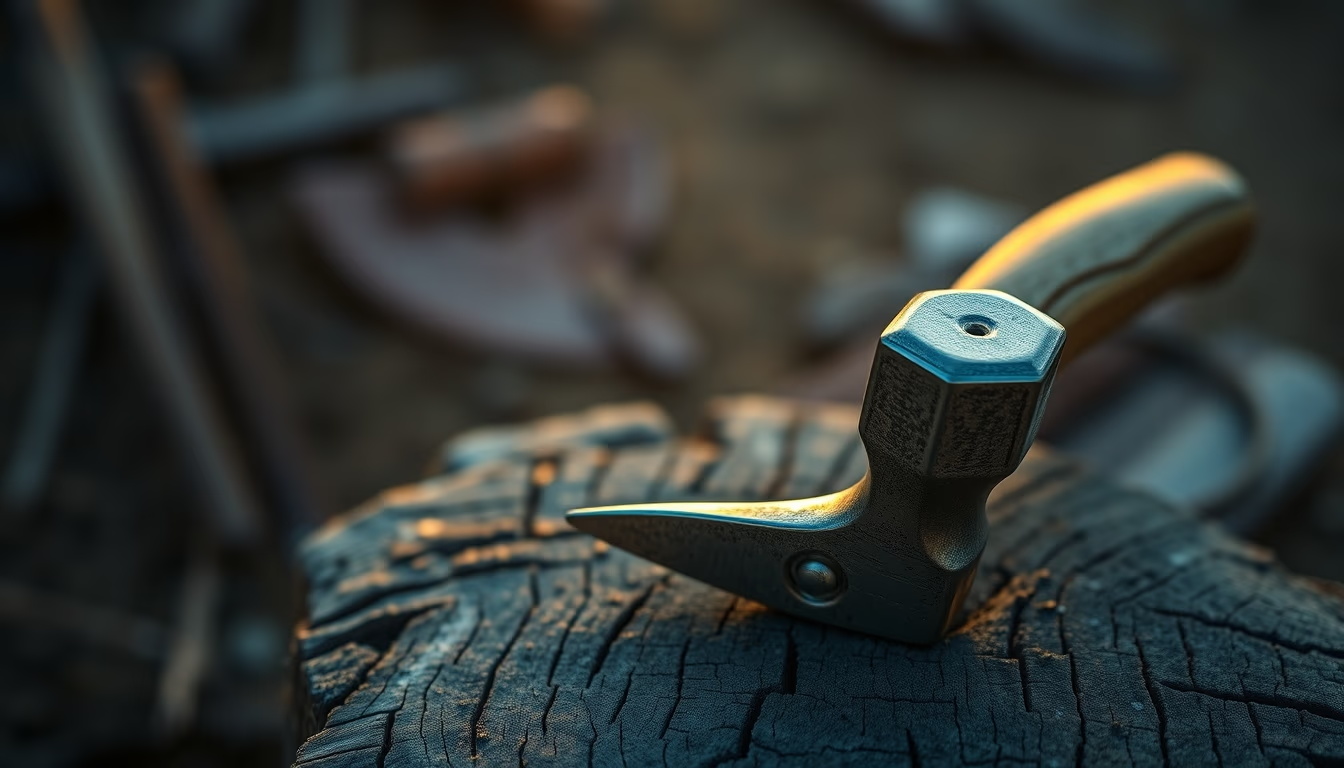
The hammer claw, also known as the nail puller, is a tool designed to extract nails from wood, combining leverage and impact in one instrument.
About this subject
The hammer is one of humanity's oldest tools, with usage records dating back 2.4 million years to the Paleolithic era. The addition of the claw on the opposite end of the striking head is a relatively modern development, emerging around the 15th century in Europe. This innovation turned the hammer into a dual-function tool: striking and extracting. The curved claw allows the user to fit the notch under the nail head and, by tilting the hammer, use leverage to remove it from the wood with minimal effort.
Claw designs vary by hammer type. Carpenter's hammers typically have V-notch claws of medium depth, suitable for common nails. Demolition or roofing hammers have longer, angled claws capable of pulling larger and deeper nails. The wood used for handles, such as hickory or oak, is chosen for its strength and shock-absorbing properties, reducing user fatigue. Fiberglass or steel handles are also common in modern models, offering durability and lighter weight.
Culturally, the claw hammer is a universal symbol of manual labor and construction. The geometry of the claw directly affects extraction efficiency: an angle of 15 to 20 degrees relative to the handle is considered ideal for maximizing leverage without damaging the wood surface. Proper maintenance, such as keeping the claw sharp and free of burrs, is crucial to prevent the nail from slipping or the wood from splintering.
Frequently Asked Questions
Why does a hammer have a claw?
The hammer claw is designed to remove nails using leverage. By fitting the notch under the nail head and tilting the hammer, you can extract the nail easily without damaging the wood surface.
How to safely use a hammer claw?
Wear safety glasses to protect against flying splinters or loose nails. Position the claw firmly under the nail head and pull the hammer at a right angle to the wood, keeping your other hand away from the impact area.
What type of wood is best for hammer handles?
Hard, resilient woods like hickory and oak are traditional for absorbing shock and providing strength. Fiberglass or steel handles are also durable but transmit more vibration.
Direct URL
https://pub-c7d6a6ea828543ac903a74a341ccb2e1.r2.dev/imagens/hammer-claw-on-wood-cinematic-wide-shot-p3.avifHow to credit
Include a visible link back to UtilizAí. Copy one of the snippets below:
<a href="https://xn--utiliza-eza.com/en/midia/imagens/hammer-claw-on-wood-cinematic-wide-shot-p3">Hammer claw on wood</a> by <a href="https://xn--utiliza-eza.com">UtilizAí</a>, licensed under <a href="https://creativecommons.org/licenses/by/4.0/">CC BY 4.0</a>.
[Hammer claw on wood](https://xn--utiliza-eza.com/en/midia/imagens/hammer-claw-on-wood-cinematic-wide-shot-p3) by [UtilizAí](https://xn--utiliza-eza.com), CC BY 4.0
License: CC-BY-4.0