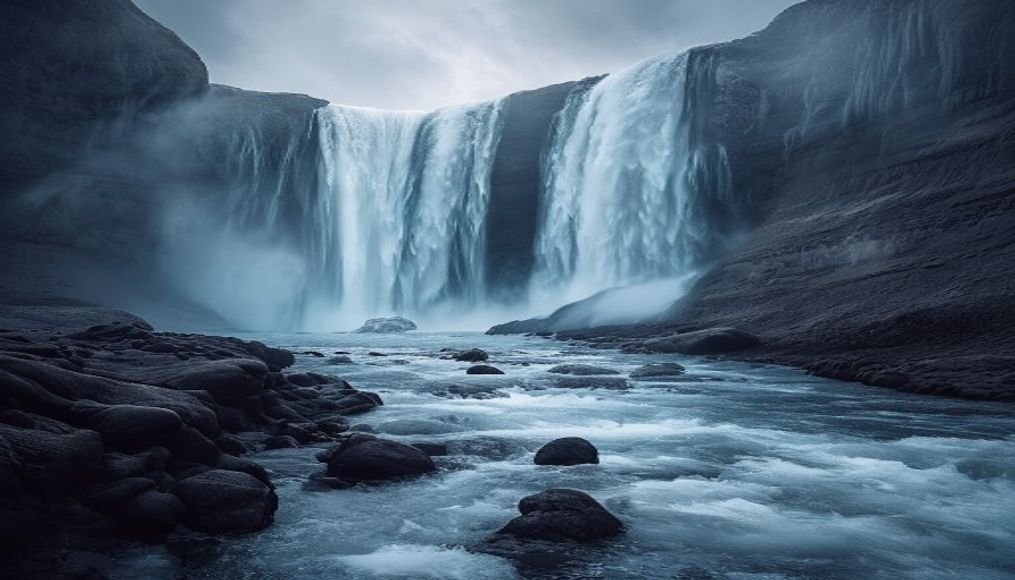
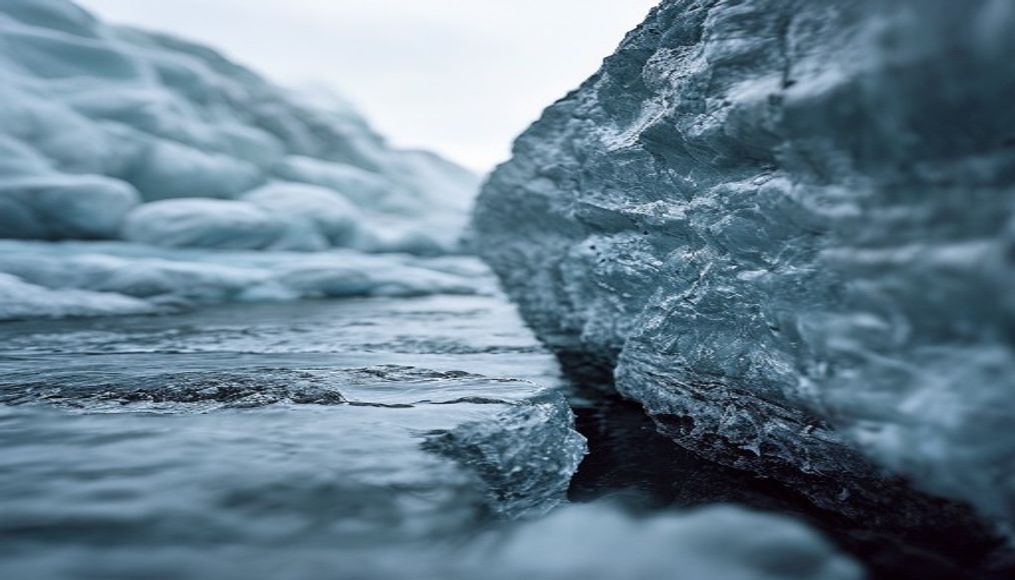
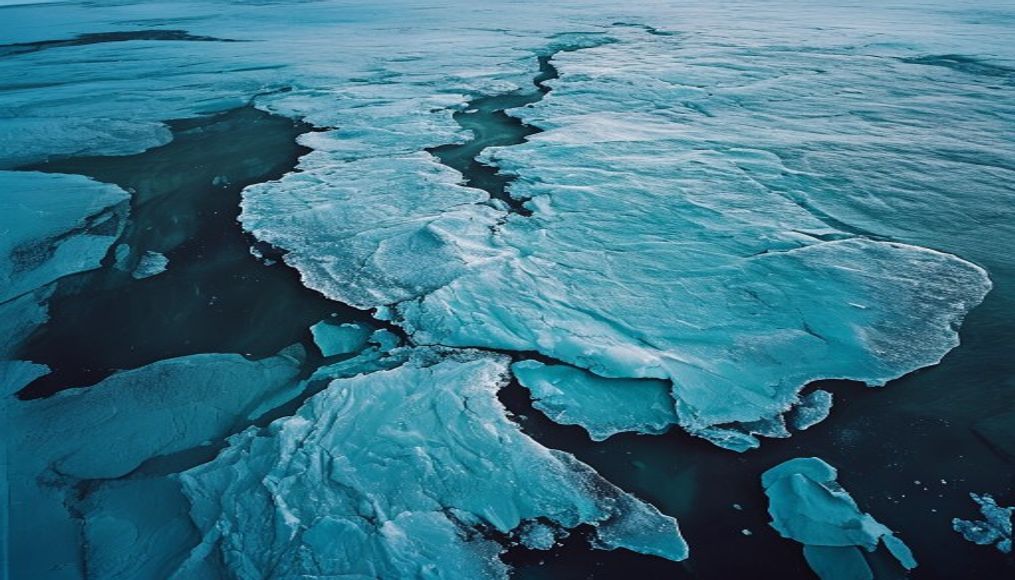
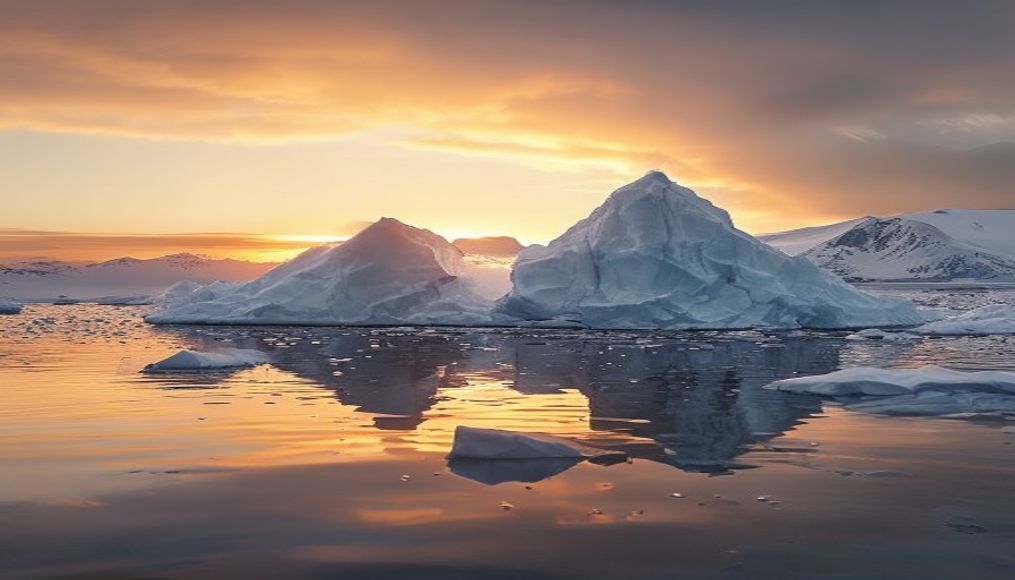
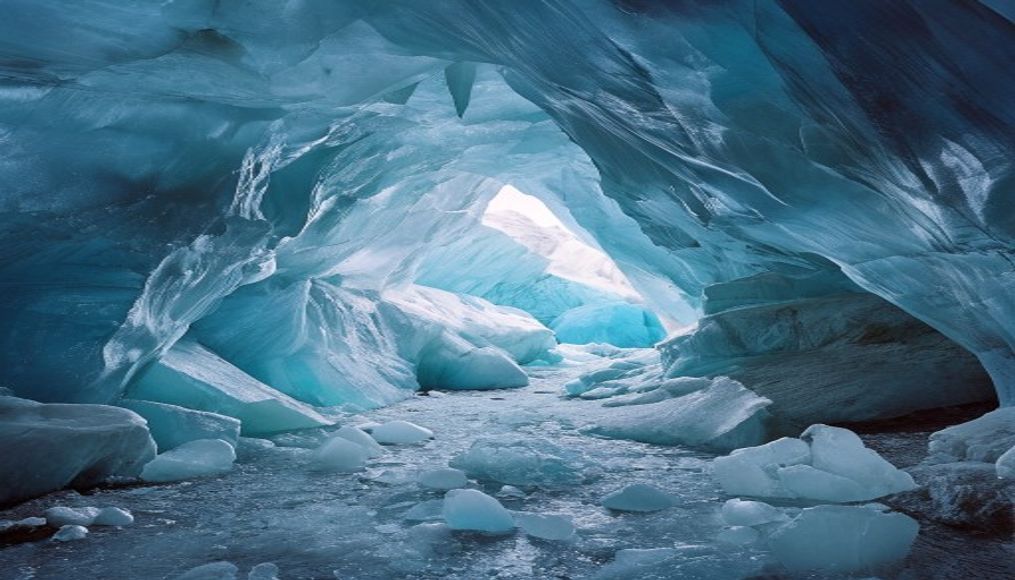
Geleira de gelo azul cave
1344×768 · AVIF · CC BY 4.0
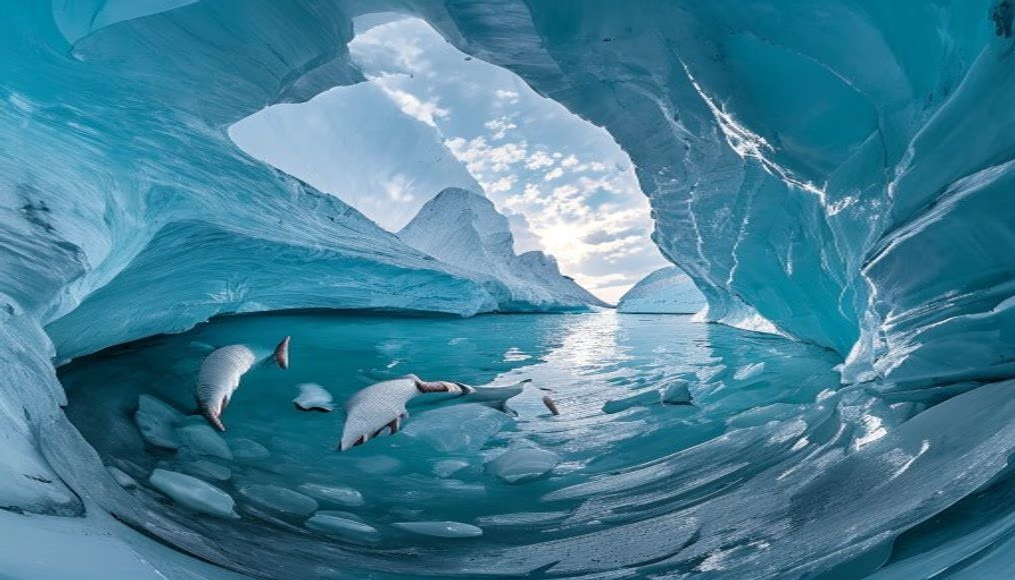
As cavernas de gelo azul se formam no interior de geleiras, exibindo tons intensos devido à absorção seletiva da luz.
Sobre o tema
As cavernas de gelo azul são fenômenos naturais efêmeros que ocorrem no interior de geleiras, especialmente na Islândia, Patagônia e Groenlândia. Elas se formam quando água de degelo escorre por fendas e se solidifica, criando túneis e câmaras. O gelo azul resulta da compressão da neve ao longo de séculos: as bolhas de ar são expelidas, permitindo que a luz penetre profundamente. O gelo absorve os comprimentos de onda vermelhos e amarelos, refletindo apenas os azuis, o que intensifica a cor.
A geleira Vatnajökull, na Islândia, abriga algumas das cavernas mais famosas. Elas são sazonais, existindo apenas no inverno quando o degelo cessa. Na Patagônia, a geleira Perito Moreno também forma cavernas azuis, porém de acesso mais difícil. Estas estruturas são instáveis e podem desabar sem aviso, exigindo guias experientes para visitas seguras.
Além do apelo visual, as cavernas guardam registros climáticos. Cientistas analisam anéis de gelo para reconstruir temperaturas e composição atmosférica passadas. Com o aquecimento global, muitas geleiras recuam, ameaçando a existência dessas cavernas. Estudos mostram que o derretimento acelerado reduz a espessura do gelo, diminuindo a formação de cavernas azuis.
Turistas são atraídos pela paisagem surreal, mas o impacto humano preocupa. A pegada de carbono dos voos e o pisoteio aceleram a degradação. Operadores locais promovem turismo sustentável, limitando grupos e proibindo toques no gelo. A fotografia com lentes grande-angulares, como olho de peixe, captura a amplitude das câmaras, mas o visitante deve priorizar a preservação.
Perguntas frequentes
Por que o gelo das cavernas é azul?
O gelo azul ocorre porque a neve, ao ser comprimida por séculos, expulsa as bolhas de ar. A luz penetra no gelo e os comprimentos de onda vermelhos e amarelos são absorvidos, enquanto os azuis são refletidos, criando a cor intensa.
Onde posso visitar cavernas de gelo azul?
Os destinos mais populares são a Islândia (geleira Vatnajökull), a Patagônia argentina (Perito Moreno) e a Groenlândia. A melhor época é o inverno, quando as cavernas estão mais estáveis.
Visitar cavernas de gelo é perigoso?
Sim, há riscos de desabamento e quedas. É essencial contratar guias experientes e usar equipamentos de segurança como capacetes e grampos. As cavernas mudam constantemente e nunca devem ser exploradas sozinho.
URL direta
https://pub-c7d6a6ea828543ac903a74a341ccb2e1.r2.dev/imagens/glacier-blue-ice-cave-fish-eye-wide-angle-p2.avifComo creditar
Inclua um link visível de volta pro UtilizAí. Copie um dos snippets abaixo:
<a href="https://xn--utiliza-eza.com/midia/imagens/glacier-blue-ice-cave-fish-eye-wide-angle-p2">Geleira de gelo azul cave</a> by <a href="https://xn--utiliza-eza.com">UtilizAí</a>, licensed under <a href="https://creativecommons.org/licenses/by/4.0/">CC BY 4.0</a>.
[Geleira de gelo azul cave](https://xn--utiliza-eza.com/midia/imagens/glacier-blue-ice-cave-fish-eye-wide-angle-p2) by [UtilizAí](https://xn--utiliza-eza.com), CC BY 4.0
Licença: CC-BY-4.0