Gift boxes wrapped colorful
1344×768 · AVIF · CC BY 4.0
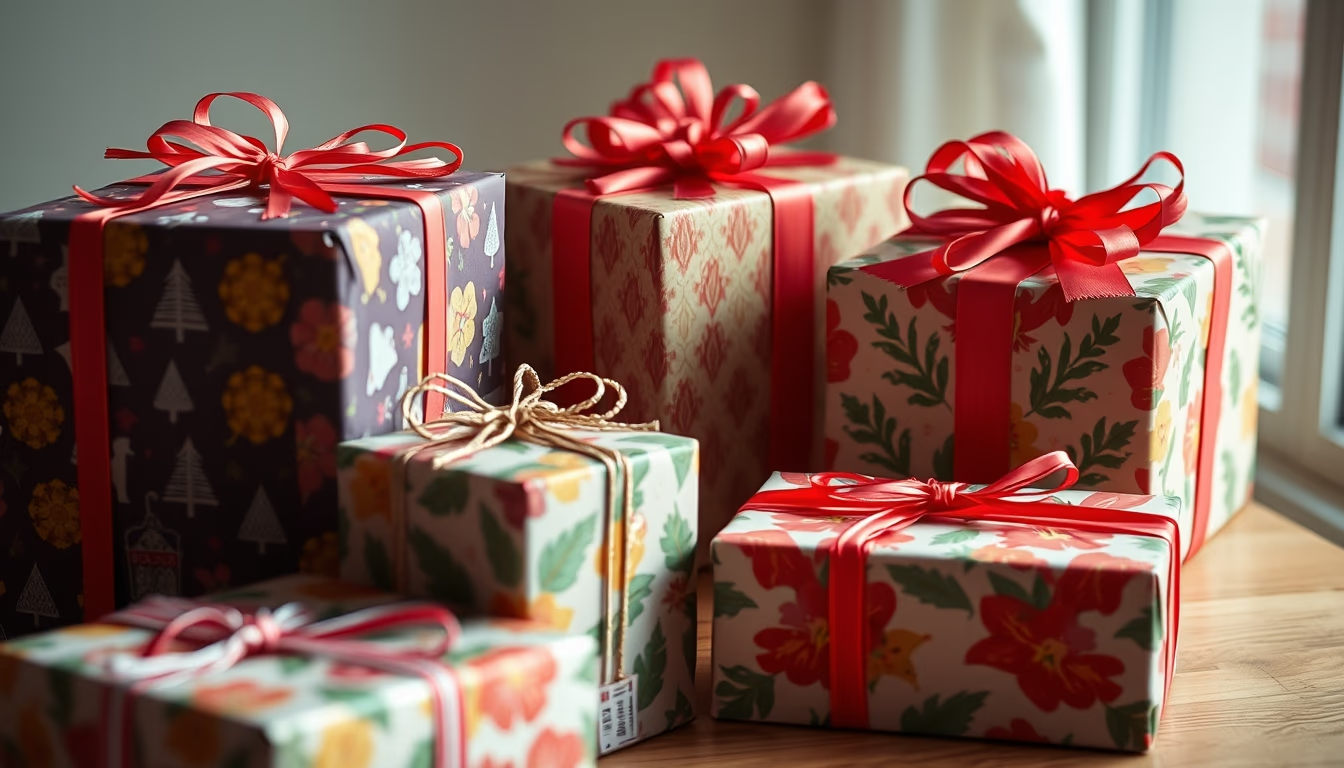
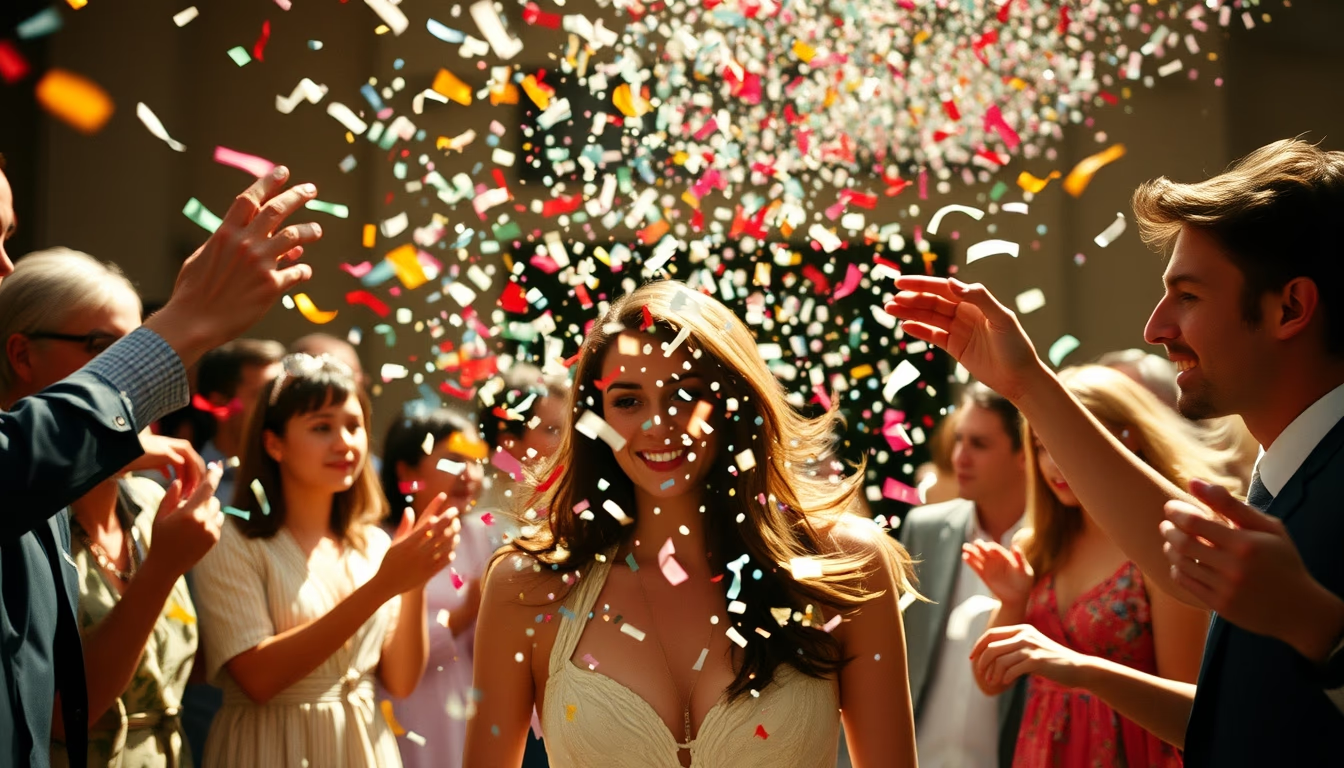
Colorful gift wrapping merges tradition and creativity in global celebrations, carrying cultural and emotional significance.
About this subject
The practice of wrapping gifts dates back centuries, with early examples in ancient China using silk and rice paper for offerings. In Japan, the art of furoshiki employs fabric to wrap objects, reflecting respect and sustainability. In the West, printed paper and colorful ribbons became popular in the 19th century with industrial production. Today, elaborate wrapping is essential for celebrations like Christmas, birthdays, and weddings, symbolizing care and anticipation.
Each culture has unique styles: in South Korea, vibrant bojagi patchwork cloths convey good luck; in Mexico, papel picado (perforated paper) decorates gifts during Day of the Dead. In Brazil, tropical tones and ribbons are common, and reusing packaging gains traction in eco-conscious communities. Materials range from recycled paper to wooden boxes, depending on the occasion and budget.
By 2024, sustainable wrapping trends are rising: fabric scraps, old newspapers, and biodegradable materials replace plastic. A survey by Instituto Akatu found that 47% of Brazilians prefer eco-friendly gift wraps. Moreover, minimalist design with personal touches like stamps or hand-drawn illustrations enhances the gifting experience without excess.
The psychology of wrapping is also studied: a well-wrapped gift increases perceived value and emotional anticipation. Marketing experts note that tearing paper or opening a box creates a sensory narrative that sets expectations. Thus, wrapping is not merely protective but an integral part of the giving ritual.
Frequently Asked Questions
What is the origin of gift wrapping?
The practice dates back to ancient China, where silk and rice paper were used for imperial gifts. In Japan, furoshiki (fabric wrapping) emerged in the Nara period (710, 794 AD).
Why are colorful wraps common in celebrations?
Bright colors symbolize joy, prosperity, and good energy. Meanings vary: red for luck in China, gold for wealth in the West, and tropical hues for festive mood in Brazil.
How to wrap gifts sustainably?
Use reusable fabrics (furoshiki technique), newspapers, magazines, or recycled paper. Avoid plastic ribbons; replace with natural twine or cotton bows. Add natural elements like rosemary sprigs or dried flowers.
Direct URL
https://pub-c7d6a6ea828543ac903a74a341ccb2e1.r2.dev/imagens/gift-boxes-wrapped-colorful-documentary-photography-p3.avifHow to credit
Include a visible link back to UtilizAí. Copy one of the snippets below:
<a href="https://xn--utiliza-eza.com/en/midia/imagens/gift-boxes-wrapped-colorful-documentary-photography-p3">Gift boxes wrapped colorful</a> by <a href="https://xn--utiliza-eza.com">UtilizAí</a>, licensed under <a href="https://creativecommons.org/licenses/by/4.0/">CC BY 4.0</a>.
[Gift boxes wrapped colorful](https://xn--utiliza-eza.com/en/midia/imagens/gift-boxes-wrapped-colorful-documentary-photography-p3) by [UtilizAí](https://xn--utiliza-eza.com), CC BY 4.0
License: CC-BY-4.0