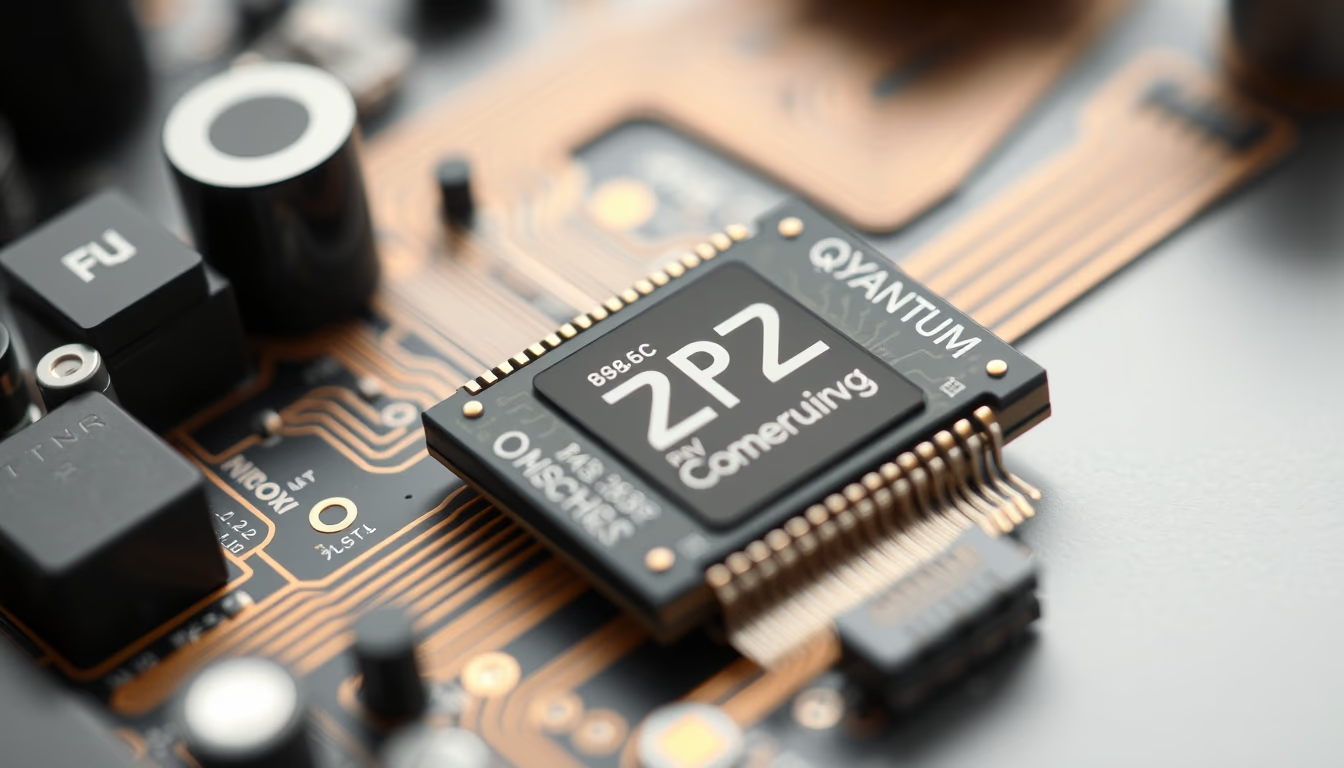
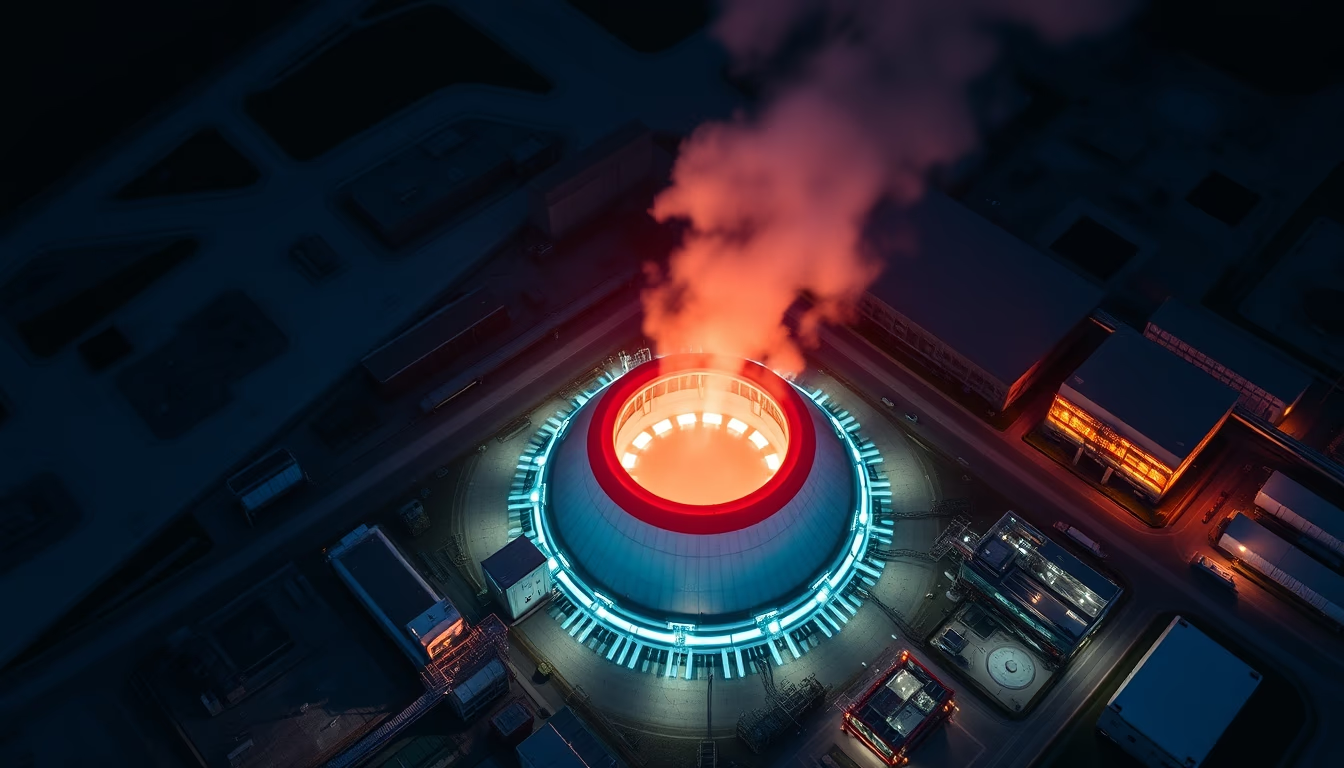
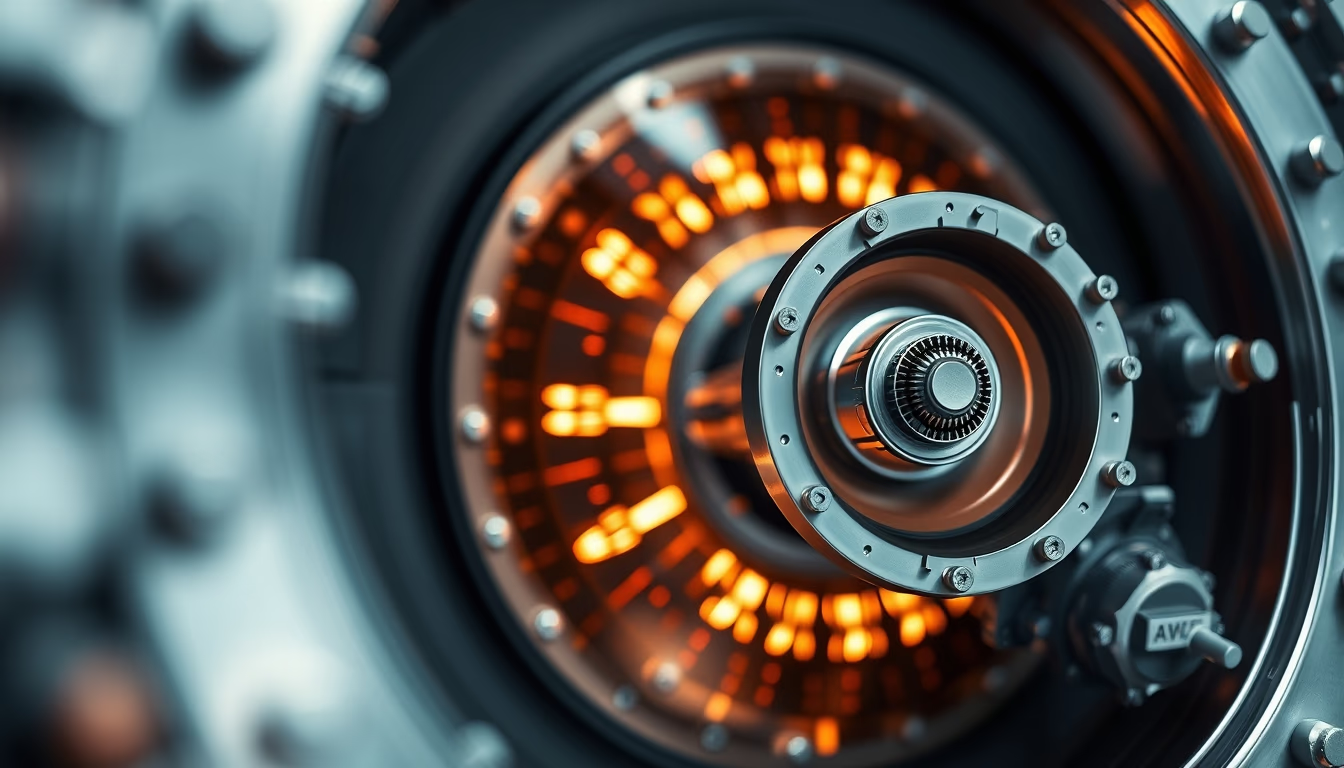
Fusion reactor tokamak
1344×768 · AVIF · CC BY 4.0
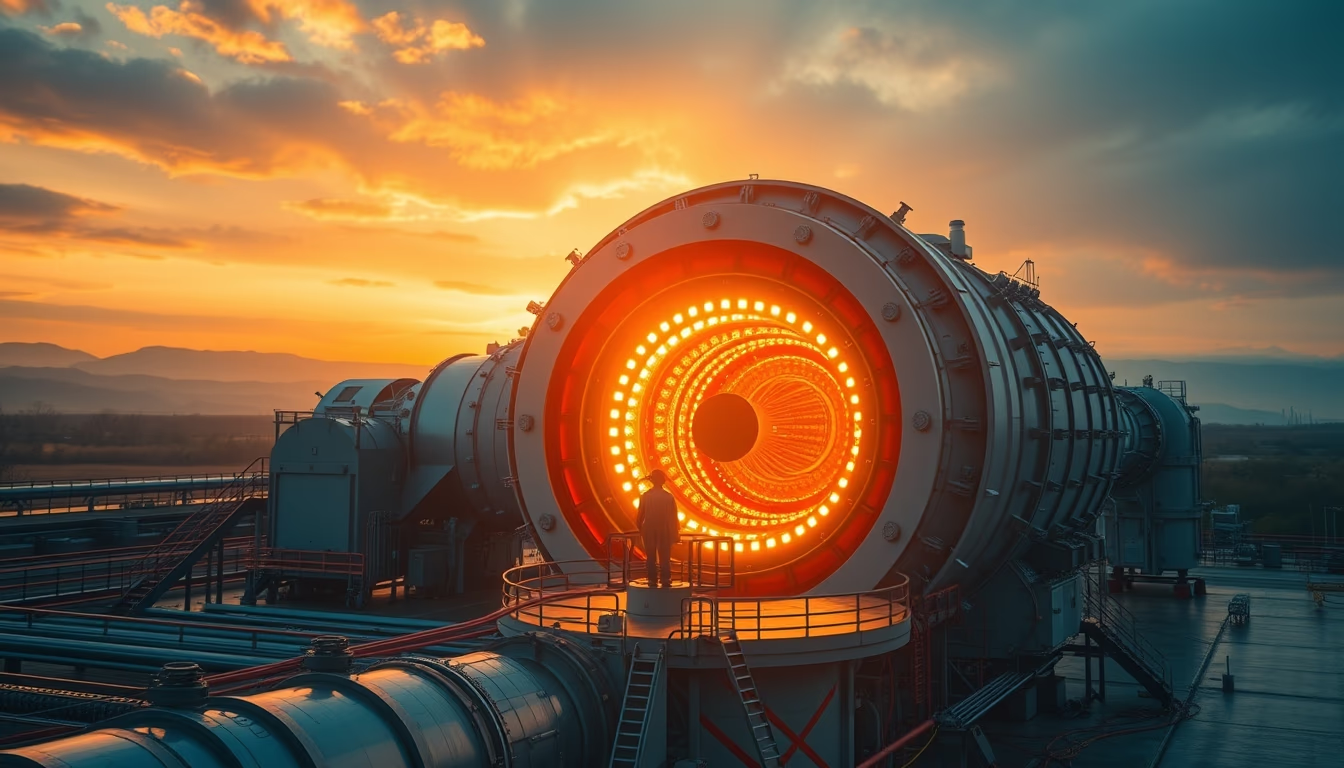
O tokamak é um dispositivo experimental de fusão nuclear que confina plasma em campos magnéticos toroidais, visando gerar energia limpa e abundante.
Sobre o tema
O tokamak é o tipo mais avançado de reator de fusão nuclear, uma tecnologia que busca replicar na Terra o processo que alimenta o Sol. Seu nome vem do acrônimo russo para 'câmara toroidal com bobinas magnéticas', e o primeiro protótipo foi construído na União Soviética na década de 1950. O princípio é confinar plasma extremamente quente (acima de 150 milhões de graus Celsius) dentro de um campo magnético em forma de rosquinha, impedindo que o material toque as paredes do reator.
Atualmente, o maior projeto de tokamak em construção é o ITER, na França, uma colaboração internacional que envolve 35 países. O ITER visa demonstrar a viabilidade comercial da fusão, produzindo 500 MW de potência a partir de apenas 50 MW de entrada. Outros tokamaks importantes incluem o JET no Reino Unido, que detém o recorde de energia de fusão gerada (16 MW em 1997), e o KSTAR na Coreia do Sul, que alcançou plasmas de 100 milhões de graus por mais de 20 segundos.
A fusão nuclear oferece vantagens significativas sobre a fissão: combustível virtualmente ilimitado (deutério da água do mar e trítio gerado a partir do lítio), sem risco de derretimento do núcleo e resíduos radioativos de curta duração. No entanto, o desafio técnico é imenso: manter o plasma estável por longos períodos e desenvolver materiais que suportem o bombardeio de nêutrons. Cientistas do MIT e da Commonwealth Fusion Systems estão testando ímãs supercondutores de alta temperatura, que podem reduzir o tamanho e o custo dos reatores.
No contexto brasileiro, o país participa do ITER através de contribuições tecnológicas e científicas. O Laboratório Nacional de Fusão (LNF) em São Paulo opera o tokamak TCABR, focado em estudos de turbulência e confinamento. Embora a fusão ainda esteja a décadas da implementação comercial, avanços recentes em supercondutores e inteligência artificial para controle de plasma aceleram o desenvolvimento.
Perguntas frequentes
Como funciona um tokamak?
Um tokamak aquece hidrogênio até o estado de plasma e usa potentes eletroímãs para confiná-lo em uma câmara toroidal. O plasma atinge temperaturas superiores a 150 milhões de graus, permitindo que os núcleos de deutério e trítio se fundam, liberando energia.
Qual a diferença entre fusão e fissão nuclear?
A fissão divide átomos pesados (como urânio), gerando resíduos radioativos de longa duração e risco de acidentes. A fusão une átomos leves (isótopos de hidrogênio), produzindo energia abundante com resíduos de curta duração e sem risco de meltdown.
Quando a fusão nuclear estará disponível comercialmente?
Especialistas estimam que os primeiros reatores de fusão comerciais possam operar entre 2040 e 2060. Projetos como ITER e SPARC (Commonwealth Fusion Systems) estão acelerando o cronograma, mas ainda há desafios técnicos significativos.
URL direta
https://pub-c7d6a6ea828543ac903a74a341ccb2e1.r2.dev/imagens/fusion-reactor-tokamak-cinematic-wide-shot-p9.avifComo creditar
Inclua um link visível de volta pro UtilizAí. Copie um dos snippets abaixo:
<a href="https://xn--utiliza-eza.com/midia/imagens/fusion-reactor-tokamak-cinematic-wide-shot-p9">Fusion reactor tokamak</a> by <a href="https://xn--utiliza-eza.com">UtilizAí</a>, licensed under <a href="https://creativecommons.org/licenses/by/4.0/">CC BY 4.0</a>.
[Fusion reactor tokamak](https://xn--utiliza-eza.com/midia/imagens/fusion-reactor-tokamak-cinematic-wide-shot-p9) by [UtilizAí](https://xn--utiliza-eza.com), CC BY 4.0
Licença: CC-BY-4.0