Frozen waterfall iceland
1344×768 · AVIF · CC BY 4.0
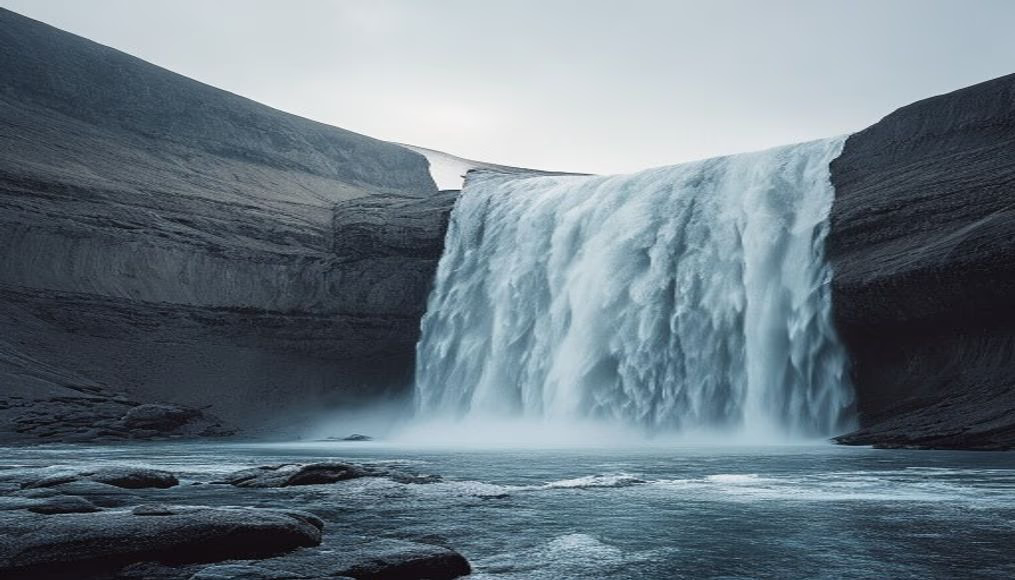
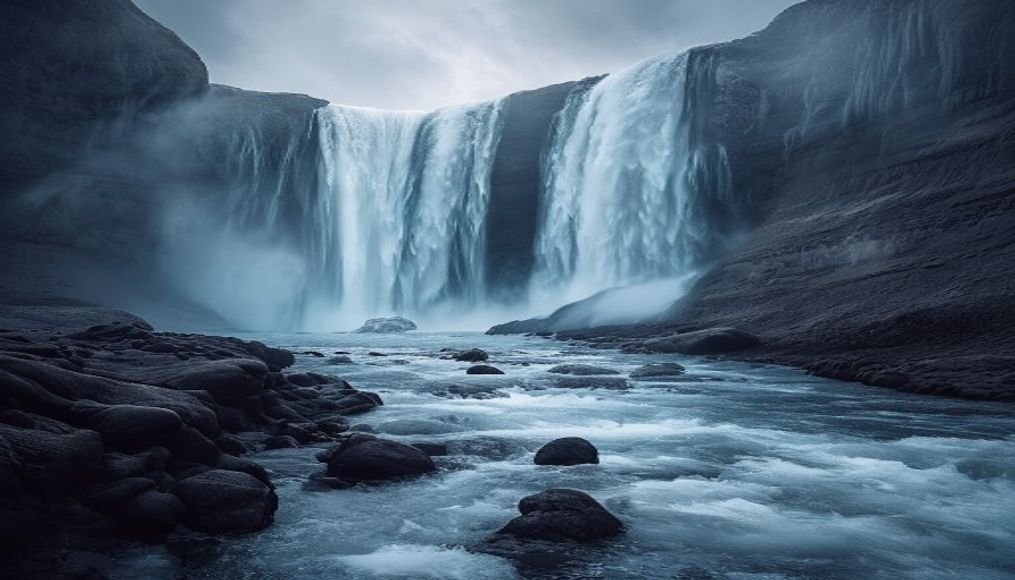
Frozen waterfalls in Iceland create ephemeral natural spectacles during winter, attracting photographers and tourists.
About this subject
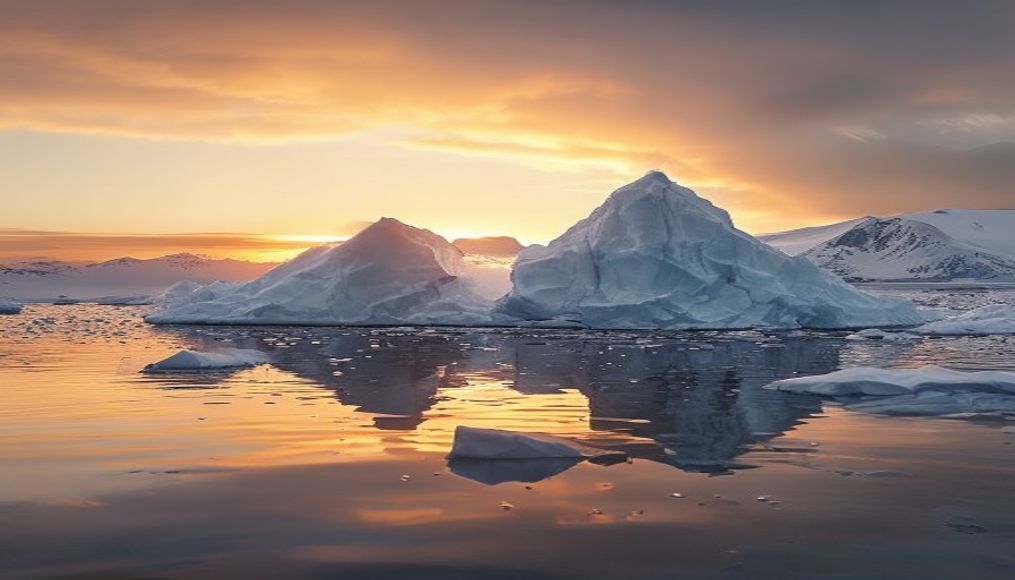
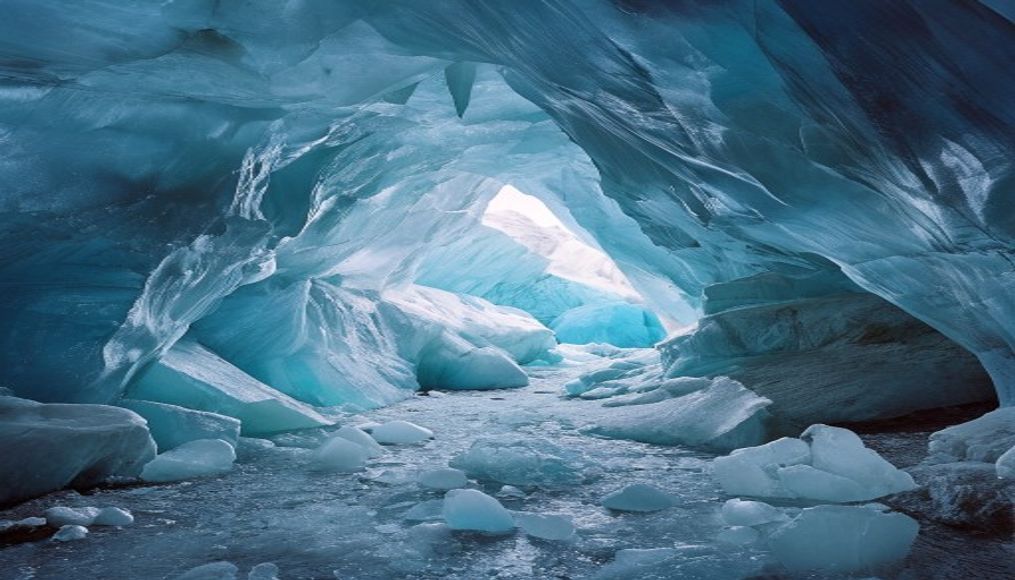
Frozen waterfalls are among the most striking phenomena of the Icelandic winter. With temperatures frequently dropping below freezing between November and March, many of the country's waterfalls partially or fully freeze, forming curtains of ice, stalactites, and natural sculptures. Unlike permanently frozen regions such as Antarctica, the ice on Icelandic waterfalls is seasonal and unstable, potentially melting with rising temperatures or local geothermal activity.
Iceland boasts over 10,000 waterfalls, many in volcanic areas. The combination of running water, basalt, and subarctic climate creates unique freezing conditions. Famous examples include Seljalandsfoss, which can be visited from behind even in winter, and Skógafoss, whose mist freezes onto surrounding rocks. However, smaller waterfalls in regions like Thingvellir National Park or the Highlands offer opportunities for more intimate, minimalist views of the ice.
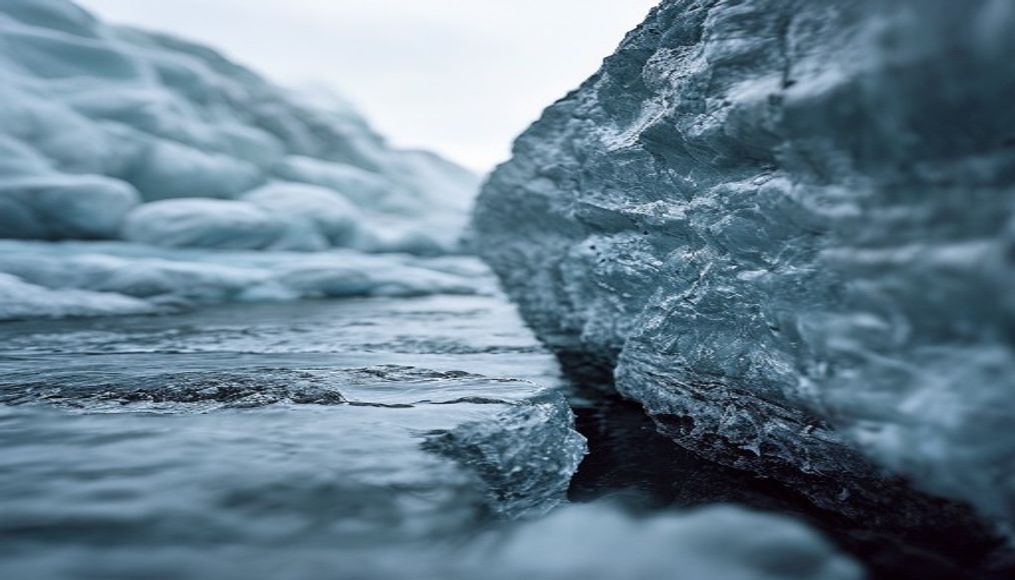
Ice formation depends on several factors: water flow, air temperature, wind, and sun exposure. When flow is low and temperatures are sufficiently cold, water can freeze completely, creating motionless waterfalls for days or weeks. These scenes are especially prized by photographers seeking minimalist compositions, highlighting ice textures and transparency. The phenomenon also attracts scientists interested in natural cryogenics and ice erosion processes.
Culturally, frozen waterfalls have become icons of Icelandic winter tourism. Although the country is known for the Northern Lights and volcanoes, the icy waterfalls provide a unique visual experience. It's important to note that access requires caution: ice can be slippery and unstable, and some trails close in extreme conditions. Local guides recommend proper equipment such as crampons and thermal clothing.
Frequently Asked Questions
What is the best time to see frozen waterfalls in Iceland?
Winter, from November to March, offers the lowest temperatures. January and February are the months with the highest likelihood of complete freezing.
Do all Icelandic waterfalls freeze in winter?
No. High-flow waterfalls like Gullfoss and Dettifoss rarely freeze completely, but they form ice at the edges. Smaller waterfalls with low flow freeze more frequently.
Is it safe to approach a frozen waterfall?
Caution is needed. The ice can be slippery and the terrain unstable. Only access marked areas and use equipment like crampons. Avoid standing under hanging icicles.
Direct URL
https://pub-c7d6a6ea828543ac903a74a341ccb2e1.r2.dev/imagens/frozen-waterfall-iceland-minimalist-composition-p3.avifHow to credit
Include a visible link back to UtilizAí. Copy one of the snippets below:
<a href="https://xn--utiliza-eza.com/en/midia/imagens/frozen-waterfall-iceland-minimalist-composition-p3">Frozen waterfall iceland</a> by <a href="https://xn--utiliza-eza.com">UtilizAí</a>, licensed under <a href="https://creativecommons.org/licenses/by/4.0/">CC BY 4.0</a>.
[Frozen waterfall iceland](https://xn--utiliza-eza.com/en/midia/imagens/frozen-waterfall-iceland-minimalist-composition-p3) by [UtilizAí](https://xn--utiliza-eza.com), CC BY 4.0
License: CC-BY-4.0