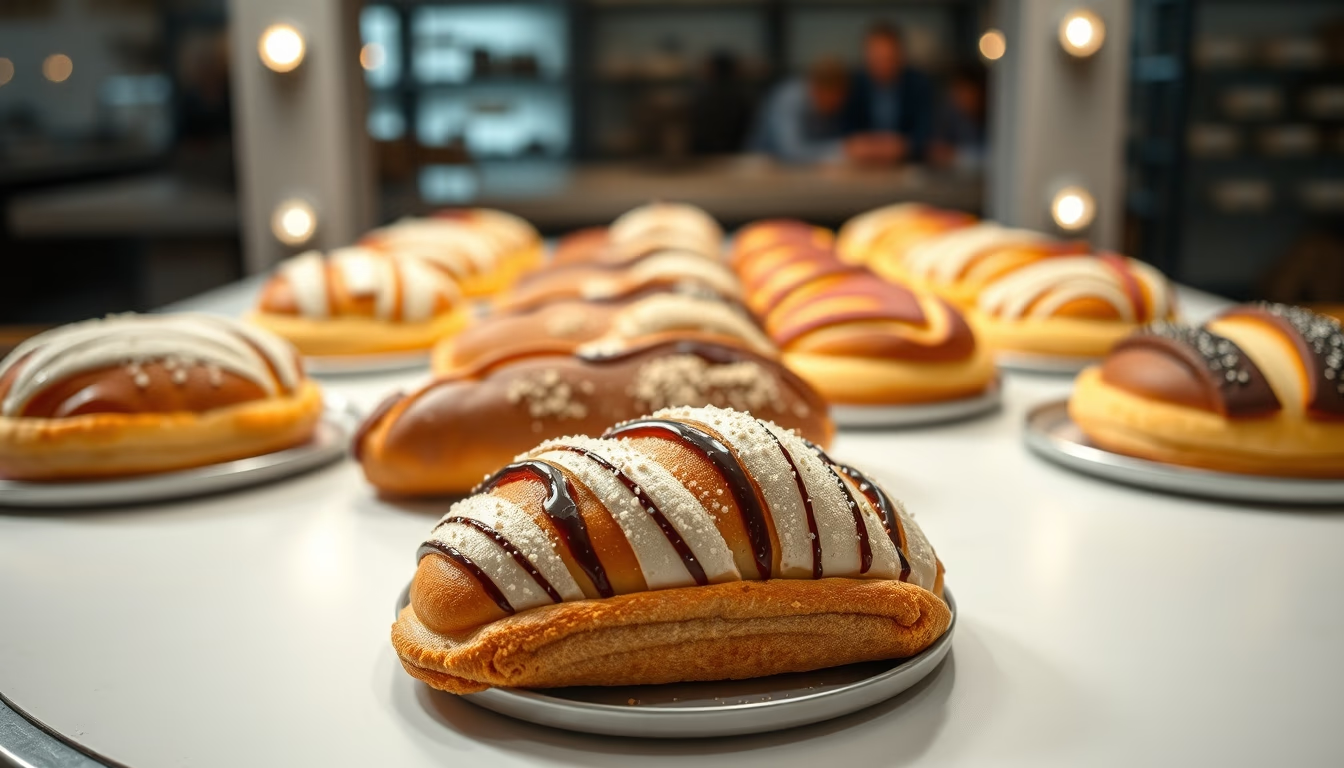
French pastries display
1344×768 · AVIF · CC BY 4.0
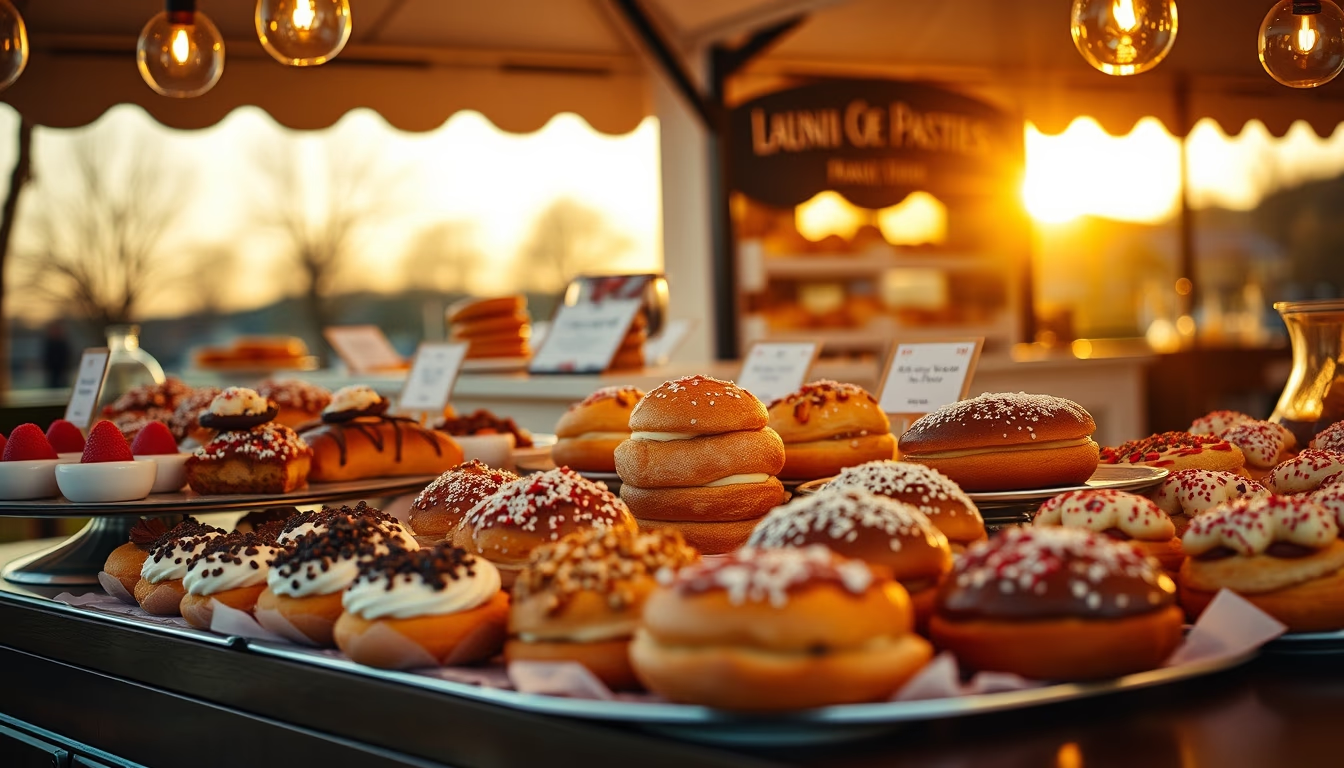
The French pastry display showcases classics like croissant, éclair, and macaron, symbols of haute pâtisserie and France's gastronomic culture.
About this subject
French pastry is one of the most respected in the world, with techniques dating back to the 17th century. The typical display includes the croissant, a flaky, buttery pastry shaped like a crescent, inspired by the Austrian kipferl and popularized in Paris in the 19th century. Another icon is the éclair, an elongated choux pastry filled with cream and topped with icing, which emerged around the 1860s. The macaron, made from egg whites, sugar, and almond flour, was introduced to the French court by Catherine de Medici, but its modern version with filling became famous in the 20th century thanks to houses like Ladurée.
Presentation in a display case is an art: pastries are arranged to highlight colors, textures, and symmetry. Besides the classics, there are pain au chocolat (chocolate bread), mille-feuille (thousand leaves), and tarte Tatin (upside-down apple tart). Each French region contributes specialties, such as canelé from Bordeaux or galette des Rois from the south. French pastry demands precision in ingredients like high-quality butter and wheat flour.
Culturally, pâtisserie is part of breakfast and afternoon snacks in France. French law regulates artisanal production, protecting terms like "boulangerie" and "pâtisserie". In 2010, UNESCO recognized the French gastronomic meal as intangible heritage, including pastry. The global popularity of these sweets has led to adaptations, but the original versions remain the benchmark.
Frequently Asked Questions
What is the difference between a croissant and a pain au chocolat?
Both are made from laminated dough, but the croissant is plain, while pain au chocolat contains chocolate bars inside. In France, pain au chocolat is called "chocolatine" in some regions.
Are macarons gluten-free?
Yes, traditional macarons are naturally gluten-free, as they are made with almond flour, egg whites, and sugar. However, some fillings may contain gluten, so it's important to check.
What is the origin of the éclair?
The éclair originated in France in the 19th century, evolving from a pastry called "pain à la duchesse". Its name means "lightning" in French, possibly because it is eaten quickly.
Direct URL
https://pub-c7d6a6ea828543ac903a74a341ccb2e1.r2.dev/imagens/french-pastries-display-cinematic-wide-shot-fresh4.avifHow to credit
Include a visible link back to UtilizAí. Copy one of the snippets below:
<a href="https://xn--utiliza-eza.com/en/midia/imagens/french-pastries-display-cinematic-wide-shot-fresh4">French pastries display</a> by <a href="https://xn--utiliza-eza.com">UtilizAí</a>, licensed under <a href="https://creativecommons.org/licenses/by/4.0/">CC BY 4.0</a>.
[French pastries display](https://xn--utiliza-eza.com/en/midia/imagens/french-pastries-display-cinematic-wide-shot-fresh4) by [UtilizAí](https://xn--utiliza-eza.com), CC BY 4.0
License: CC-BY-4.0