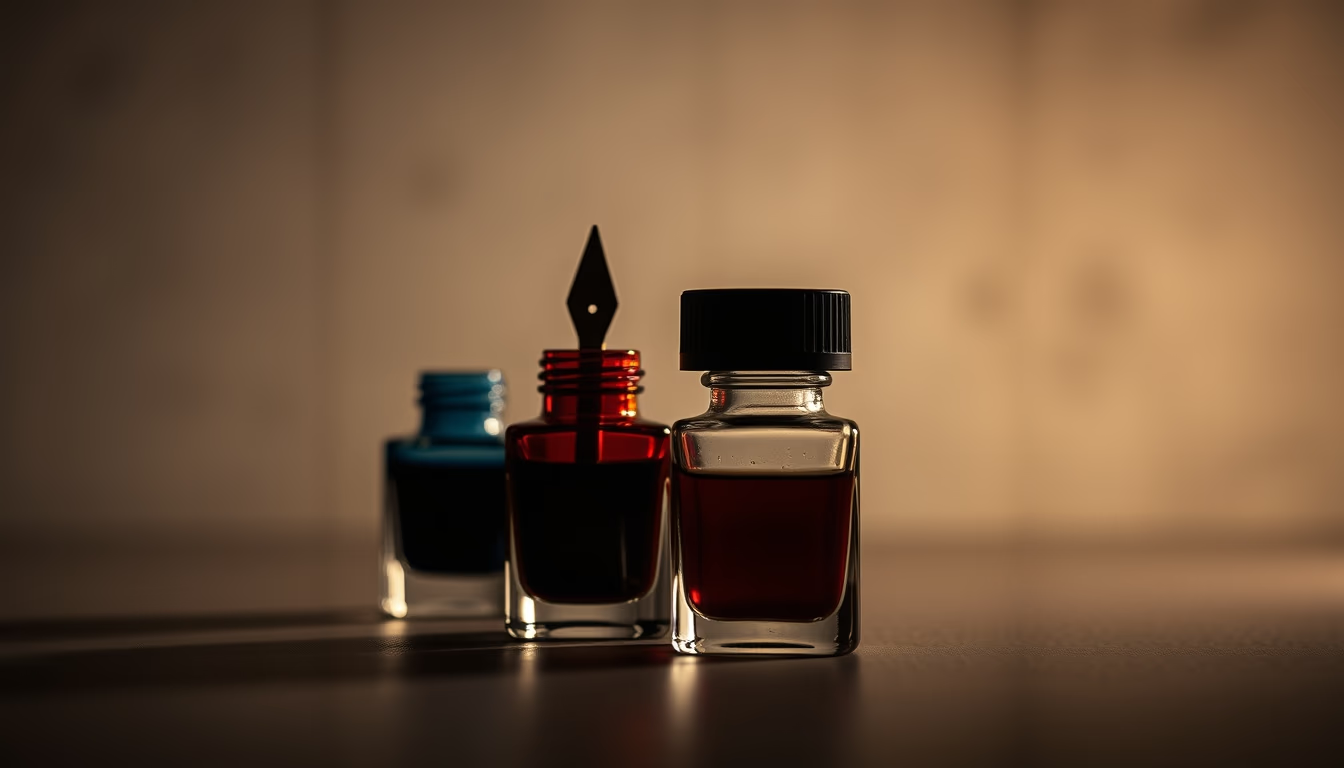
Fountain pen ink bottles
1344×768 · AVIF · CC BY 4.0
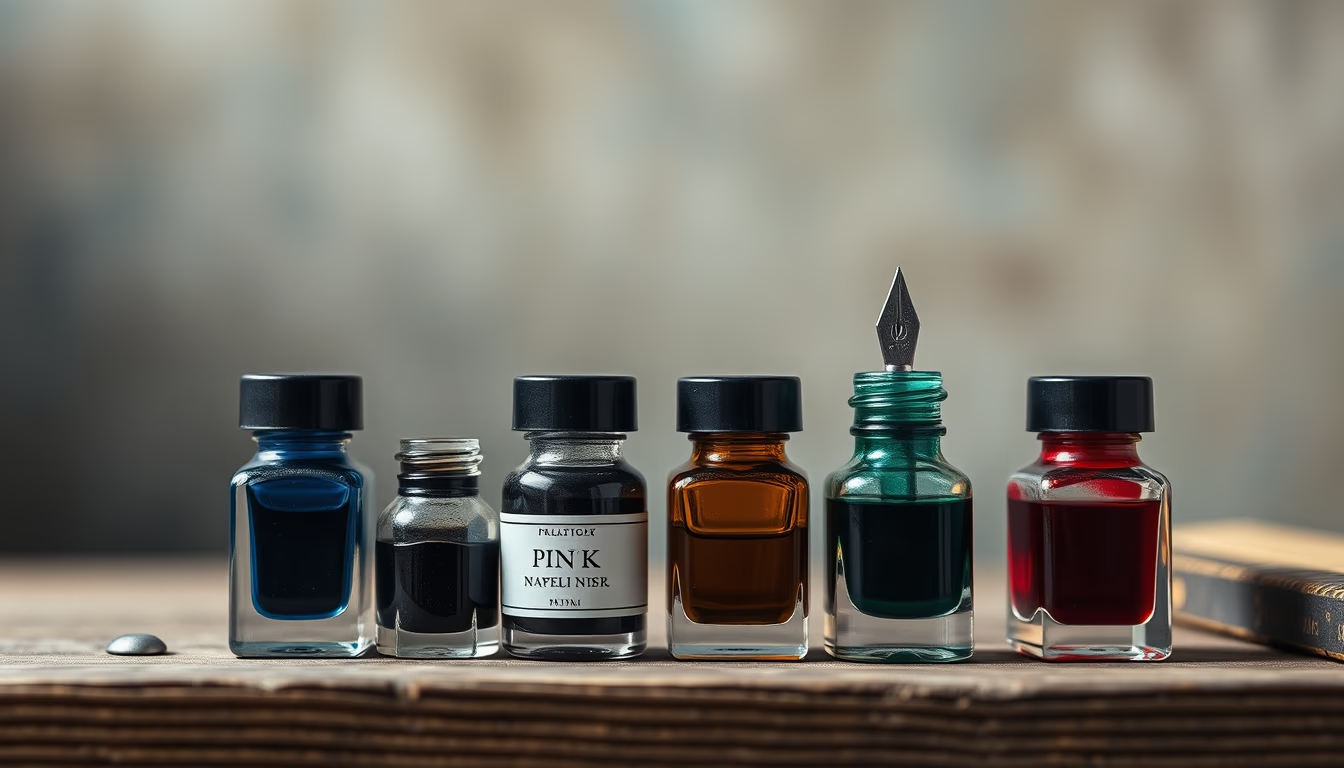
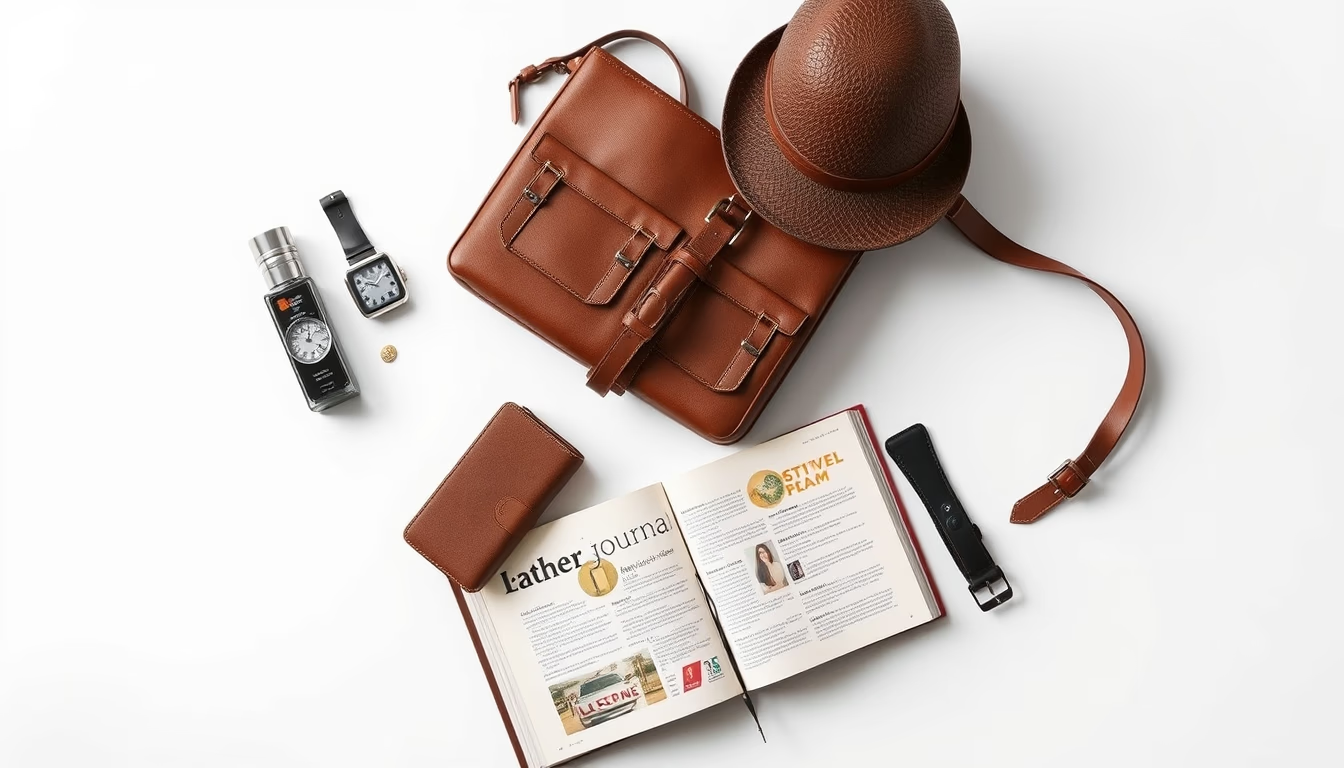
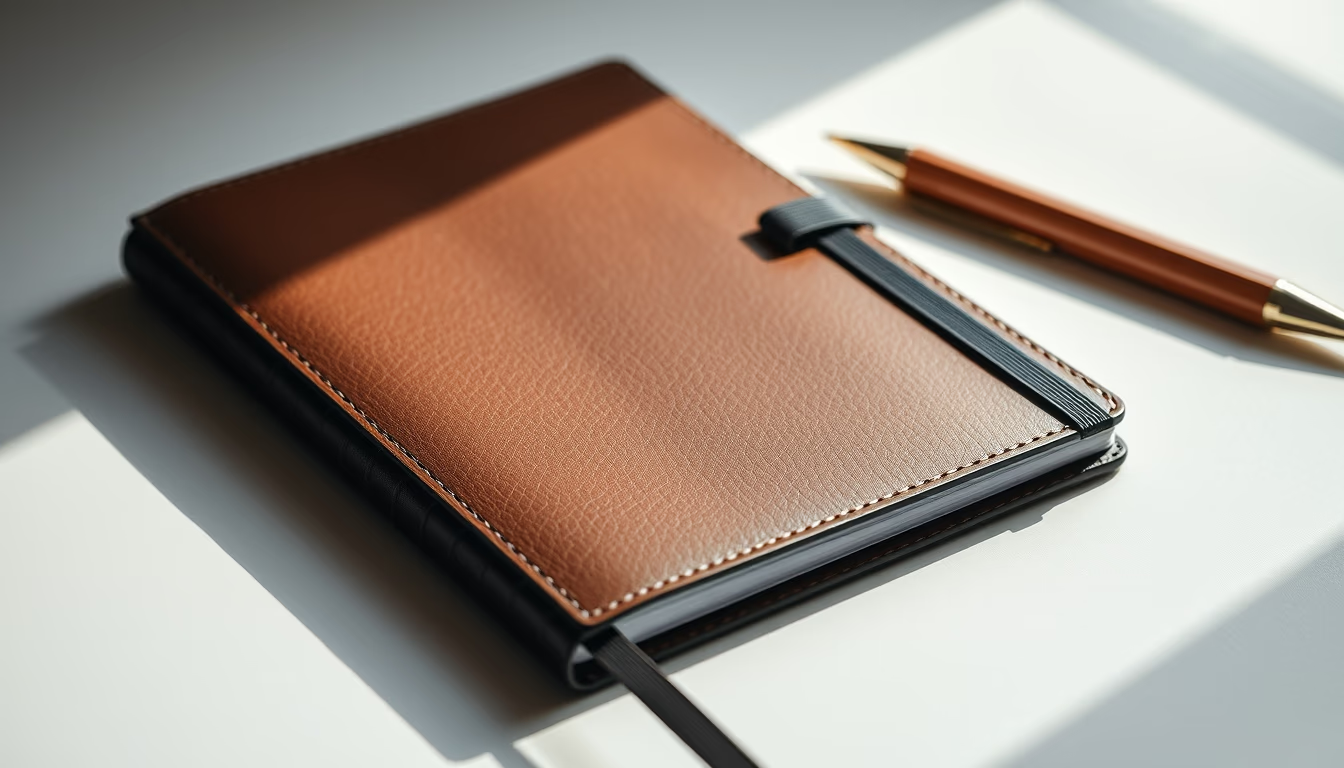
Frasco de tinta para caneta-tinteiro: objetos de coleção que combinam tradição, química e arte da escrita manual.
Sobre o tema
Os frascos de tinta para caneta-tinteiro são recipientes que armazenam um dos elementos mais essenciais para a escrita manual refinada. Diferentemente das tintas comuns, as tintas para caneta-tinteiro são formuladas com solventes à base de água e corantes especiais, garantindo fluidez adequada e prevenindo entupimentos nos delicados alimentadores das penas. A história desses frascos remonta ao século XIX, quando a produção em massa de canetas-tinteiro exigiu embalagens que preservassem a qualidade da tinta e facilitassem o reabastecimento. Marcas como Pilot, Waterman, Parker e Montblanc não apenas desenvolveram fórmulas icônicas, mas também criaram designs de frascos que se tornaram objetos de desejo, como o clássico frasco de tinta Parker Quink com sua forma cônica e base larga.
Para os entusiastas, colecionar frascos de tinta é quase tão apaixonante quanto a própria escrita. Existem centenas de cores, desde os tradicionais azuis e pretos até tons exóticos como verde musgo, laranja queimado, violeta profundo ou vermelho dragão. Marcas independentes, como Noodler's, Diamine e Robert Oster, produzem séries limitadas que exploram propriedades únicas: tintas com brilho metálico (shimmer), que mudam de cor ao secar (sheen) ou que são resistentes à água (waterproof). Alguns frascos possuem formatos especiais, como o frasco de tinta Visconti com um design retangular e tampa de madeira, ou os mini-frascos de trama Iroshizuku da Pilot, lembrando gotas de orvalho.
Além da funcionalidade, esses frascos representam um nicho cultural que valoriza o ritual da escrita à mão. Em tempos digitais, o ato de encher uma caneta com tinta de um frasco concebido com estética e química cuidadosas transforma-se em um pequeno momento de contemplação. Feiras de canetas e grupos online dedicados à troca de amostras e discussões sobre desempenho das tintas ilustram uma comunidade vibrante. No Brasil, a cultura da caneta-tinteiro tem crescido, com lojas especializadas e eventos como o Encontro de Colecionadores de Canetas-Tinteiro em São Paulo.
Curiosamente, alguns frascos de tinta são verdadeiras obras de engenharia: o frasco de tinta Montblanc possui um reservatório interno que facilita a sucção da tinta sem expor todo o conteúdo ao ar. Já os frascos da marca alemã Pelikan, com seu design de tampa de rosca larga e corpo de vidro grosso, permitem que a caneta seja mergulhada até a seção, otimizando o enchimento. A composição química também evoluiu: tintas modernas geralmente têm pH neutro para não danificar os alimentadores, e algumas incorporam lubrificantes para reduzir o atrito da pena no papel.
Perguntas frequentes
Como escolher a tinta ideal para minha caneta-tinteiro?
Considere o tipo de pena (ouro ou aço), o uso diário ou ocasional, e a cor desejada. Tintas com shimmer ou sheen podem exigir canetas de fácil limpeza. Evite tintas com pigmentos em canetas antigas ou delicadas.
Tintas de caneta-tinteiro podem danificar a caneta?
Tintas de baixa qualidade ou com componentes químicos agressivos podem entupir o alimentador ou corroer partes plásticas. Sempre use tintas específicas para caneta-tinteiro, de marcas confiáveis, e faça limpezas periódicas.
O que são tintas com sheen e shimmer?
Sheen é um efeito iridescente que aparece quando a tinta seca em papel de alta gramatura; shimmer são partículas metálicas que dão brilho. Ambos são populares entre colecionadores, mas exigem canetas de fluxo generoso e limpeza frequente.
URL direta
https://pub-c7d6a6ea828543ac903a74a341ccb2e1.r2.dev/imagens/fountain-pen-ink-bottles-documentary-nature-style-fresh1.avifComo creditar
Inclua um link visível de volta pro UtilizAí. Copie um dos snippets abaixo:
<a href="https://xn--utiliza-eza.com/midia/imagens/fountain-pen-ink-bottles-documentary-nature-style-fresh1">Fountain pen ink bottles</a> by <a href="https://xn--utiliza-eza.com">UtilizAí</a>, licensed under <a href="https://creativecommons.org/licenses/by/4.0/">CC BY 4.0</a>.
[Fountain pen ink bottles](https://xn--utiliza-eza.com/midia/imagens/fountain-pen-ink-bottles-documentary-nature-style-fresh1) by [UtilizAí](https://xn--utiliza-eza.com), CC BY 4.0
Licença: CC-BY-4.0