Forest bathing path
1344×768 · AVIF · CC BY 4.0
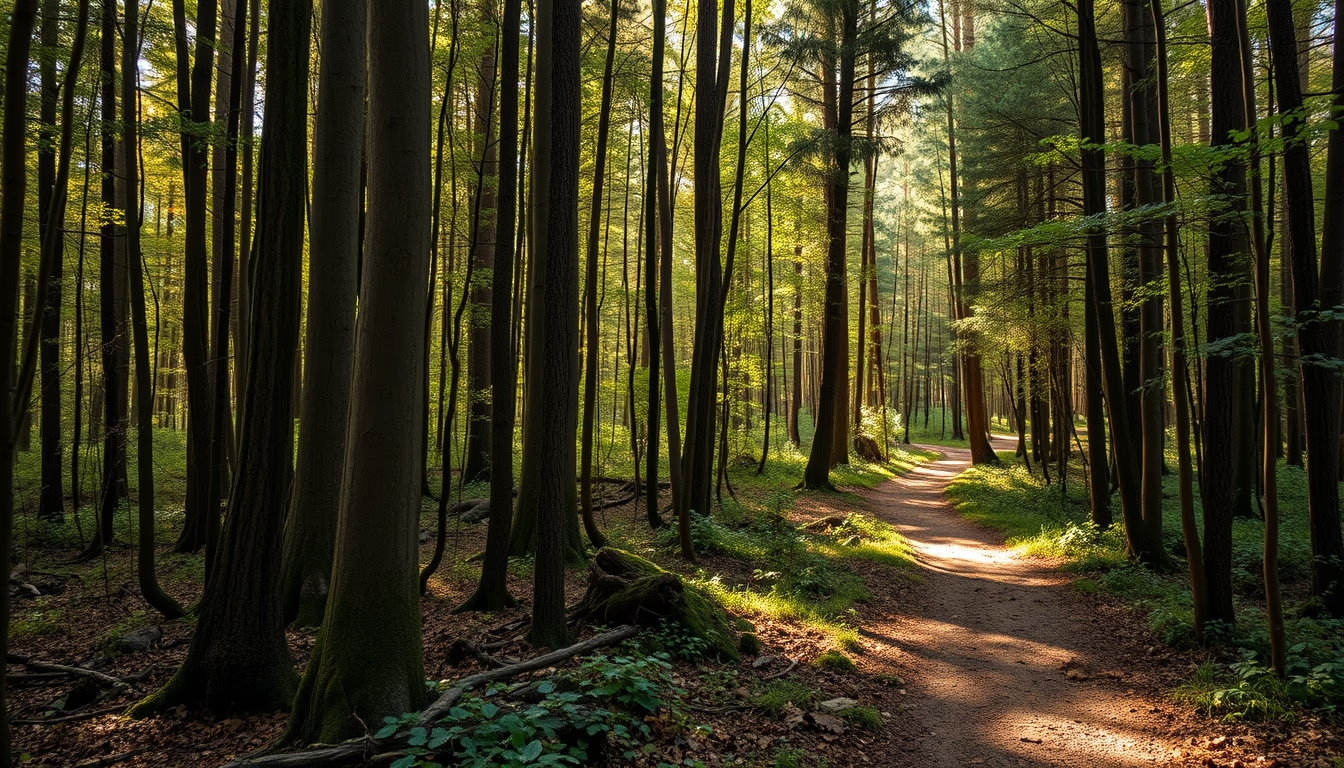
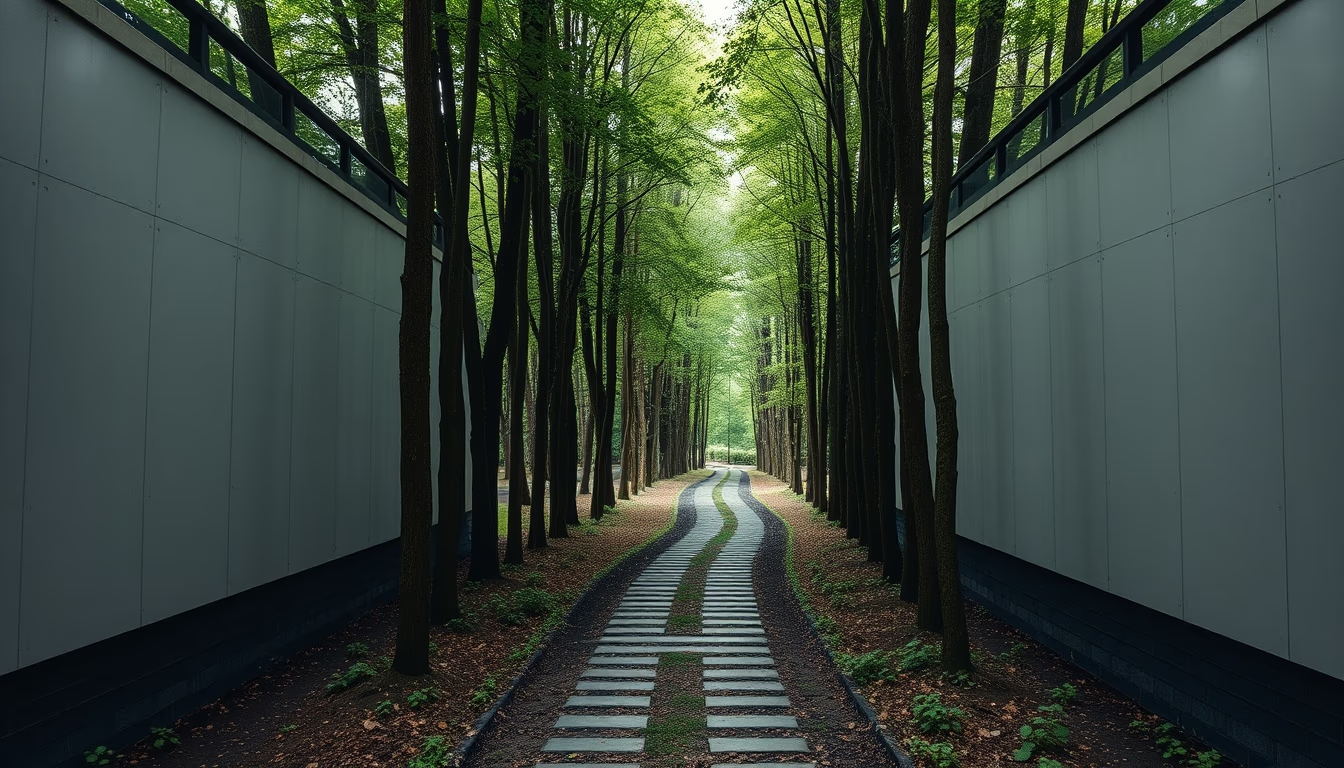
Forest bathing paths, inspired by Japanese shinrin-yoku, are trails designed to stimulate sensory connection with nature and promote health and well-being.
About this subject
The concept of forest bathing, or shinrin-yoku, originated in Japan in the 1980s as a preventive therapeutic practice. Trails specifically designed for this activity are planned to facilitate sensory immersion: soft surfaces, gentle curves, stopping points for contemplation, and natural elements such as waterfalls or clearings. Studies conducted by Chiba University have shown that walking along these paths reduces cortisol levels, improves mood, and strengthens the immune system, with increased activity of NK (natural killer) cells.
Globally, the movement has gained momentum with the certification of therapeutic forests in countries such as South Korea, Finland, and the United States. In Brazil, the practice is growing in protected areas like the Tinguá Reserve (RJ) and Tijuca Forest, as well as initiatives in the countryside of São Paulo and the Serra Gaúcha region. A Brazilian peculiarity is the incorporation of local flora, such as ipê trees and bromeliads, which enrich the sensory experience with specific colors and aromas.
The effectiveness of forest bathing is linked to the presence of phytoncides, volatile compounds released by trees that act on the parasympathetic nervous system. Winding paths with no distance or time goals allow the practitioner to slow down and practice mindfulness. The World Health Organization (WHO) recognizes green areas as health determinants, and forest bathing trails are a structured way to access these benefits, especially in urban settings.
Frequently Asked Questions
What is forest bathing?
Forest bathing, or shinrin-yoku, is a Japanese practice of slowly walking along a forest trail, using all senses to absorb the forest atmosphere. It is not physical exercise but a sensory immersion that promotes relaxation and well-being.
What are the proven benefits of forest bathing?
Research indicates reduced cortisol levels (stress hormone), improved mood, strengthened immune system (increased NK cells), and lowered blood pressure. The practice also helps alleviate anxiety and mental fatigue.
Where can I practice forest bathing in Brazil?
In Brazil, dedicated trails exist in conservation units such as Tijuca Forest (RJ), Tinguá Reserve (RJ), and state parks in São Paulo and Rio Grande do Sul. Many cities also offer urban circuits in wooded parks, such as Ibirapuera Park (SP) and the Botanical Garden (Curitiba).
Direct URL
https://pub-c7d6a6ea828543ac903a74a341ccb2e1.r2.dev/imagens/forest-bathing-path-fine-art-photography-p0.avifHow to credit
Include a visible link back to UtilizAí. Copy one of the snippets below:
<a href="https://xn--utiliza-eza.com/en/midia/imagens/forest-bathing-path-fine-art-photography-p0">Forest bathing path</a> by <a href="https://xn--utiliza-eza.com">UtilizAí</a>, licensed under <a href="https://creativecommons.org/licenses/by/4.0/">CC BY 4.0</a>.
[Forest bathing path](https://xn--utiliza-eza.com/en/midia/imagens/forest-bathing-path-fine-art-photography-p0) by [UtilizAí](https://xn--utiliza-eza.com), CC BY 4.0
License: CC-BY-4.0