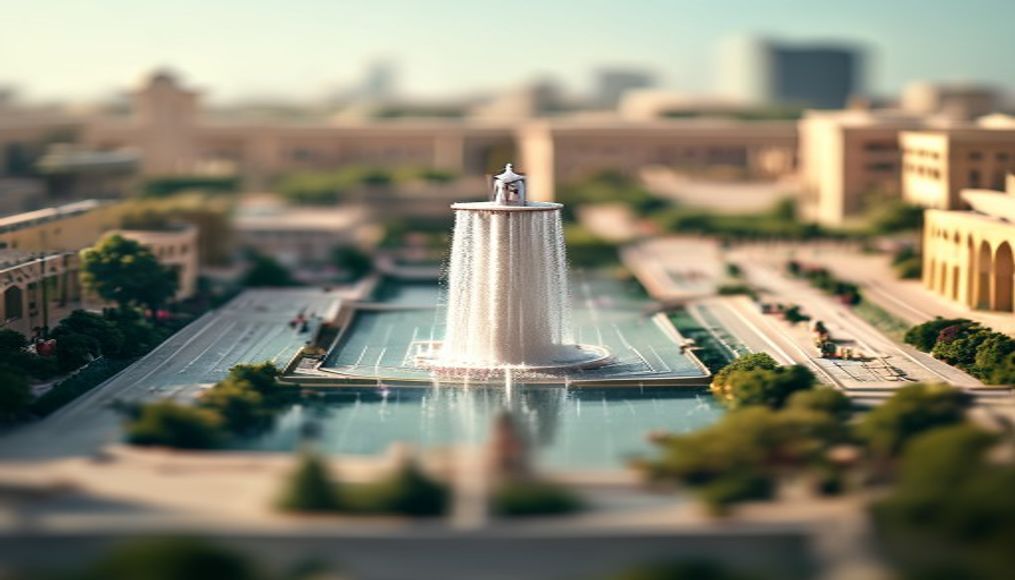
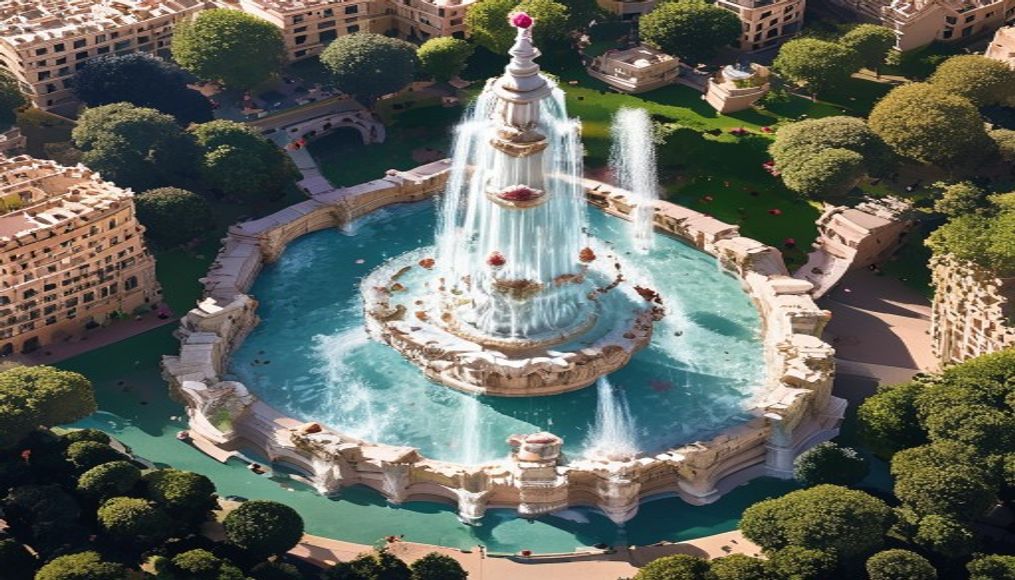
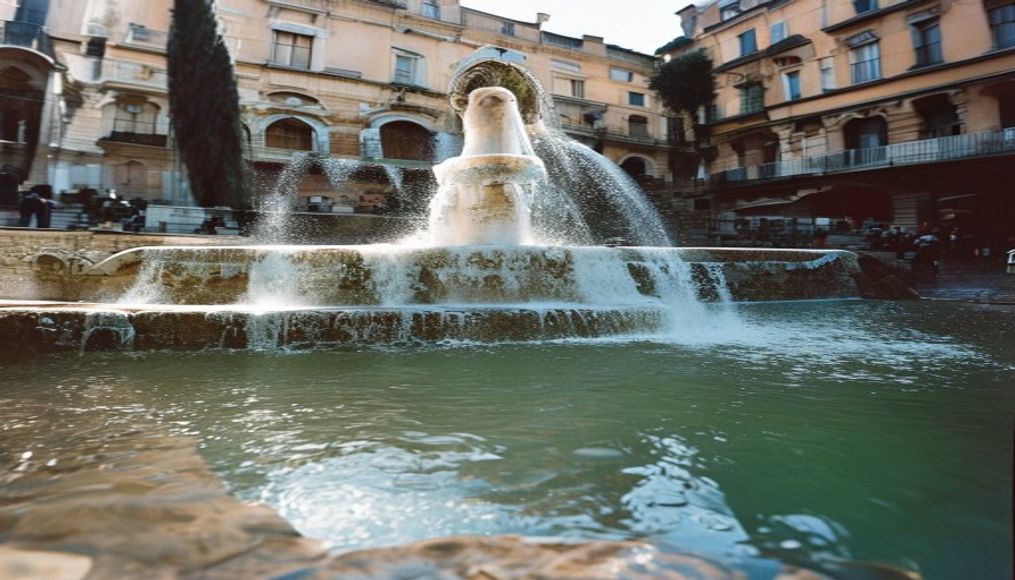
Fontana plaza navona
1344×768 · JPG · CC BY 4.0
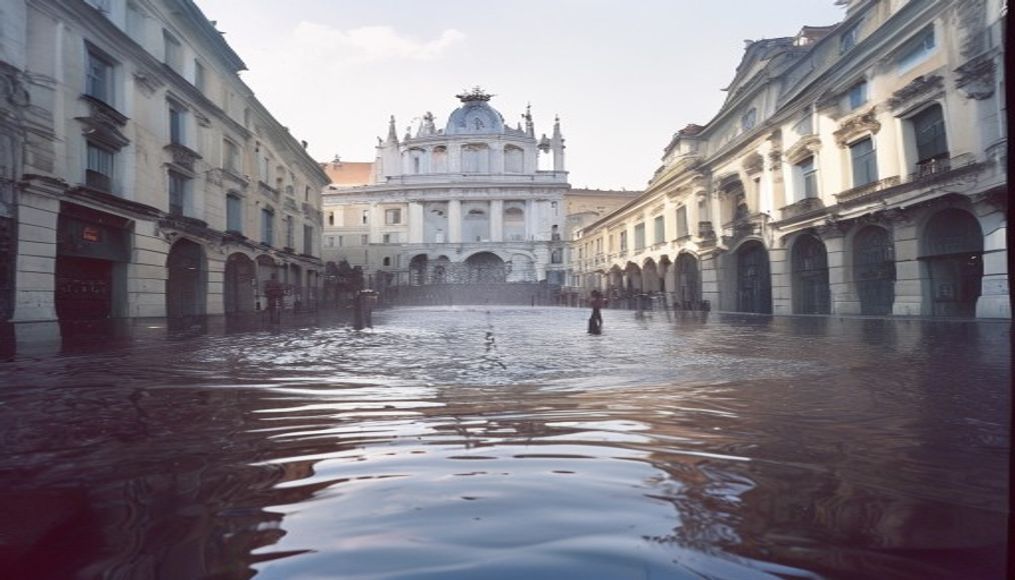
The Fountain of the Four Rivers, a masterpiece by Bernini in Piazza Navona, symbolizes the Baroque and papal power.
About this subject
The Fountain of the Four Rivers (Fontana dei Quattro Fiumi) was designed by Gian Lorenzo Bernini between 1648 and 1651, commissioned by Pope Innocent X. It represents the four great rivers of the known world at the time: the Nile (Africa), the Ganges (Asia), the Danube (Europe), and the Río de la Plata (Americas). Each river is personified by a robust male figure carved in travertine, supporting an Egyptian obelisk (the Obelisco Agonale) in the center of the basin. Originally, the fountain stood on the site of the former Stadium of Domitian, and the square retains the oval shape of the ancient circus.
The choice of rivers was deliberate: the Nile's source was then unknown (hence the figure covers its face), the Ganges represented Asia and its abundant waters, the Danube symbolized Christian Europe, and the Río de la Plata referenced the New World. The Río de la Plata figure holds a coin (from 'plata,' meaning silver), while the Danube touches the papal coat of arms. The obelisk is covered with heraldic symbols of the Pamphili family, the pope's family.
Piazza Navona is one of Rome's most iconic public spaces, home to other fountains like the Fontana del Moro and the Neptune Fountain, as well as the church of Sant'Agnese in Agone. The square is famous for its lively cultural scene, Christmas markets, and street artists. Bernini's fountain was hailed as a triumph of Baroque sculpture, combining movement, drama, and symbolism.
A curious fact: legend says Bernini and his rival Borromini competed for projects in the square, but the fountain is solely by Bernini. The obelisk was brought from the Circus Maximus and originally belonged to Emperor Caracalla. The fountain was restored in 2020 and remains a top Roman attraction.
Frequently Asked Questions
Who designed the Fountain of the Four Rivers?
The fountain was designed by Baroque sculptor and architect Gian Lorenzo Bernini between 1648 and 1651.
What do the four figures in the fountain represent?
Each figure personifies a major river of the then-known continents: the Nile (Africa), Ganges (Asia), Danube (Europe), and Río de la Plata (Americas).
Why does the Nile figure cover its face?
At the time of creation, the sources of the Nile were unknown, so Bernini sculpted the figure with its face covered to symbolize this mystery.
Direct URL
https://pub-c7d6a6ea828543ac903a74a341ccb2e1.r2.dev/imagens/fontana-plaza-navona-lo-fi-disposable-camera-p3.jpgHow to credit
Include a visible link back to UtilizAí. Copy one of the snippets below:
<a href="https://xn--utiliza-eza.com/en/midia/imagens/fontana-plaza-navona-lo-fi-disposable-camera-p3">Fontana plaza navona</a> by <a href="https://xn--utiliza-eza.com">UtilizAí</a>, licensed under <a href="https://creativecommons.org/licenses/by/4.0/">CC BY 4.0</a>.
[Fontana plaza navona](https://xn--utiliza-eza.com/en/midia/imagens/fontana-plaza-navona-lo-fi-disposable-camera-p3) by [UtilizAí](https://xn--utiliza-eza.com), CC BY 4.0
License: CC-BY-4.0