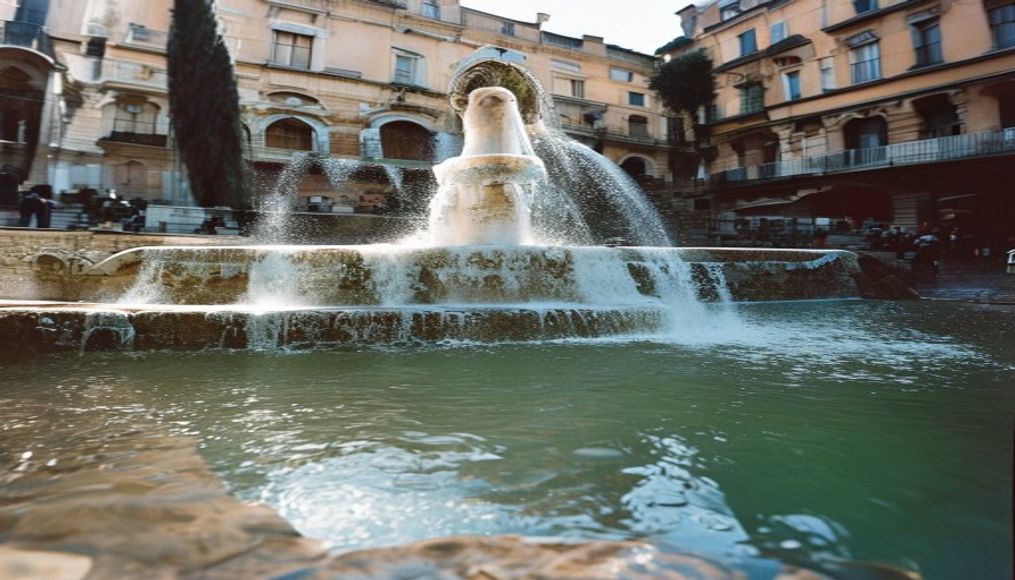
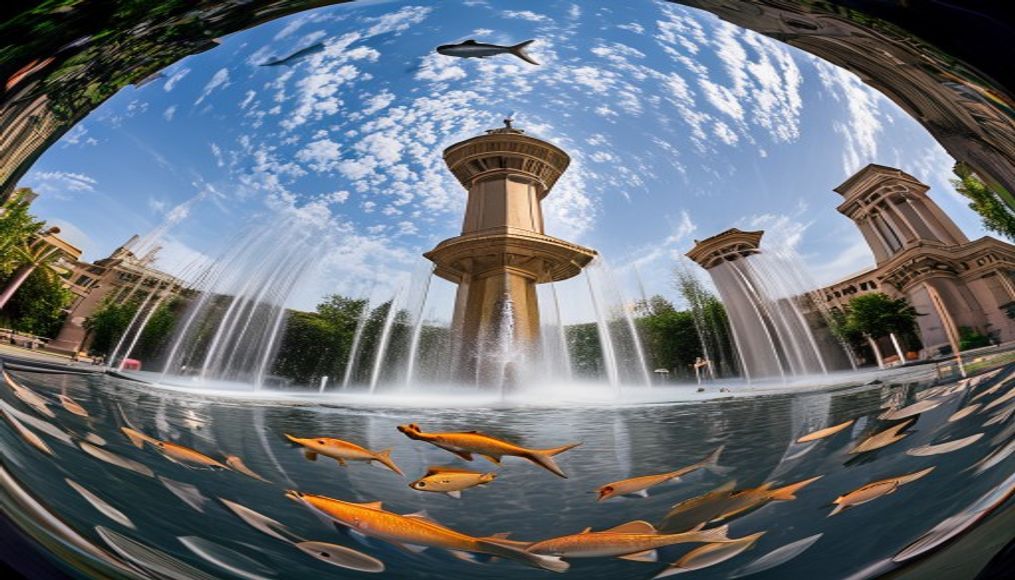
Fontana plaza navona
1344×768 · AVIF · CC BY 4.0
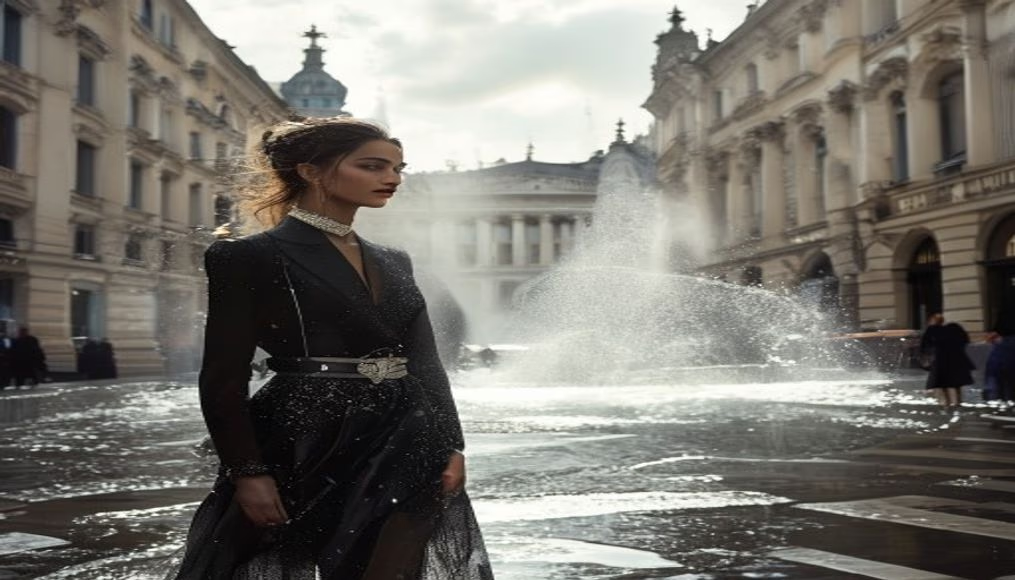
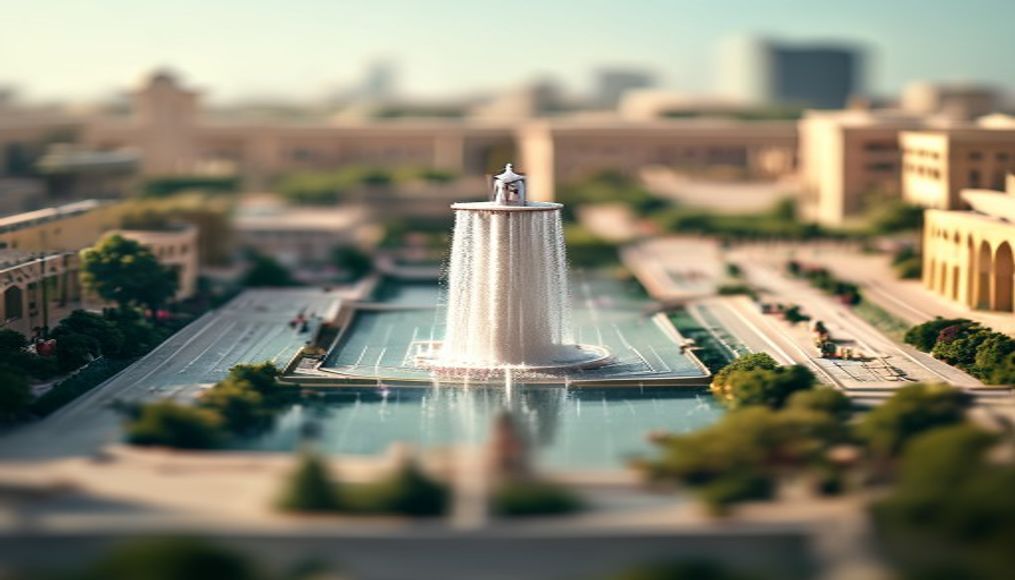
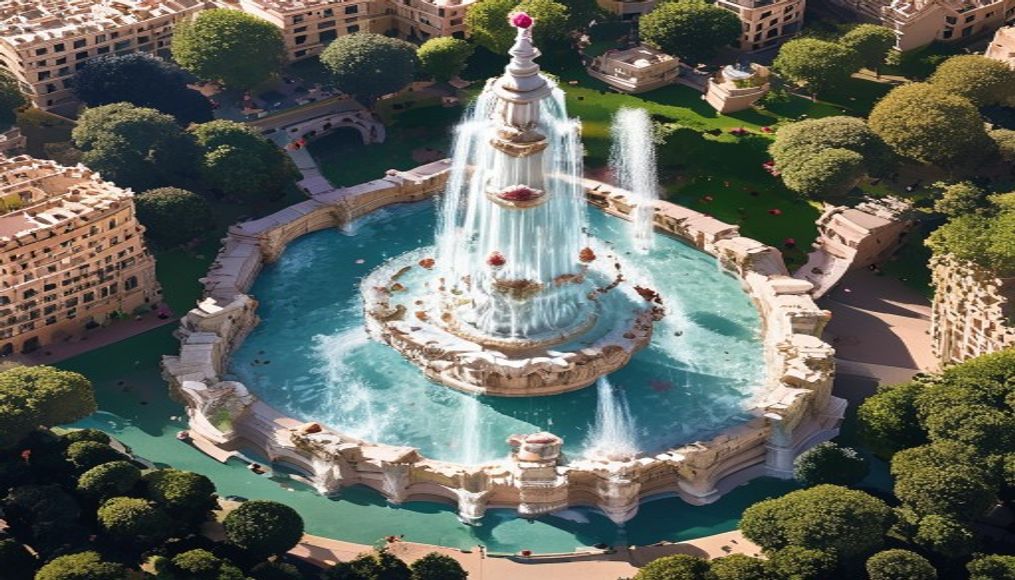
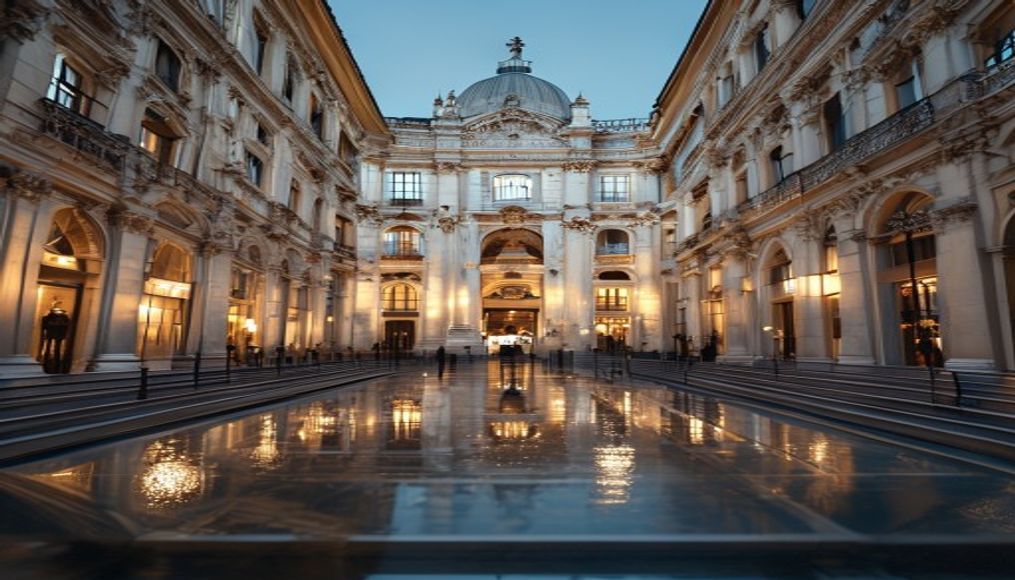
Fountain of the Four Rivers, Bernini's masterpiece in Piazza Navona, a Baroque icon and heart of historic Rome.
About this subject
The Fountain of the Four Rivers, sculpted by Gian Lorenzo Bernini between 1648 and 1651, is the centerpiece of Piazza Navona in Rome. Commissioned by Pope Innocent X, the fountain represents the four major rivers of the known world at the time: the Nile, Ganges, Danube, and Rio de la Plata. Each figure is accompanied by animals and plants typical of their regions, such as a lion for Africa and a seahorse for the Danube. The work showcased technical and political virtuosity, as Bernini surpassed his rival Francesco Borromini, who designed the adjacent church of Sant'Agnese in Agone. Legend says one statue raises its hand to protect itself from Borromini's supposedly collapsing facade, but this story is apocryphal.
Piazza Navona itself follows the oval shape of the ancient Stadium of Domitian, built in the 1st century AD for athletic competitions. During the medieval period, the square was paved and became a marketplace, retaining its elongated form. Today, it is one of Rome's most vibrant public spaces, filled with cafes, street artists, and shops. In summer, the fountain hosts cultural performances and special lighting.
Interestingly, the fountain was not fully paid by the Pope: the cost was shared with Roman nobility, who saw it as a means of family propaganda. The travertine marble sculptures, quarried from Tivoli, are an example of the Baroque style's emphasis on movement and drama. The water, which gushes from a central rock topped by an Egyptian obelisk brought from the Circus of Maxentius, creates a visual and auditory effect that attracts millions of visitors annually.
Frequently Asked Questions
What is the meaning of the figures in the Fountain of the Four Rivers?
The figures represent the four great rivers of the known continents in the 17th century: the Nile (Africa), Ganges (Asia), Danube (Europe), and Rio de la Plata (America). Each is accompanied by animals and plants typical of its region.
Why is Piazza Navona oval-shaped?
The square was built over the ancient Stadium of Domitian, a 1st-century AD arena for athletic competitions, which had an elongated shape. This layout was preserved through the centuries.
Is the legend about the statue protecting itself from the church collapse true?
No. The story that one of the fountain's statues raises its hand to protect itself from the supposed collapse of the facade of Sant'Agnese in Agone, designed by Borromini, is apocryphal. The gesture is part of the artistic composition.
Direct URL
https://pub-c7d6a6ea828543ac903a74a341ccb2e1.r2.dev/imagens/fontana-plaza-navona-high-fashion-editorial-p0.avifHow to credit
Include a visible link back to UtilizAí. Copy one of the snippets below:
<a href="https://xn--utiliza-eza.com/en/midia/imagens/fontana-plaza-navona-high-fashion-editorial-p0">Fontana plaza navona</a> by <a href="https://xn--utiliza-eza.com">UtilizAí</a>, licensed under <a href="https://creativecommons.org/licenses/by/4.0/">CC BY 4.0</a>.
[Fontana plaza navona](https://xn--utiliza-eza.com/en/midia/imagens/fontana-plaza-navona-high-fashion-editorial-p0) by [UtilizAí](https://xn--utiliza-eza.com), CC BY 4.0
License: CC-BY-4.0