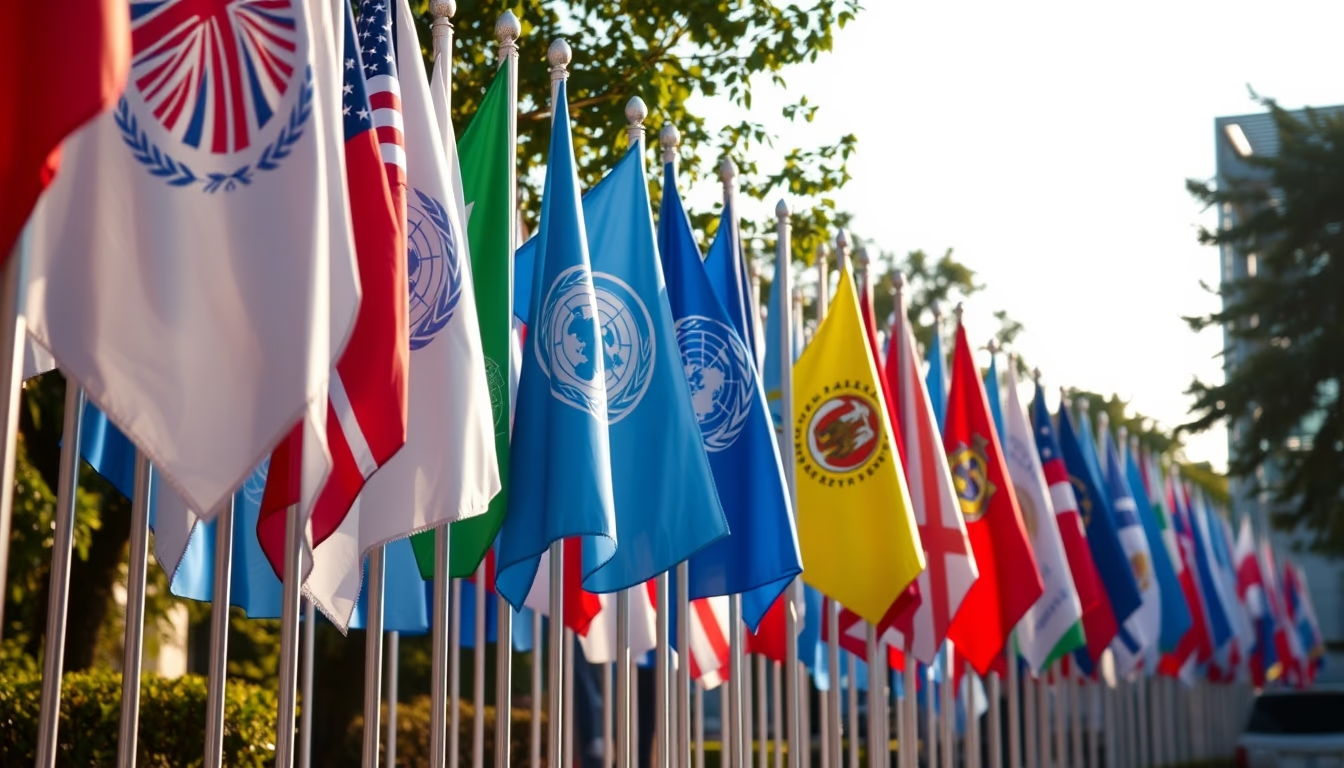
Flags united nations row
1344×768 · AVIF · CC BY 4.0
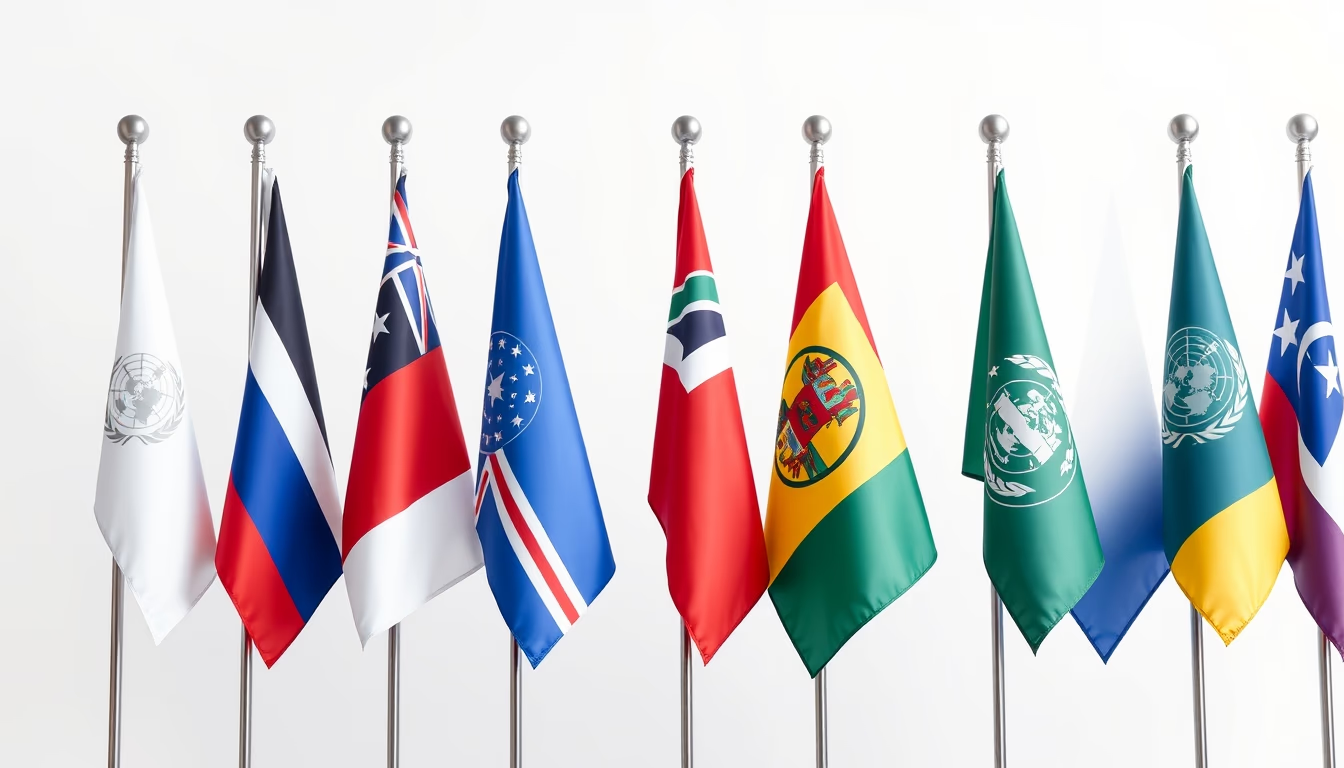
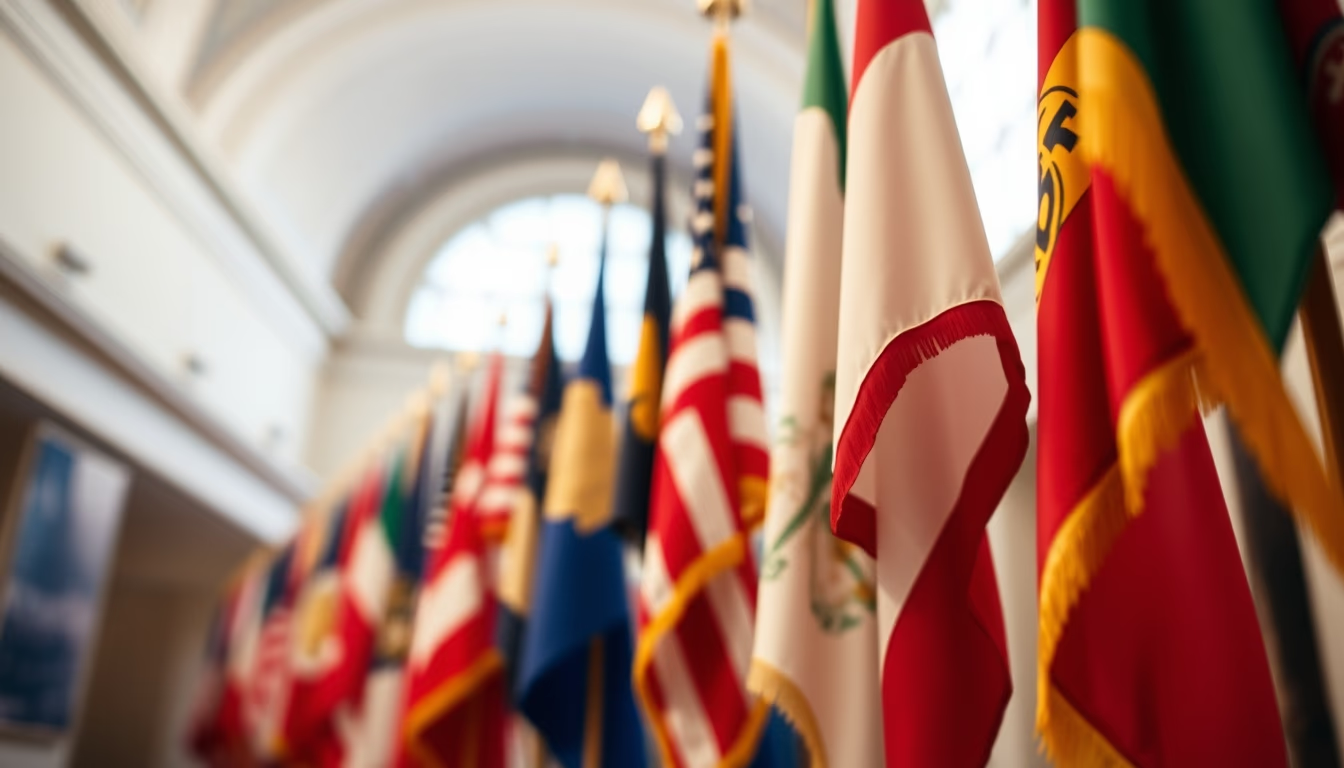
The flags of the 193 UN member states, lined up at headquarters in New York, symbolize diversity and commitment to global peace since 1945.
About this subject
The row of United Nations flags is one of the most iconic symbols of international diplomacy. Located on the plaza in front of UN headquarters in New York, the display includes the flags of all 193 member states, arranged in English alphabetical order. This tradition began with the organization's founding in 1945, when 51 countries signed the UN Charter. Today, the UN flag, featuring a world map surrounded by olive branches, is flown either in a central position or separately.
The alphabetical arrangement reflects the principle of sovereign equality among nations, regardless of size or power. The flags are periodically replaced to maintain quality and visibility. Beyond the main headquarters, replicas of this lineup are found at UN offices in Geneva, Vienna, and Nairobi. Each flag represents not only a country but also adherence to the values of the Charter: peace, human rights, justice, and international cooperation.
Interestingly, the UN flag was officially adopted in 1947. The emblem, designed by Donal McLaughlin, depicts the globe viewed from the North Pole, symbolizing universal reach. The olive branches, taken from the UN seal, represent peace. The row of member-state flags is frequently photographed by tourists and diplomats, serving as a visual reminder of the plurality of cultures and governments working together in forums such as the General Assembly and the Security Council.
Frequently Asked Questions
How many flags are displayed in the UN row in New York?
193 flags are displayed, one for each member state recognized by the UN as of 2025. Palestine and the Vatican hold observer status and are not included in the main row.
Why are the flags arranged in alphabetical order?
The English alphabetical order reflects the principle of sovereign equality among nations. No hierarchical priority exists; each country occupies equal symbolic space.
What is the history of the official UN flag?
The flag was adopted on December 7, 1947. The emblem, designed by Donal McLaughlin, features a world map centered on the North Pole, with olive branches symbolizing peace. The light blue color was chosen to contrast with national flags.
Direct URL
https://pub-c7d6a6ea828543ac903a74a341ccb2e1.r2.dev/imagens/flags-united-nations-row-commercial-product-photography-fresh6.avifHow to credit
Include a visible link back to UtilizAí. Copy one of the snippets below:
<a href="https://xn--utiliza-eza.com/en/midia/imagens/flags-united-nations-row-commercial-product-photography-fresh6">Flags united nations row</a> by <a href="https://xn--utiliza-eza.com">UtilizAí</a>, licensed under <a href="https://creativecommons.org/licenses/by/4.0/">CC BY 4.0</a>.
[Flags united nations row](https://xn--utiliza-eza.com/en/midia/imagens/flags-united-nations-row-commercial-product-photography-fresh6) by [UtilizAí](https://xn--utiliza-eza.com), CC BY 4.0
License: CC-BY-4.0