Filing cabinet vintage
1344×768 · AVIF · CC BY 4.0
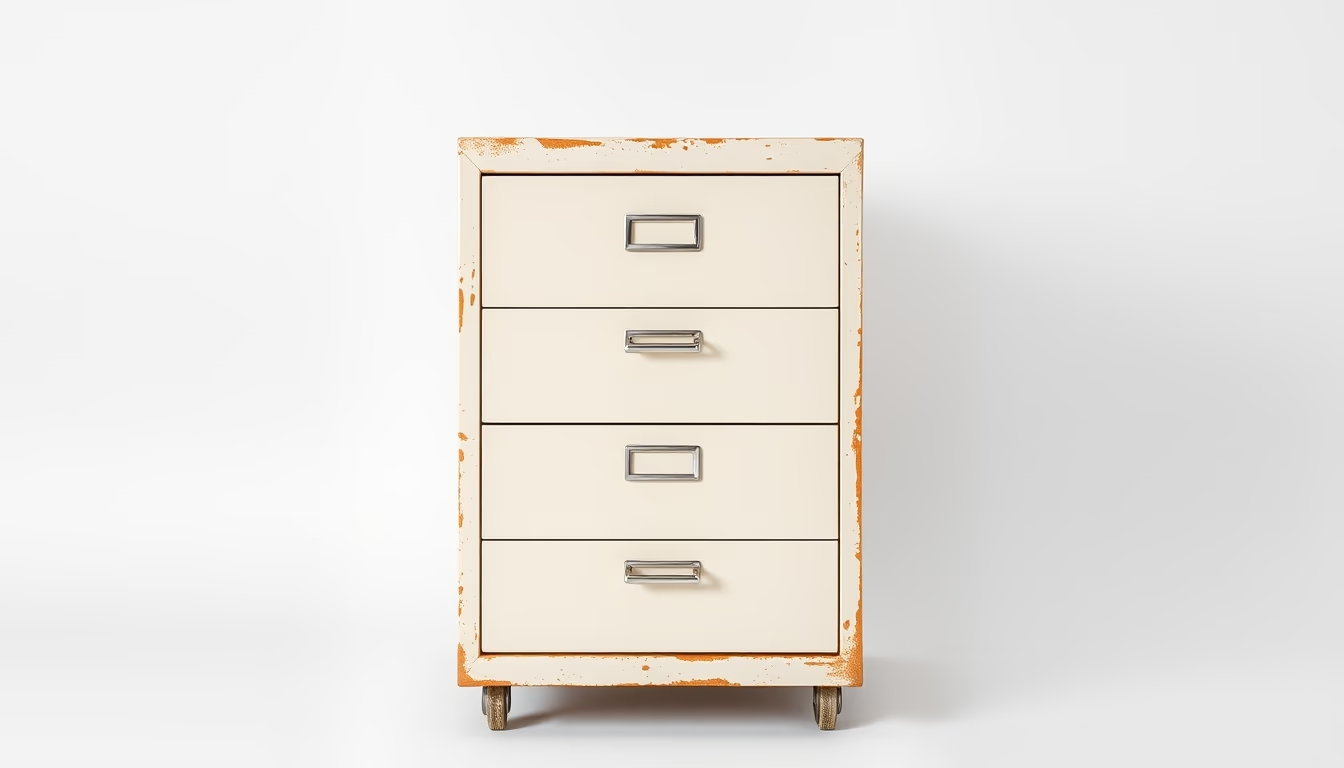
The vintage steel filing cabinet, a symbol of 20th-century administrative efficiency, combines functional design and retro aesthetics in contemporary offices.
About this subject
The vintage steel filing cabinet, also known as a file cabinet, is an iconic piece of furniture that dominated offices and public agencies between the 1920s and 1970s. Its metal structure, often in olive green, gray, or beige, was designed to be fire-resistant and durable, storing thousands of documents in hanging folders. The popularization of this furniture is linked to the expansion of state and corporate bureaucracy in the United States and Europe, especially after World War I. The Swedish company Ericsson adopted the vertical filing system in 1898, but it was the Art Metal Construction Company in the US that patented the design with sliding drawers in 1915.
In Brazil, the use of steel filing cabinets intensified with administrative modernization during the Vargas Era (1930-1945), when agencies like DASP (Administrative Department of Public Service) encouraged the standardization of office furniture. Models such as the “Ficheiro de Aço” from Móveis Cimo, founded in 1921 in São Paulo, became status symbols for businesses and professionals. The functionalist design, with concave handles and straight lines, reflected the influence of the Bauhaus and Art Deco styles, adapted to the tropical climate with synthetic enamel paint to prevent rust.
Today, vintage filing cabinets are prized by collectors and decorators as industrial decor items. Their sturdiness allows reuse in home offices, concept stores, and creative studios. A well-preserved original cabinet from the 1950s can fetch between $150 and $600 in online auctions. The natural patina, small dents, and original labels from manufacturers (such as Globe-Wernicke, Steelcase, or Brazil’s Móveis Facchini) add historical value. To maintain authenticity, only cleaning with a damp cloth and neutral wax is recommended, avoiding repainting.
Frequently Asked Questions
How to identify if a vintage filing cabinet is original and of quality?
Check the steel thickness (robust models with 1 mm or more indicate old manufacturing), the presence of Phillips or slotted screws, manufacturer labels, and smooth drawer sliding. Brands like Steelcase, Globe-Wernicke, Cimo, and Facchini are highly valued.
What is the purpose of hanging folders in vintage filing cabinets?
Hanging folders, introduced in 1910 by the Finnish company Vahvistettu, allow vertical filing without punching holes in documents. The system uses adjustable metal rods inside drawers, optimizing space and protecting papers from bending.
Can you restore a vintage filing cabinet without losing its historical value?
Yes, if done conservatively: remove superficial rust with fine steel wool and apply protective wax. Avoid full repainting, as original paint and patina are key evidence of authenticity. Stuck drawers can be adjusted with dry lubricant.
Direct URL
https://pub-c7d6a6ea828543ac903a74a341ccb2e1.r2.dev/imagens/filing-cabinet-vintage-commercial-product-photography-p6.avifHow to credit
Include a visible link back to UtilizAí. Copy one of the snippets below:
<a href="https://xn--utiliza-eza.com/en/midia/imagens/filing-cabinet-vintage-commercial-product-photography-p6">Filing cabinet vintage</a> by <a href="https://xn--utiliza-eza.com">UtilizAí</a>, licensed under <a href="https://creativecommons.org/licenses/by/4.0/">CC BY 4.0</a>.
[Filing cabinet vintage](https://xn--utiliza-eza.com/en/midia/imagens/filing-cabinet-vintage-commercial-product-photography-p6) by [UtilizAí](https://xn--utiliza-eza.com), CC BY 4.0
License: CC-BY-4.0