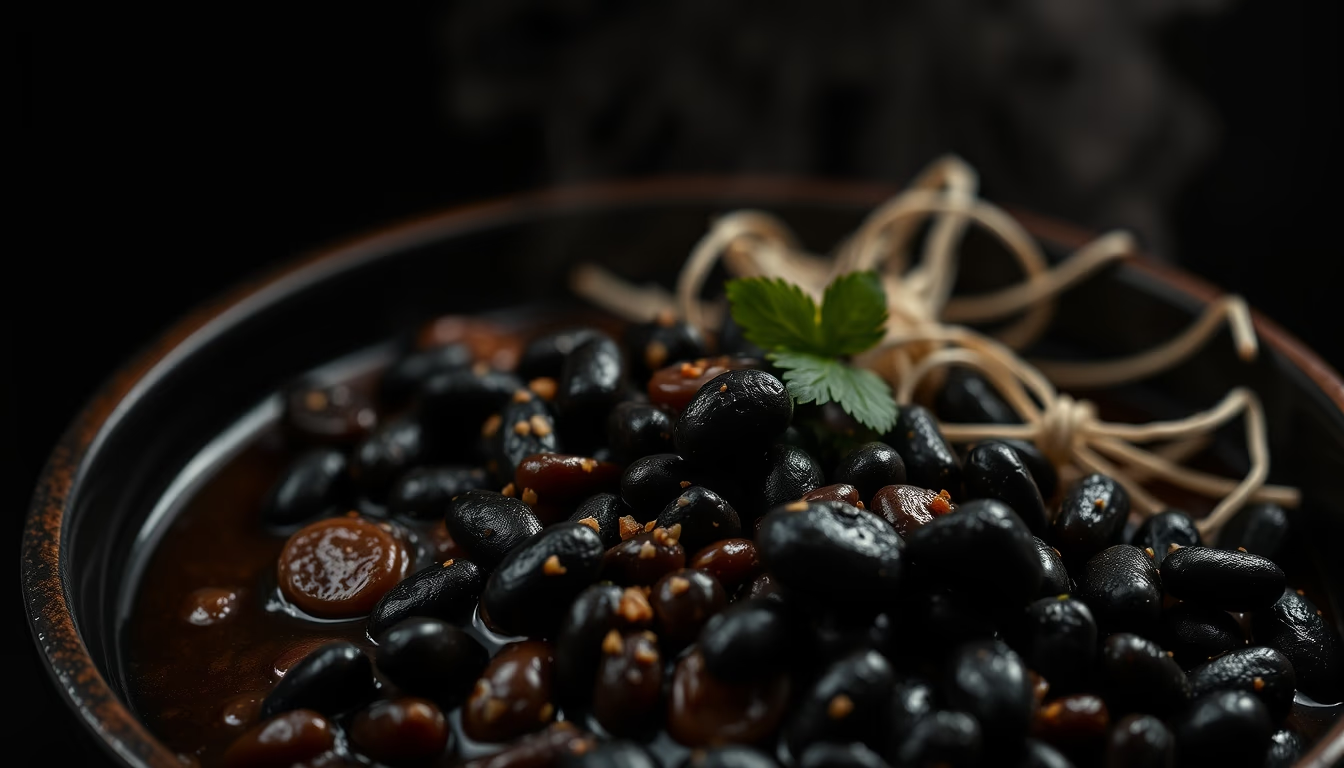
Feijoada brazilian black beans
1344×768 · AVIF · CC BY 4.0
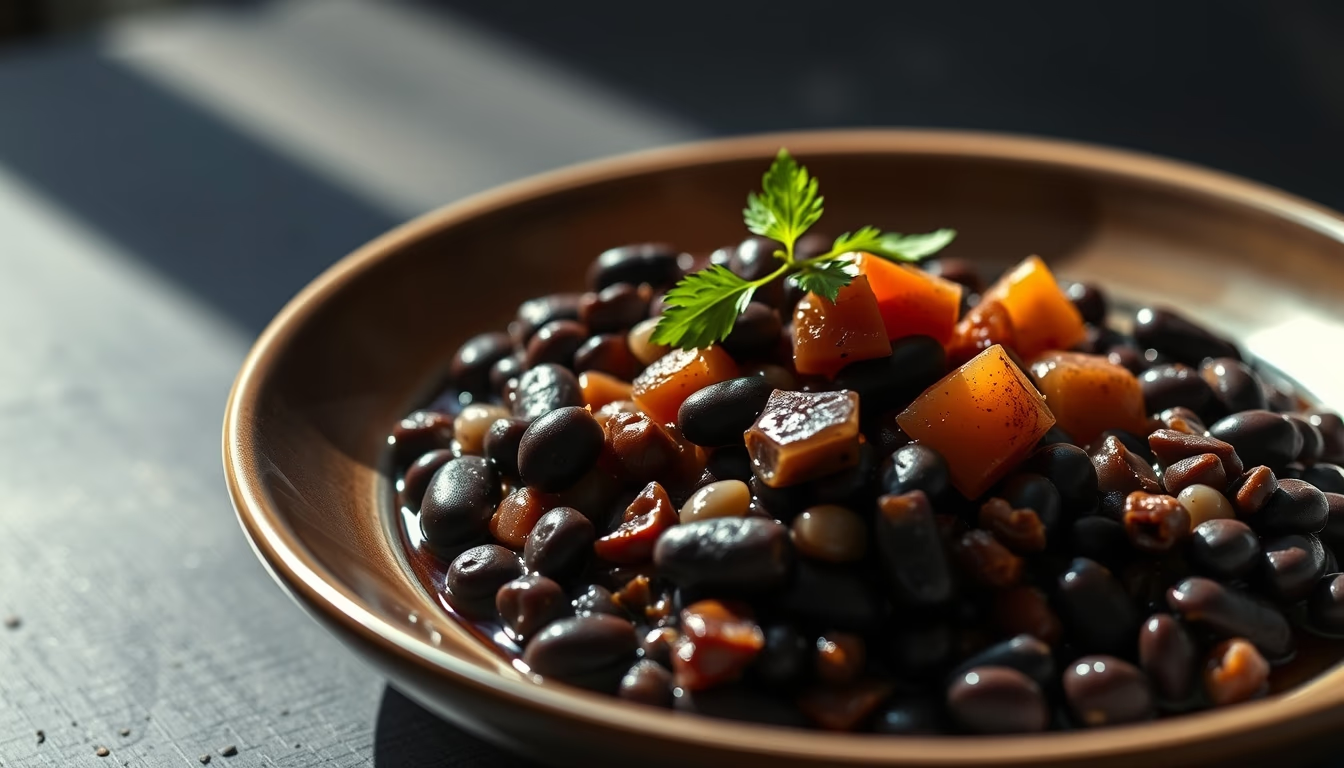
Brazilian feijoada: national dish with black beans and meats, African and Portuguese heritage, served with rice, collard greens, and farofa.
About this subject
Feijoada is one of Brazil's most iconic dishes, a national culinary symbol that reflects the country's cultural diversity. It is a hearty stew of black beans with salted and smoked meats, such as dried beef, pork ribs, sausage, paio, and pork trimmings (ear, tail, feet). The blend of intense flavors and varied textures creates a robust meal traditionally served on Wednesdays or Saturdays in Brazilian homes and restaurants.
The dish's origins trace back to the colonial period, with influences from Portuguese cuisine (meat and legume stews) and African culinary traditions (use of black beans and slow-cooking techniques). While a common myth suggests feijoada arose from enslaved Africans using leftover scraps rejected by slave owners, historians note that the modern version developed in the 19th century in urban centers, especially Rio de Janeiro. Regional meat options vary, but black beans remain constant in the Southeast, while the Northeast uses mulatinho or green beans.
Preparation requires skill: beans are cooked with garlic, onion, bay leaves, and pepper; meats are desalted and pre-cooked separately to balance saltiness. The broth thickens naturally from bean starch and meat gelatin, resulting in a creamy texture. Mandatory sides include white rice, sautéed collard greens (finely sliced), farofa (toasted cassava flour), orange slices (to cut grease), and sometimes fried pork rinds and hot sauce.
Modern adaptations include lighter (less fatty) and vegetarian versions (with mushrooms and smoked vegetables), but the classic recipe remains unbeaten at samba circles and family gatherings. UNESCO recognizes Brazilian cuisine, including feijoada, as intangible heritage due to its historical and social significance. Every Brazilian has a strong opinion on the best feijoada, whether from grandma's kitchen or a top restaurant, proving its emotional place in the national palate.
Frequently Asked Questions
What are the traditional ingredients in feijoada?
Black beans, dried beef, pork ribs, calabresa sausage, paio, pork ear, tail, and feet. Seasonings include garlic, onion, bay leaves, and pepper. Sides: white rice, sautéed collard greens, farofa, and orange slices.
Did feijoada really originate in slave quarters?
That's a popular myth. Historians indicate the modern feijoada emerged in 19th-century Rio de Janeiro, blending Portuguese and African techniques, not as leftovers. Nobler cuts were always part of the dish.
What is the best way to serve feijoada?
Traditionally in a clay pot, accompanied by rice, sautéed collard greens (finely shredded), farofa, orange slices, and hot sauce. Vinaigrette and fried pork rinds are also common. Serve very hot.
Direct URL
https://pub-c7d6a6ea828543ac903a74a341ccb2e1.r2.dev/imagens/feijoada-brazilian-black-beans-rembrandt-lighting-dramatic-shadows-fresh6.avifHow to credit
Include a visible link back to UtilizAí. Copy one of the snippets below:
<a href="https://xn--utiliza-eza.com/en/midia/imagens/feijoada-brazilian-black-beans-rembrandt-lighting-dramatic-shadows-fresh6">Feijoada brazilian black beans</a> by <a href="https://xn--utiliza-eza.com">UtilizAí</a>, licensed under <a href="https://creativecommons.org/licenses/by/4.0/">CC BY 4.0</a>.
[Feijoada brazilian black beans](https://xn--utiliza-eza.com/en/midia/imagens/feijoada-brazilian-black-beans-rembrandt-lighting-dramatic-shadows-fresh6) by [UtilizAí](https://xn--utiliza-eza.com), CC BY 4.0
License: CC-BY-4.0