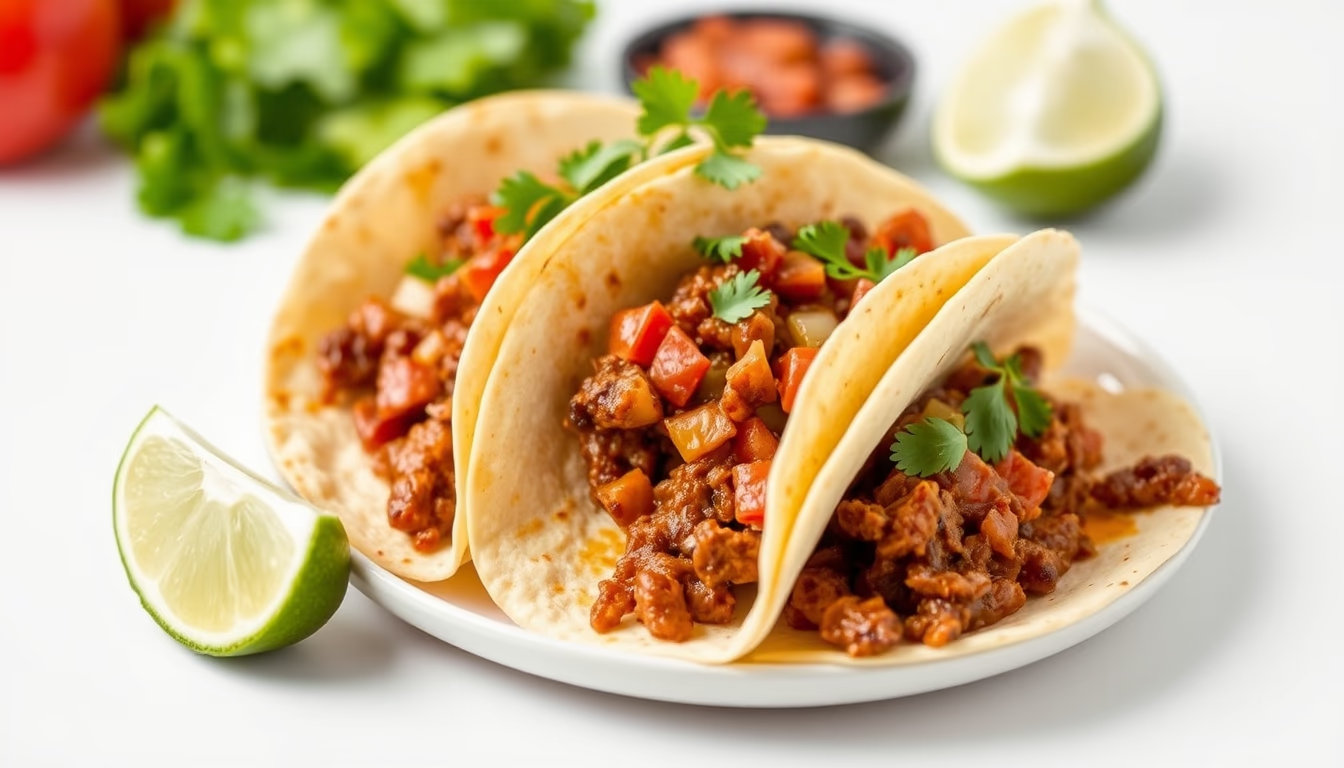
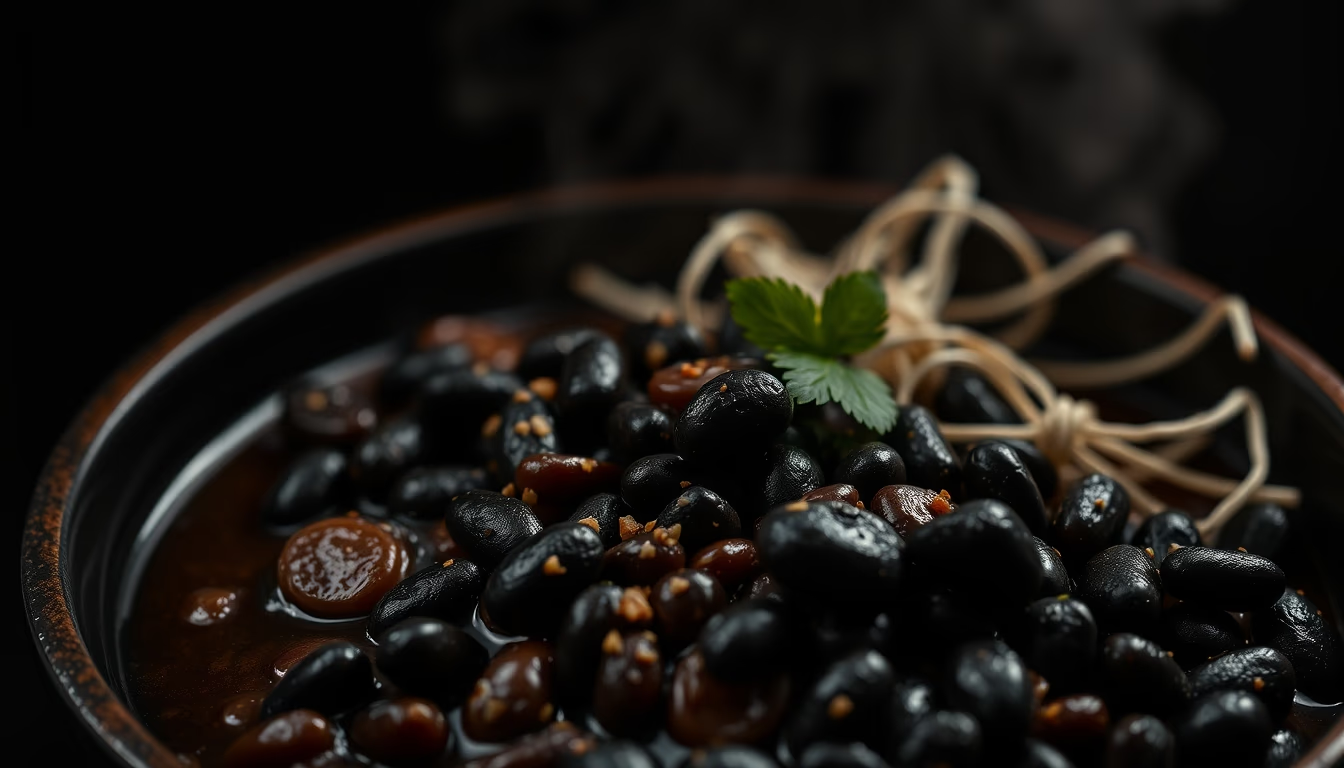
Feijoada brazilian black beans
1344×768 · AVIF · CC BY 4.0
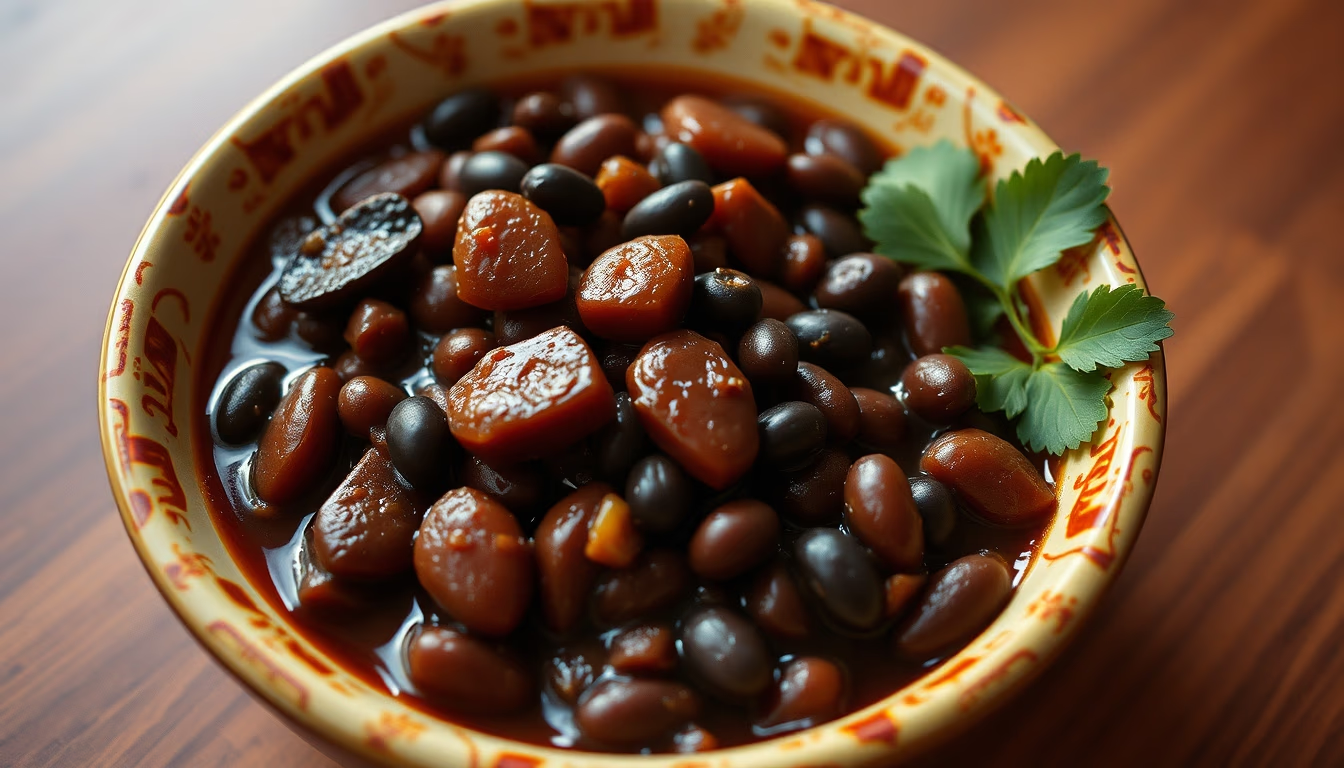
Feijoada brasileira: prato nacional feito com feijão preto, carne suína e bovina, cozido lentamente. Tradição desde o período colonial.
Sobre o tema
A feijoada é um dos pratos mais emblemáticos da culinária brasileira, reconhecido como símbolo nacional. Originalmente associada às senzalas, onde os escravos aproveitavam as sobras de carne dos senhores, a receita evoluiu para uma refeição completa e sofisticada. O prato consiste em feijão preto cozido com uma variedade de carnes salgadas e defumadas, como costelinha de porco, lombo, paio, linguiça, carne seca e orelha de porco. O preparo demanda longo cozimento, geralmente em panela de barro, para que os sabores se integrem.
Acompanhamentos tradicionais incluem arroz branco, farofa de mandioca, couve refogada, laranja fatiada e vinagrete (molho de tomate, cebola e pimentão). A laranja, inicialmente usada para cortar a gordura, hoje é parte essencial da experiência. A feijoada é servida às quartas e sábados em restaurantes e casas brasileiras, mas sua origem remonta ao século XIX, influenciada por pratos portugueses como a cozido à portuguesa e adaptações africanas.
Culturalmente, a feijoada transcende o simples ato de comer. Ela representa a miscigenação brasileira, unindo ingredientes e técnicas indígenas, africanas e europeias. Apesar de polêmicas sobre sua origem escravocrata, a feijoada foi ressignificada como prato de celebração e confraternização. Em 2018, o Instituto do Patrimônio Histórico e Artístico Nacional (Iphan) abriu processo de registro da feijoada como patrimônio cultural imaterial do Brasil, destacando sua importância social e histórica.
Nutricionalmente, a feijoada é rica em proteínas, fibras e ferro, mas também em gorduras e sódio, devido às carnes curadas. Por isso, versões leves substituem carnes gordurosas por cortes magros e reduzem o sal. O feijão preto, base do prato, é uma leguminosa amplamente cultivada no Brasil, especialmente no Rio de Janeiro, São Paulo e Minas Gerais, estados onde a feijoada tem forte tradição. Seu consumo está associado a benefícios para a saúde cardiovascular e controle do diabetes, desde que moderado.
Perguntas frequentes
Qual é a origem da feijoada brasileira?
A feijoada tem origem controversa. Alguns historiadores apontam que surgiu nas senzalas, onde escravos cozinhavam feijão com restos de carne dos senhores. Outros defendem que veio de pratos portugueses adaptados, como o cozido. A versão moderna foi consolidada no século XX como prato nacional.
Quais carnes são usadas na feijoada tradicional?
A feijoada tradicional leva uma mistura de carnes suínas e bovinas salgadas e defumadas: costelinha, lombo, paio, linguiça, carne seca, orelha, rabo e pé de porco. Cada cozinheiro pode ajustar os cortes conforme preferência.
Por que a feijoada é servida com laranja?
A laranja fatiada é servida para ajudar na digestão da gordura e trazer frescor ao prato. Não é apenas um acompanhamento decorativo, mas funcional. O hábito surgiu como forma de equilibrar os sabores e é mantido até hoje.
URL direta
https://pub-c7d6a6ea828543ac903a74a341ccb2e1.r2.dev/imagens/feijoada-brazilian-black-beans-lo-fi-disposable-camera-fresh0.avifComo creditar
Inclua um link visível de volta pro UtilizAí. Copie um dos snippets abaixo:
<a href="https://xn--utiliza-eza.com/midia/imagens/feijoada-brazilian-black-beans-lo-fi-disposable-camera-fresh0">Feijoada brazilian black beans</a> by <a href="https://xn--utiliza-eza.com">UtilizAí</a>, licensed under <a href="https://creativecommons.org/licenses/by/4.0/">CC BY 4.0</a>.
[Feijoada brazilian black beans](https://xn--utiliza-eza.com/midia/imagens/feijoada-brazilian-black-beans-lo-fi-disposable-camera-fresh0) by [UtilizAí](https://xn--utiliza-eza.com), CC BY 4.0
Licença: CC-BY-4.0