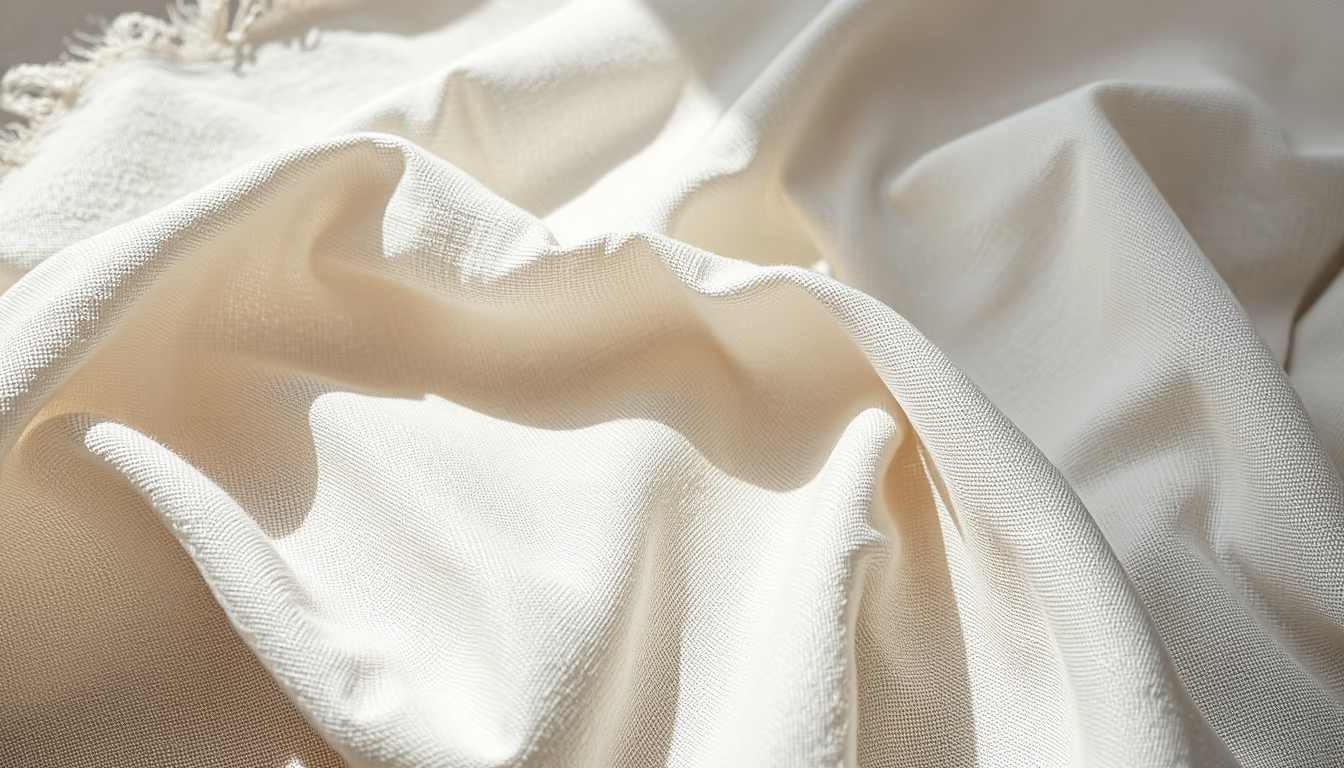
Fabric texture linen
1344×768 · AVIF · CC BY 4.0
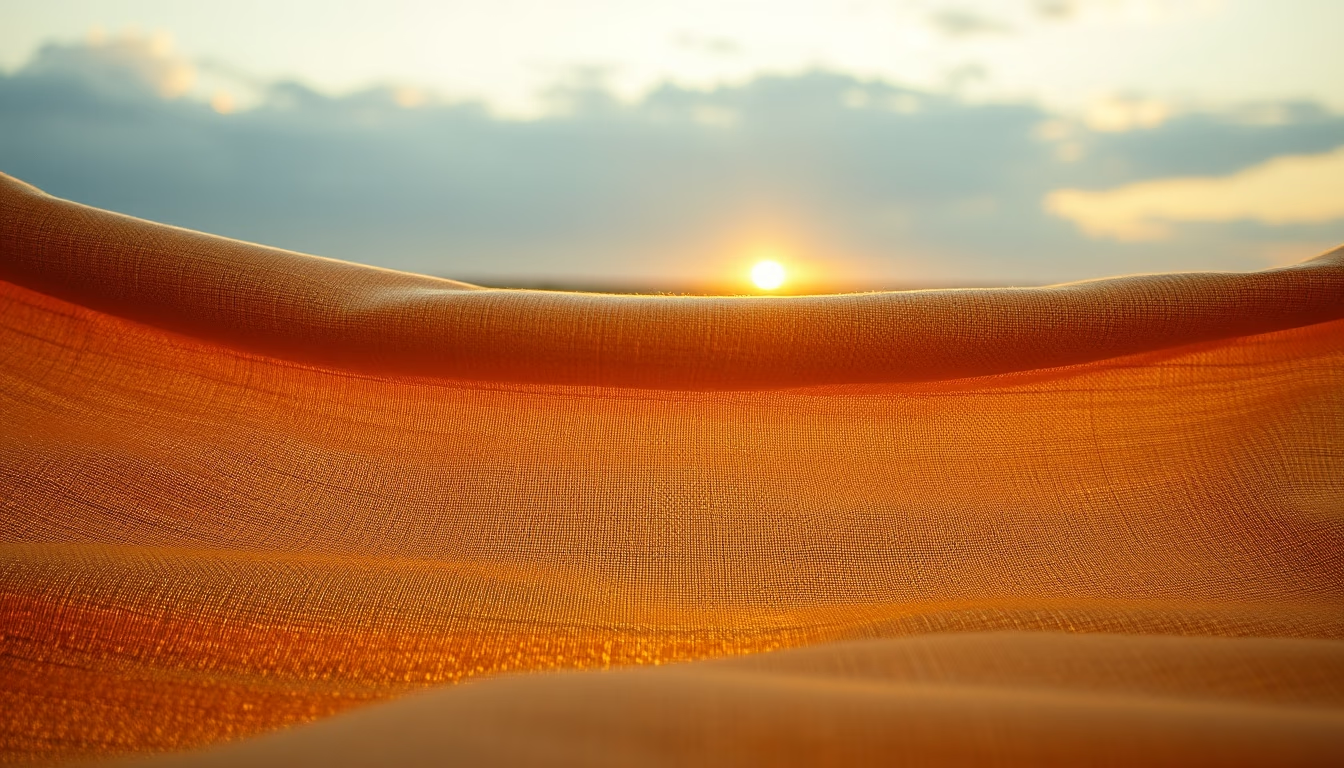
Linen, an ancient fabric made from flax fibers, is renowned for its durability, breathability, and natural elegance, ranking among humanity's oldest textiles.
About this subject
Linen is a textile made from the fibers of the flax plant (Linum usitatissimum), cultivated for over 10,000 years. Archeological evidence from the Near East shows linen was used in the Neolithic period, with Ancient Egypt being a major exponent. Egyptians used it for clothing, shrouds, and sails; mummification often involved linen bandages, and the fabric symbolized purity and status.
Linen production involves harvesting, retting (to separate fibers), drying, and weaving. The process is more labor-intensive than cotton, contributing to its higher cost. Long fibers produce fine, strong threads, while short fibers are used for coarser textiles. Unlike cotton, linen has low elasticity, so fabrics wrinkle easily, a trait many appreciate as part of its natural appeal.
Linen is valued for its durability (up to three times stronger than cotton), moisture absorption without retaining odors, hypoallergenic properties, and natural antibacterial qualities. Its breathability makes it ideal for hot climates, conducting heat away from the body. In fashion, it is used for summer clothing, shirts, dresses, and suits. In home decor, linen tablecloths, curtains, and sheets are synonymous with elegance.
Flax cultivation is considered sustainable: the plant requires little water and pesticides, and all parts are used (seeds for oil, fibers for textile). Major producers today include France, Belgium, and the Netherlands, with temperate regions worldwide also cultivating it. The European Union protects linen with designations of origin, such as Irish linen. A curiosity: linen is a component of U.S. currency paper (75% cotton, 25% linen), showcasing its durability.
Frequently Asked Questions
Why is linen more expensive than cotton?
Linen production is more labor-intensive. Harvesting, retting, and fiber extraction require more time and manual work. Additionally, long flax fibers are scarcer, leading to higher fabric cost.
Is linen an eco-friendly fabric?
Yes, linen is one of the most sustainable textiles. Flax requires little water and few pesticides compared to cotton. Almost the entire plant is utilized (fibers for fabric, seeds for oil), and the fabric is biodegradable.
How should I care for linen clothing?
Machine wash linen on a gentle cycle with cold or warm water. Avoid wringing; hang to dry in shade. Iron while still damp to remove wrinkles easily. Linen may shrink slightly on the first wash.
Direct URL
https://pub-c7d6a6ea828543ac903a74a341ccb2e1.r2.dev/imagens/fabric-texture-linen-cinematic-wide-shot-p1.avifHow to credit
Include a visible link back to UtilizAí. Copy one of the snippets below:
<a href="https://xn--utiliza-eza.com/en/midia/imagens/fabric-texture-linen-cinematic-wide-shot-p1">Fabric texture linen</a> by <a href="https://xn--utiliza-eza.com">UtilizAí</a>, licensed under <a href="https://creativecommons.org/licenses/by/4.0/">CC BY 4.0</a>.
[Fabric texture linen](https://xn--utiliza-eza.com/en/midia/imagens/fabric-texture-linen-cinematic-wide-shot-p1) by [UtilizAí](https://xn--utiliza-eza.com), CC BY 4.0
License: CC-BY-4.0