Extra virgin olive oil bottle
1344×768 · AVIF · CC BY 4.0
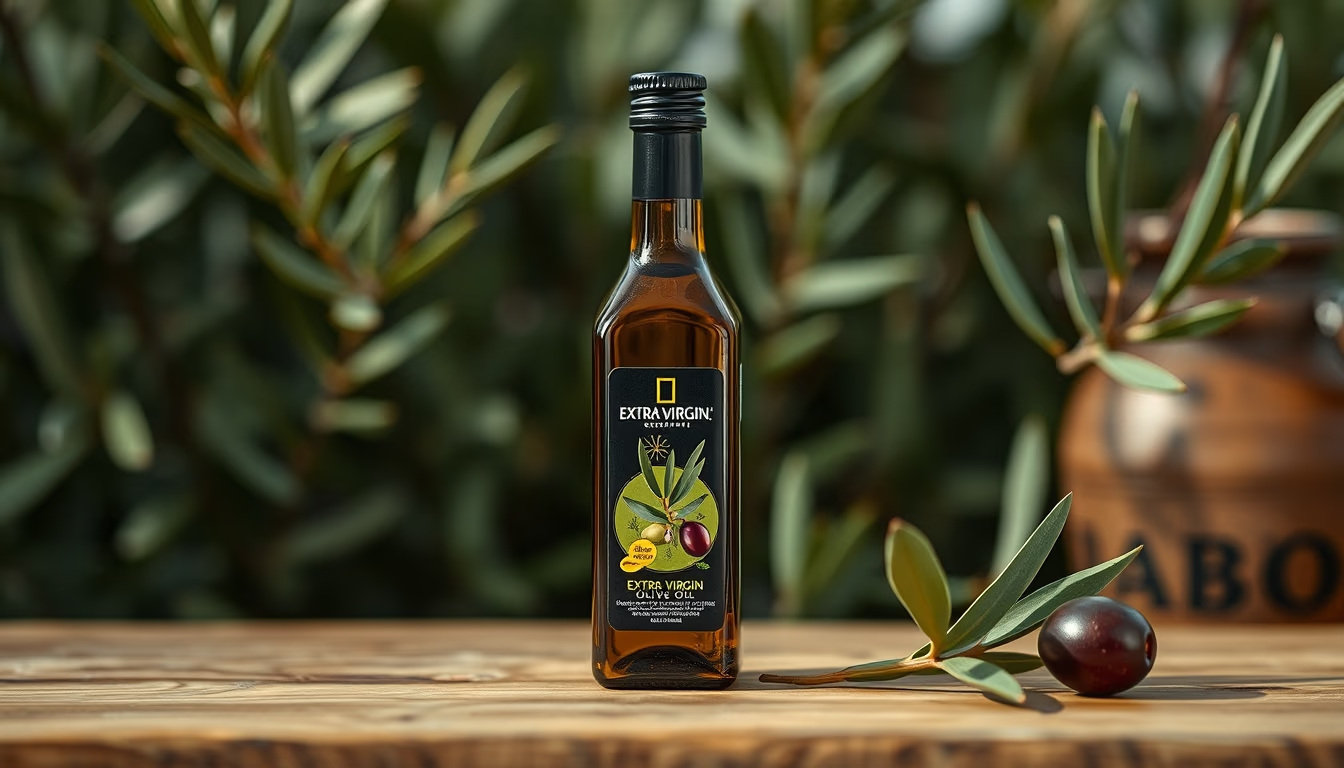
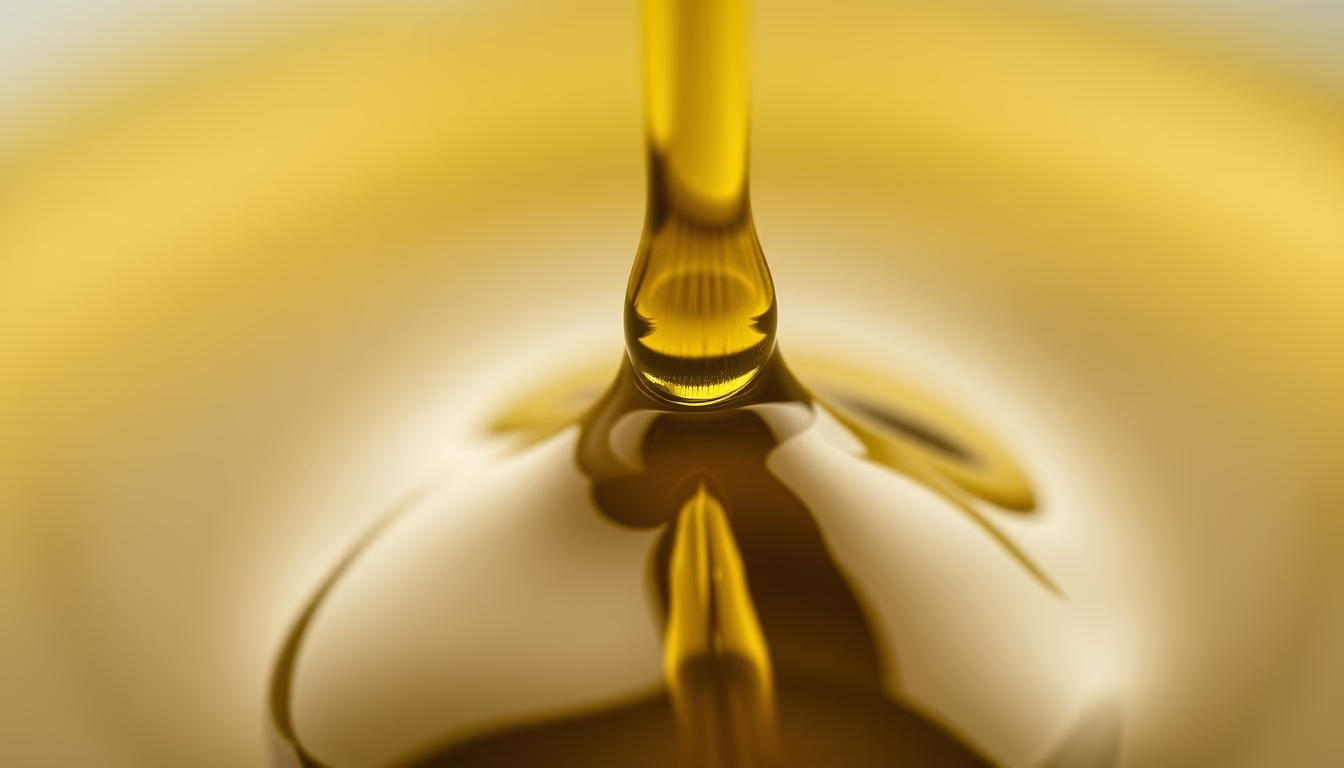
Extra virgin olive oil is pure olive juice, chemically unrefined, valued for its flavor and health benefits.
About this subject
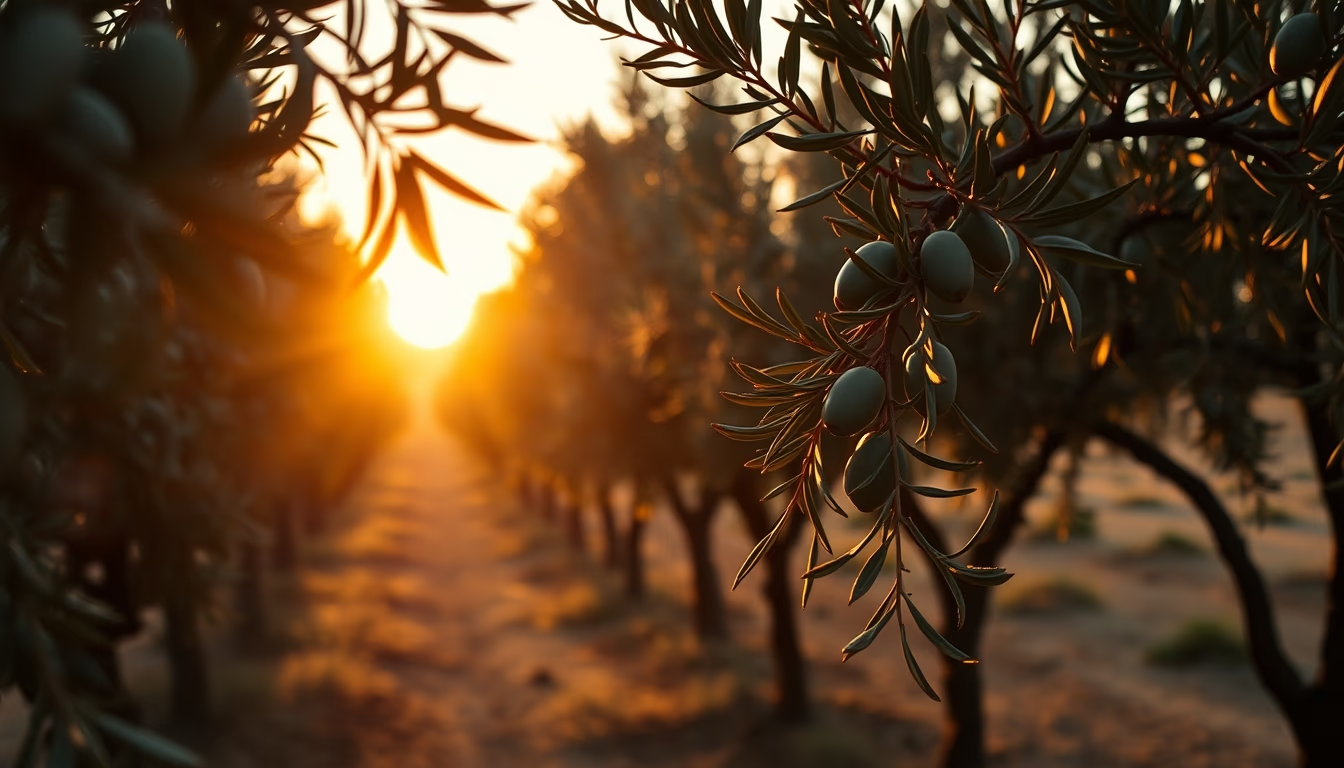
Extra virgin olive oil is produced exclusively through mechanical means from olives, without solvents or high heat. This grade represents the highest quality standard, with a maximum free acidity of 0.8%. Production is concentrated in Mediterranean countries: Spain, Italy, Greece, and Portugal account for over 90% of global supply. Brazil's production is still small but growing in regions like southern Minas Gerais and Serra Gaúcha, where microclimates favor noble varieties.
Sensory attributes of extra virgin olive oil include fruity, bitter, and pungent notes, indicating the presence of antioxidant polyphenols. These compounds provide cardiovascular, anti-inflammatory, and neuroprotective benefits. Brazilian regulations require rigorous physicochemical and sensory testing for the 'extra virgin' label, aiming to combat fraud.
In cooking, extra virgin olive oil is versatile: ideal for salads, finishing dishes, sauces, and even desserts. Its smoke point (around 190°C/374°F) allows light frying, though excessive heat degrades its aromatic compounds. Pairing depends on the oil profile: fruity oils suit green salads, while pungent ones enhance grilled meats.
Notably, the term 'virgin' derives from Latin 'virgo', meaning pure and natural. Global production exceeded 3 million metric tons in 2023, with Spain leading at nearly 40%. Extra virgin olive oil is also a high-quality product, often awarded in international competitions like the NYIOOC.
Frequently Asked Questions
What is the difference between extra virgin and virgin olive oil?
Extra virgin olive oil has a maximum free acidity of 0.8% and no sensory defects, while virgin olive oil allows up to 2% acidity and may have minor defects. Both are produced by mechanical means without chemical refining.
How should extra virgin olive oil be stored to preserve its properties?
Store in a cool, dark place away from light and heat; ideal temperature is between 14°C and 18°C (57°F, 64°F). Use dark bottles and seal tightly after use. Avoid storing near the stove or in the refrigerator, as condensation can spoil the flavor.
What are the health benefits of extra virgin olive oil?
Rich in monounsaturated fats and antioxidant polyphenols, extra virgin olive oil helps lower LDL cholesterol, supports cardiovascular health, provides anti-inflammatory effects, and may prevent neurodegenerative diseases. Regular consumption is linked to longevity.
Direct URL
https://pub-c7d6a6ea828543ac903a74a341ccb2e1.r2.dev/imagens/extra-virgin-olive-oil-bottle-national-geographic-style-p5.avifHow to credit
Include a visible link back to UtilizAí. Copy one of the snippets below:
<a href="https://xn--utiliza-eza.com/en/midia/imagens/extra-virgin-olive-oil-bottle-national-geographic-style-p5">Extra virgin olive oil bottle</a> by <a href="https://xn--utiliza-eza.com">UtilizAí</a>, licensed under <a href="https://creativecommons.org/licenses/by/4.0/">CC BY 4.0</a>.
[Extra virgin olive oil bottle](https://xn--utiliza-eza.com/en/midia/imagens/extra-virgin-olive-oil-bottle-national-geographic-style-p5) by [UtilizAí](https://xn--utiliza-eza.com), CC BY 4.0
License: CC-BY-4.0