Extra virgin olive oil bottle
1344×768 · AVIF · CC BY 4.0
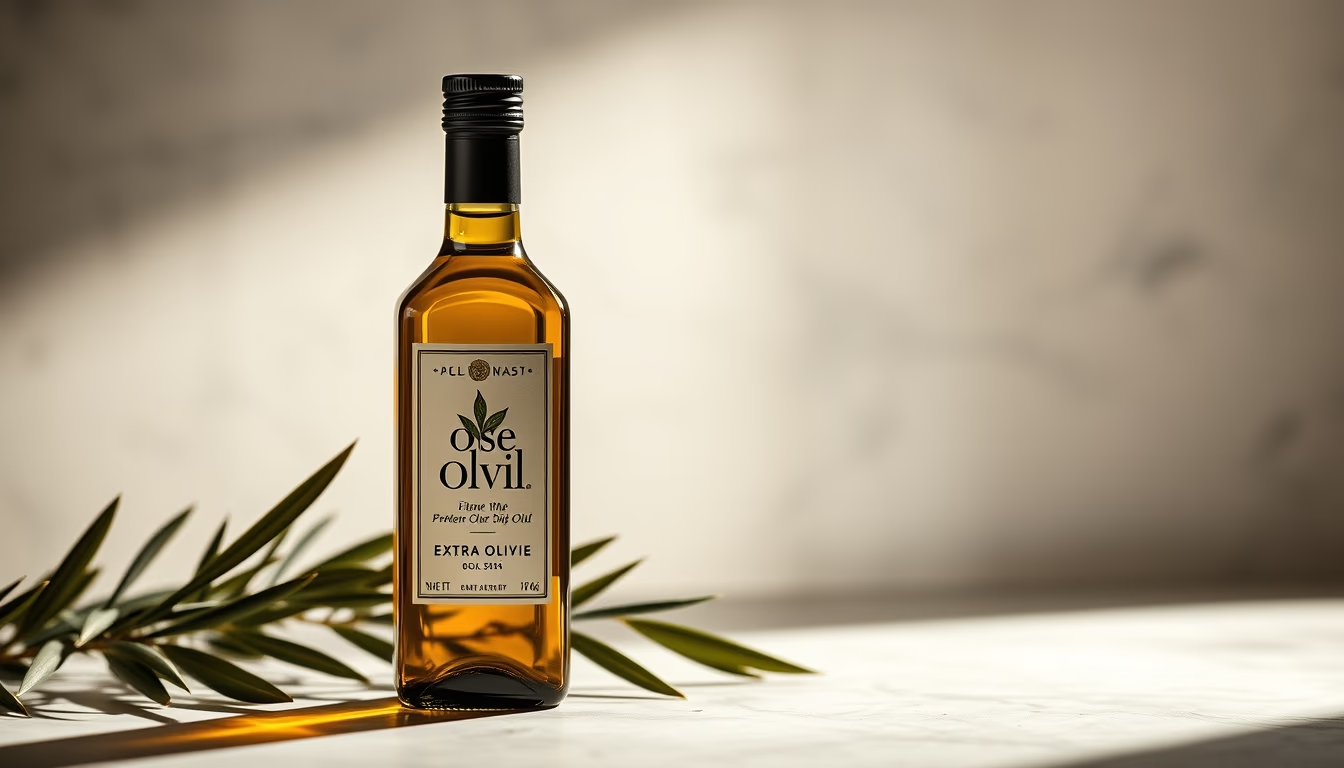
Extra virgin olive oil bottle, a symbol of Mediterranean tradition and a global gastronomic icon.
About this subject
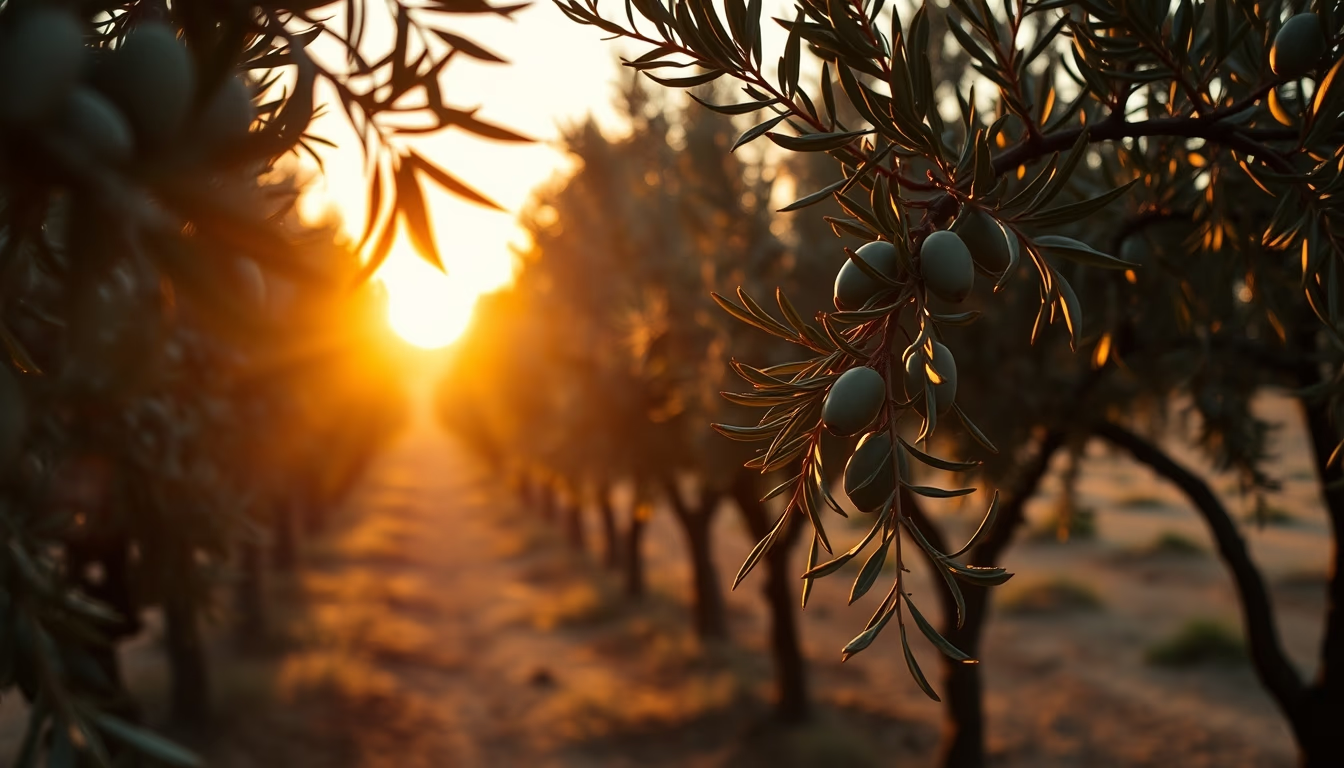
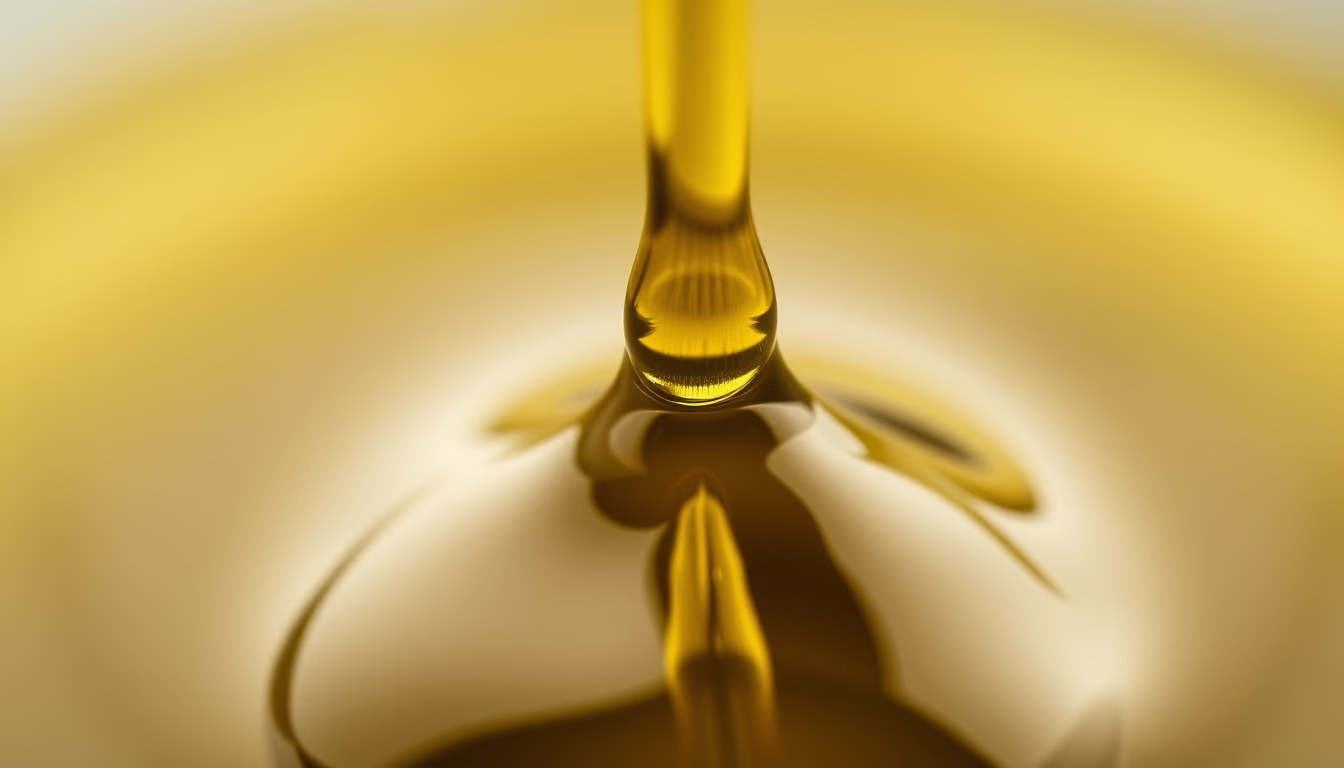
Extra virgin olive oil is the juice of the olive obtained solely by mechanical means, without chemical solvents, maintaining a maximum acidity of 0.8%. Produced mainly in countries like Spain, Italy, Greece, Portugal, and in Brazil's Rio Grande do Sul and Serra da Mantiqueira, this food is the cornerstone of the Mediterranean diet, recognized by UNESCO as Intangible Cultural Heritage. Olives are harvested manually or by vibration and cold-pressed to extract the oil, which retains phenolic antioxidants and monounsaturated fatty acids beneficial for heart health.
Classification as extra virgin requires rigorous sensory and chemical tests by certified tasting panels. Flavor ranges from intensely fruity to mild, with bitter and pungent notes, depending on the olive variety, such as Arbequina, Koroneiki, Picual, Galega, or Mission, and the terroir. Monovarietal oils highlight specific characteristics; blends balance profiles. Brazil has been gaining recognition in artisanal production, winning international awards at competitions like the NYIOOC World Olive Oil Competition.
Packaged in amber or green glass bottles to protect from light, extra virgin olive oil is best consumed raw in salads, as a finishing touch, or in sauces. Excessive heat degrades its volatile compounds. The harvest date and best-before date indicate freshness, a recent oil tends to be more aromatic. Store in a cool, dark place to preserve quality for up to 18 months. Myths such as using plastic bottles or exposure to heat are harmful.
Trivia: extra virgin olive oil is the only vegetable oil that can be consumed immediately after extraction without refining. In ancient Rome, it was used as currency and medicine. Today, global production exceeds 3 million tons annually, with Spain accounting for over 40% of that volume. Seals like PDO (Protected Designation of Origin) and PGI (Protected Geographical Indication) certify origin and quality.
Frequently Asked Questions
What is the difference between extra virgin and virgin olive oil?
Extra virgin has a maximum acidity of 0.8% and no sensory defects. Virgin allows acidity up to 2% and may have minor defects. Both are mechanically extracted, but extra virgin is superior in quality.
Is it true that extra virgin olive oil cannot be heated?
It can, but moderately. The smoke point of extra virgin olive oil is around 180-210°C, suitable for light sautéing. However, prolonged heat degrades its antioxidants and aroma. Best used raw or as a finishing oil.
How to identify a good extra virgin olive oil?
Check the harvest date (should be recent), origin seal (PDO, PGI, or similar certification), and dark packaging. Prefer opaque glass bottles and be wary of very low prices. The aroma should be fruity and the taste slightly bitter and pungent.
Direct URL
https://pub-c7d6a6ea828543ac903a74a341ccb2e1.r2.dev/imagens/extra-virgin-olive-oil-bottle-fine-art-photography-p1.avifHow to credit
Include a visible link back to UtilizAí. Copy one of the snippets below:
<a href="https://xn--utiliza-eza.com/en/midia/imagens/extra-virgin-olive-oil-bottle-fine-art-photography-p1">Extra virgin olive oil bottle</a> by <a href="https://xn--utiliza-eza.com">UtilizAí</a>, licensed under <a href="https://creativecommons.org/licenses/by/4.0/">CC BY 4.0</a>.
[Extra virgin olive oil bottle](https://xn--utiliza-eza.com/en/midia/imagens/extra-virgin-olive-oil-bottle-fine-art-photography-p1) by [UtilizAí](https://xn--utiliza-eza.com), CC BY 4.0
License: CC-BY-4.0