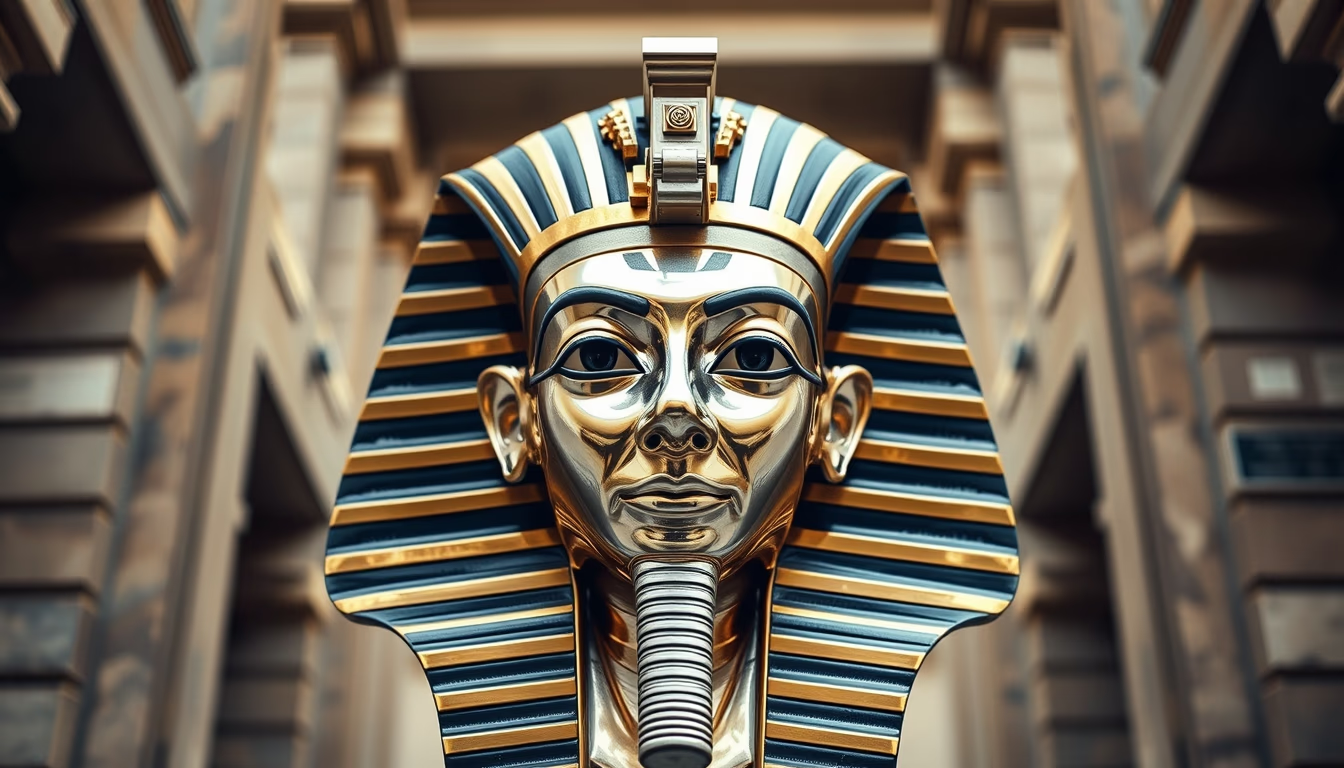
Egyptian hieroglyphs detail
1344×768 · AVIF · CC BY 4.0
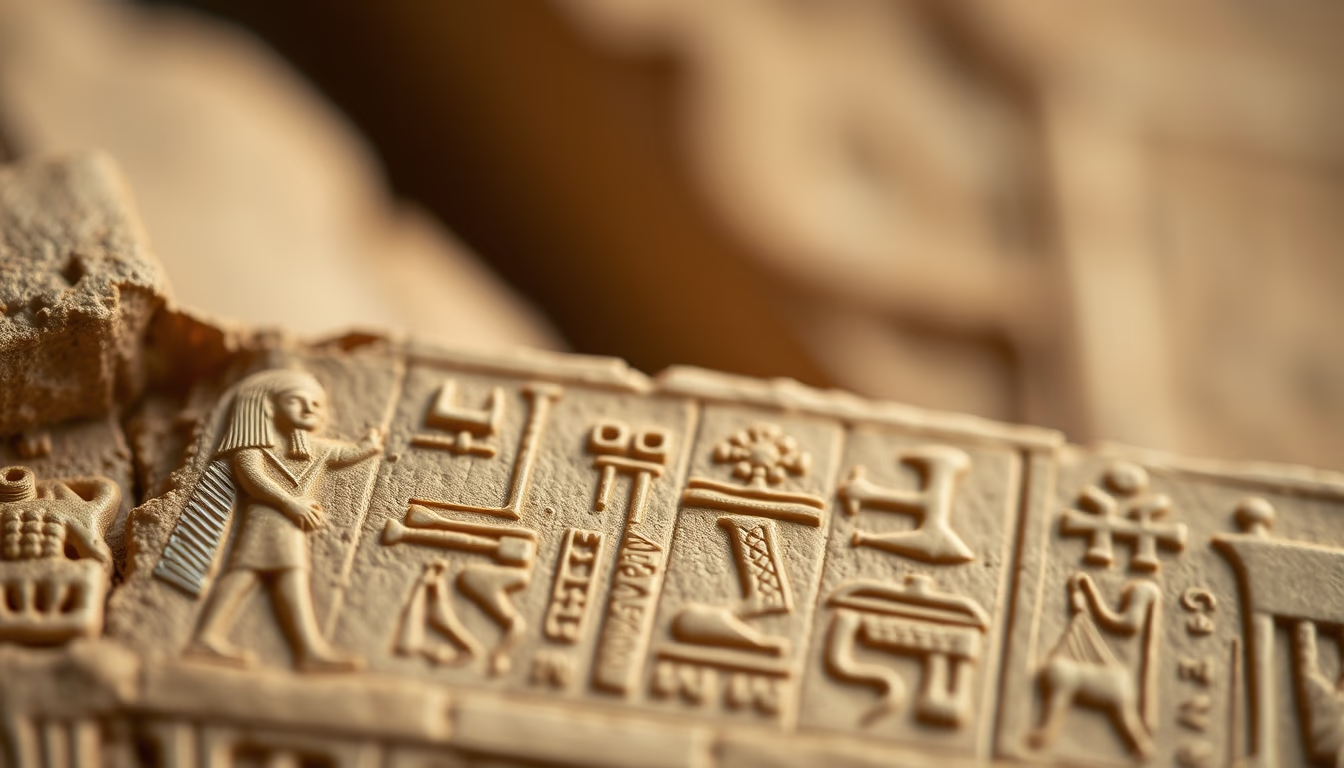
Egyptian hieroglyphs constitute one of the oldest and most iconic writing systems in human history, blending logographic and alphabetic elements.
About this subject
Egyptian hieroglyphs emerged around 3200 BCE, primarily used in religious and monumental contexts. They consist of over 700 signs, which can represent sounds, words, or ideas. The script could be read from right to left, left to right, or top to bottom, depending on the orientation of the signs. Modern decipherment was made possible by the Rosetta Stone, discovered in 1799, which contained the same text in hieroglyphs, demotic, and Greek. The work of Jean-François Champollion in 1822 laid the foundation for understanding this complex system. Hieroglyphs were often carved on temples and tombs, and also written on papyrus. They are not merely a means of communication but also carry deep symbolic and aesthetic meaning, reflecting the Egyptian worldview. Interestingly, there were different versions of Egyptian writing, such as hieratic and demotic, which were cursive forms used in daily life. Hieroglyphs continue to fascinate scholars and the public, remaining one of the most recognizable symbols of Ancient Egypt.
Frequently Asked Questions
How were Egyptian hieroglyphs deciphered?
Decipherment was made possible by the Rosetta Stone, which contained the same text in hieroglyphs, demotic, and Greek. Jean-François Champollion used the Greek text as a key to understand the hieroglyphs, especially the names of kings like Ptolemy and Cleopatra.
What is the difference between hieroglyphs and hieratic and demotic scripts?
Hieroglyphs are the pictorial, monumental form used on temples and tombs. Hieratic is a cursive, simplified version for writing on papyrus, while demotic is a further simplification used for everyday documents.
Are Egyptian hieroglyphs still used today?
No, hieroglyphs ceased to be used as a writing system around the 4th century AD with the closure of pagan temples. However, they are studied by Egyptologists and often used as decorative or symbolic elements in popular culture.
Direct URL
https://pub-c7d6a6ea828543ac903a74a341ccb2e1.r2.dev/imagens/egyptian-hieroglyphs-detail-tilt-shift-miniature-p10.avifHow to credit
Include a visible link back to UtilizAí. Copy one of the snippets below:
<a href="https://xn--utiliza-eza.com/en/midia/imagens/egyptian-hieroglyphs-detail-tilt-shift-miniature-p10">Egyptian hieroglyphs detail</a> by <a href="https://xn--utiliza-eza.com">UtilizAí</a>, licensed under <a href="https://creativecommons.org/licenses/by/4.0/">CC BY 4.0</a>.
[Egyptian hieroglyphs detail](https://xn--utiliza-eza.com/en/midia/imagens/egyptian-hieroglyphs-detail-tilt-shift-miniature-p10) by [UtilizAí](https://xn--utiliza-eza.com), CC BY 4.0
License: CC-BY-4.0