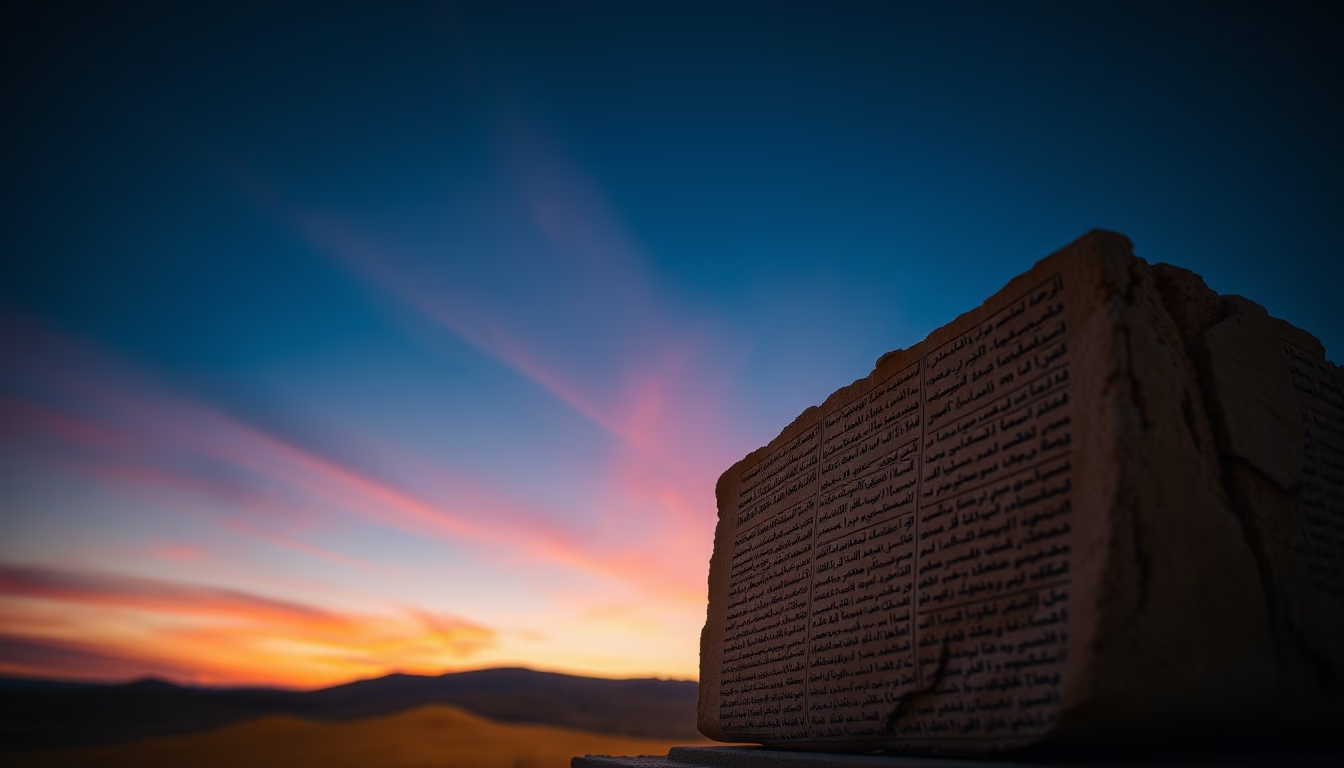
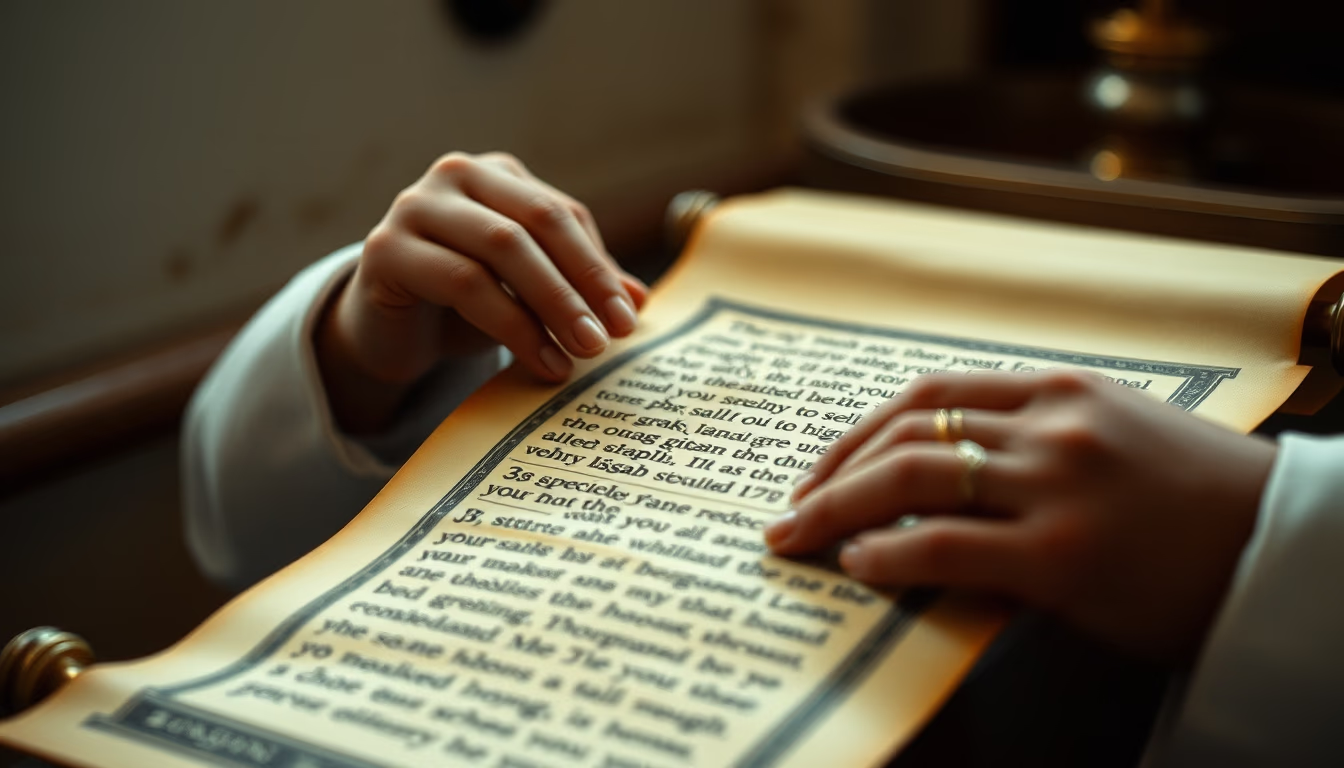
Dead sea scrolls fragment
1344×768 · AVIF · CC BY 4.0
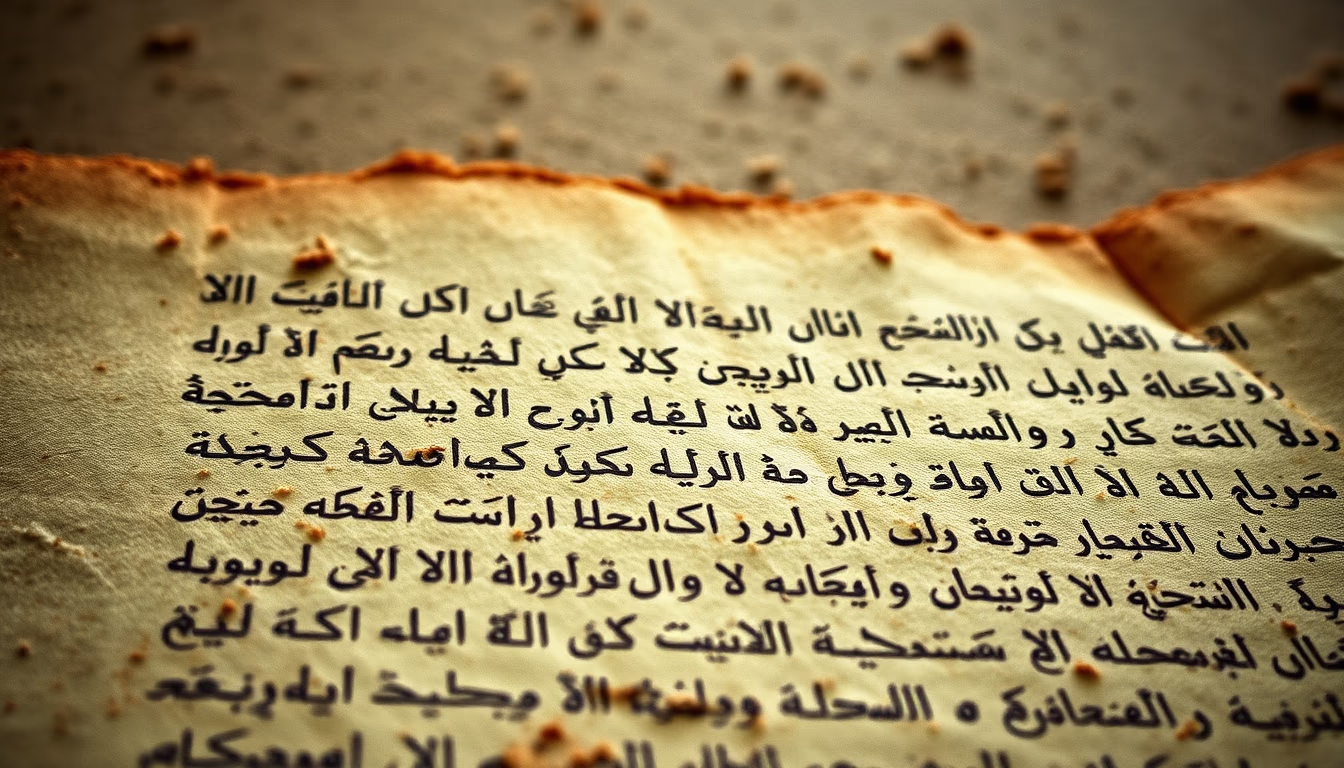
A Dead Sea Scrolls fragment, discovered in the Qumran caves, contains biblical and sectarian texts dating back approximately 2,000 years.
About this subject
The Dead Sea Scrolls are a collection of about 900 texts discovered between 1946 and 1956 in eleven caves near the archaeological site of Qumran in the West Bank. The fragments, written primarily in Hebrew, Aramaic, and Greek, include copies of Old Testament books such as Isaiah and Psalms, as well as sectarian documents from the Qumran community, likely the Essenes. These scrolls are considered one of the most important archaeological discoveries of the 20th century, as they provide earlier textual evidence than previously known medieval versions.
The depicted fragment likely belongs to one of the scrolls, such as the Great Isaiah Scroll or a biblical commentary (pesher). Each piece of leather or papyrus offers clues about religious practices, community life, and eschatological beliefs during the Second Temple period. The preservation of the manuscripts was possible due to the arid climate of the Dead Sea region, which inhibited the decay of organic materials.
After discovery, the fragments were distributed among Israeli and international institutions, sparking debates over ownership and access. Many have been published in facsimile editions and digitized for global study. This particular fragment, with its film grain texture, is likely a high-quality photographic reproduction, allowing detailed analysis of handwriting and material. The authenticity and provenance of individual fragments have unfortunately been questioned due to illegal trade and forgeries, but genuine items continue to be studied by paleographers and historians.
Frequently Asked Questions
What are the Dead Sea Scrolls?
They are ancient texts found in caves at Qumran, dated between 250 BCE and 70 CE, including biblical books and writings from the Essene community.
Why are the fragments so important?
Because they are millennia-old copies of biblical and apocryphal texts, earlier than the versions used in the current Hebrew Bible, aiding in understanding textual transmission.
How can you tell if a fragment is authentic?
Authenticity is verified through paleographic analysis, carbon-14 dating, material tests (leather, ink), and investigation of archaeological provenance.
Direct URL
https://pub-c7d6a6ea828543ac903a74a341ccb2e1.r2.dev/imagens/dead-sea-scrolls-fragment-film-grain-authentic-fresh15.avifHow to credit
Include a visible link back to UtilizAí. Copy one of the snippets below:
<a href="https://xn--utiliza-eza.com/en/midia/imagens/dead-sea-scrolls-fragment-film-grain-authentic-fresh15">Dead sea scrolls fragment</a> by <a href="https://xn--utiliza-eza.com">UtilizAí</a>, licensed under <a href="https://creativecommons.org/licenses/by/4.0/">CC BY 4.0</a>.
[Dead sea scrolls fragment](https://xn--utiliza-eza.com/en/midia/imagens/dead-sea-scrolls-fragment-film-grain-authentic-fresh15) by [UtilizAí](https://xn--utiliza-eza.com), CC BY 4.0
License: CC-BY-4.0