Crevasse glacier deep
1344×768 · AVIF · CC BY 4.0
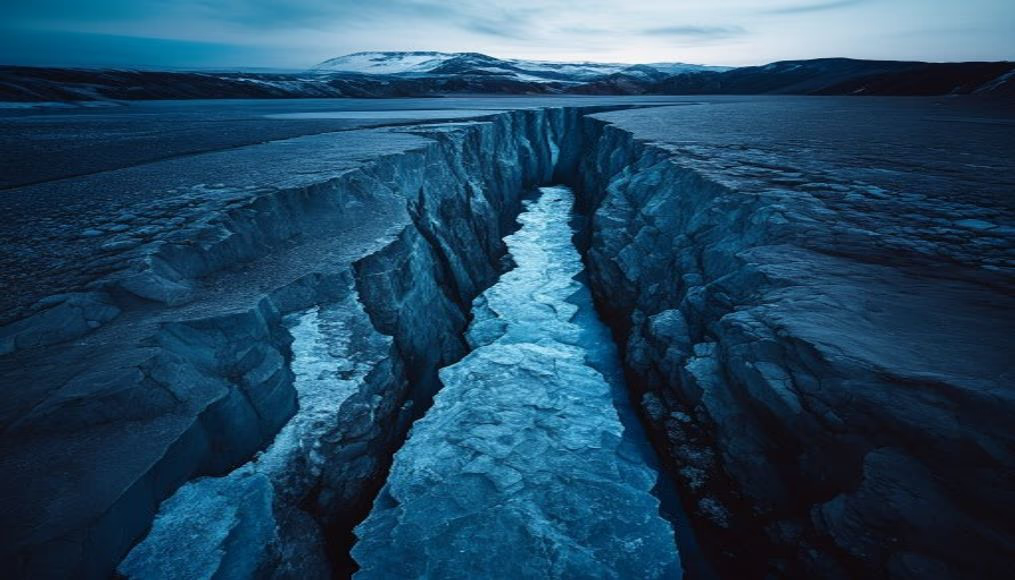
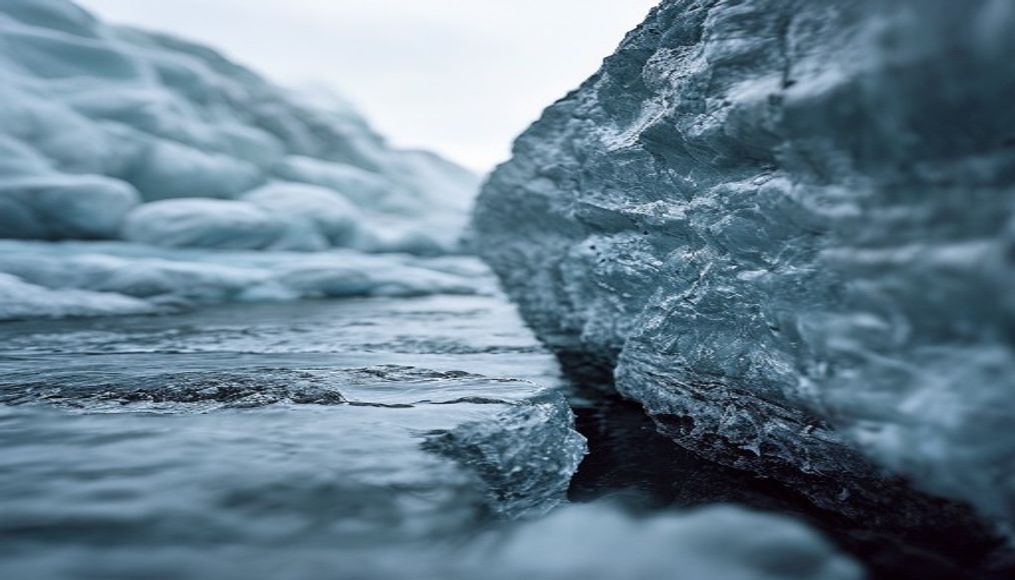
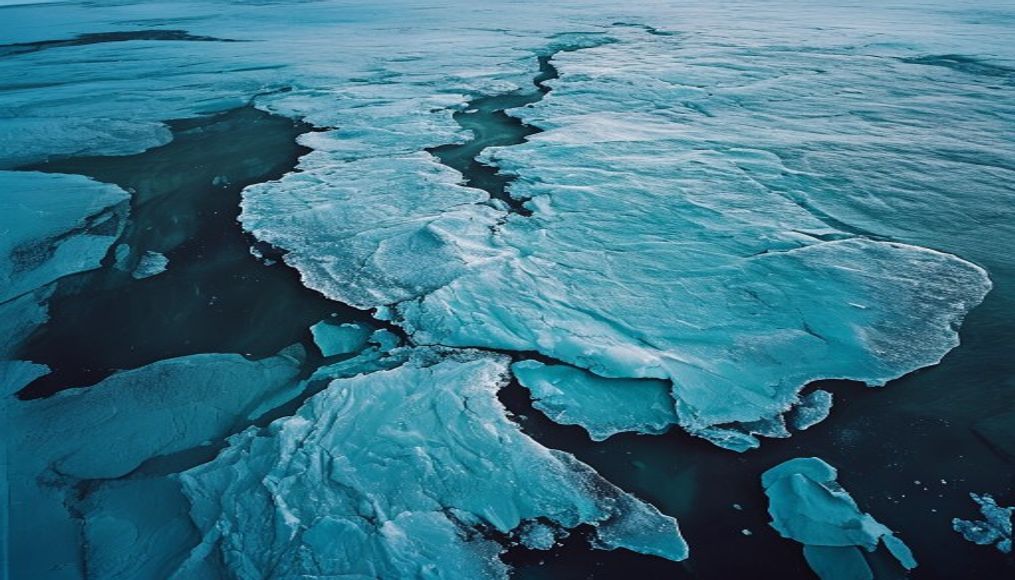
Deep glacier crevasses reveal the dynamic and fragile nature of glacial ice, formed by internal stresses and differential movement.
About this subject
Crevasses are deep cracks that form on glacier surfaces due to stresses caused by differential ice movement. They can reach tens of meters in depth and are often found where the glacier accelerates, such as at its margins or over uneven terrain. The word 'crevasse' comes from French, meaning 'fissure'. There are several types: longitudinal (parallel to flow), transverse (perpendicular), and marginal (on the sides). Deep crevasses, like the one shown, are typically transverse and result from ice stretching.
Crevasse formation is directly linked to temperature and ice velocity. In colder regions, ice is more brittle and cracks more easily. These fissures can expose internal ice layers, providing clues about deposition and melting history. Scientists use crevasse data to model glacial flow and predict future changes, especially under global warming scenarios.
Interestingly, crevasses are not permanent: they close as the glacier advances or when snow fills them. However, in fast-moving glaciers, such as those in Greenland and Antarctica, they can persist for years. The maximum depth is limited by ice pressure, which crushes them below about 30 to 50 meters. In some cases, they may reach the bedrock, draining meltwater to the glacier base and accelerating flow.
Aerial drone images, like the one described, are valuable tools for monitoring these hazardous features. Mountaineers and scientists must avoid areas with crevasses hidden by snow bridges. Studying these cracks helps understand glacier stability and risks associated with tourism and research in glacial regions.
Frequently Asked Questions
What causes crevasses to form on glaciers?
Crevasses form due to stresses from differential glacier movement, such as acceleration, deflection around obstacles, or variations in subglacial topography.
How deep can a crevasse be?
The typical maximum depth is 30 to 50 meters, as ice pressure deeper down prevents larger fissures from opening.
Are crevasses dangerous for climbers and researchers?
Yes, especially when hidden by snow bridges that may not support a person's weight. Safety equipment like ropes and crevasse detectors is essential.
Direct URL
https://pub-c7d6a6ea828543ac903a74a341ccb2e1.r2.dev/imagens/crevasse-glacier-deep-aerial-drone-shot-p3.avifHow to credit
Include a visible link back to UtilizAí. Copy one of the snippets below:
<a href="https://xn--utiliza-eza.com/en/midia/imagens/crevasse-glacier-deep-aerial-drone-shot-p3">Crevasse glacier deep</a> by <a href="https://xn--utiliza-eza.com">UtilizAí</a>, licensed under <a href="https://creativecommons.org/licenses/by/4.0/">CC BY 4.0</a>.
[Crevasse glacier deep](https://xn--utiliza-eza.com/en/midia/imagens/crevasse-glacier-deep-aerial-drone-shot-p3) by [UtilizAí](https://xn--utiliza-eza.com), CC BY 4.0
License: CC-BY-4.0