Concert stage empty with lights
1344×768 · AVIF · CC BY 4.0
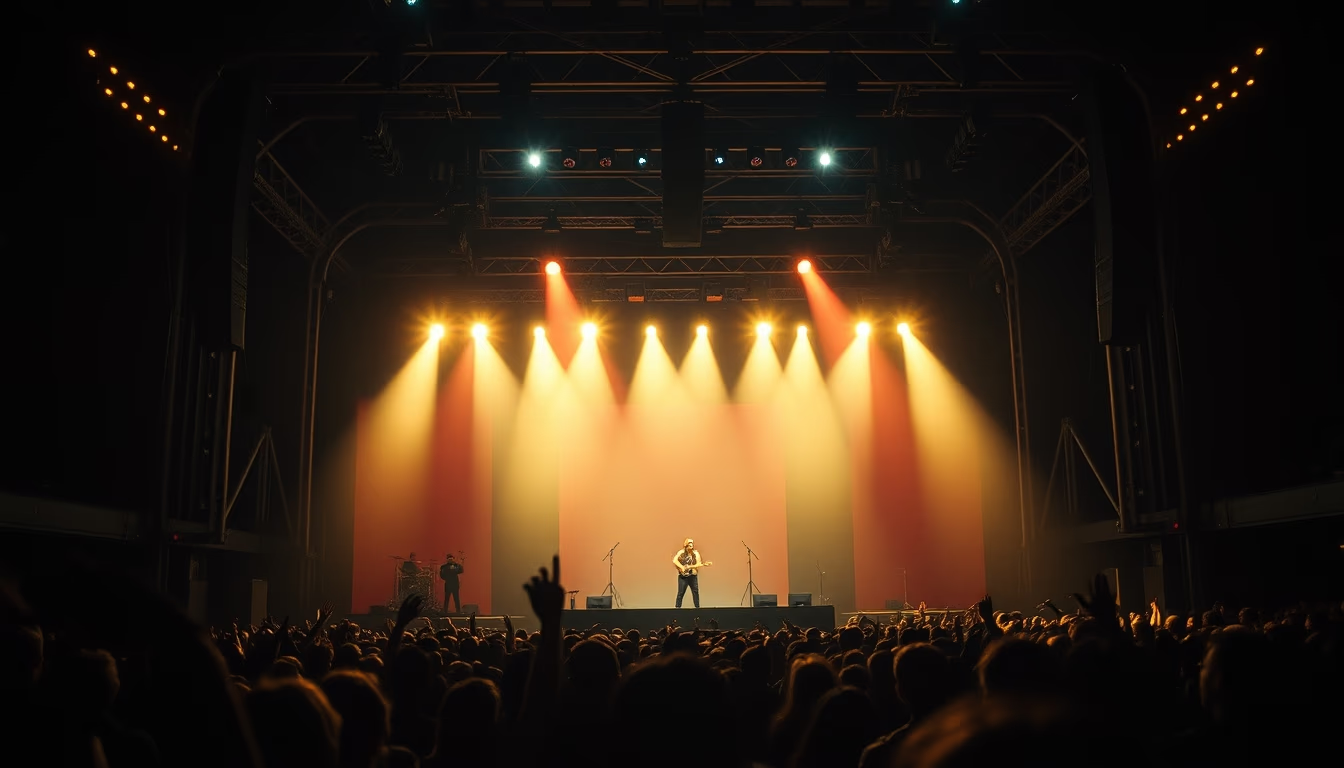
An empty concert stage lit by spotlights reveals the scenic architecture and technical preparation that precedes a major musical event.
About this subject
Concert stages are complex structures that combine engineering, design, and technology to create immersive experiences. In a stadium or venue, the empty stage before a performance reveals meticulous preparation: sound systems, lighting, and visual effects are calibrated to ensure every detail works in harmony. The lights, often controlled by DMX consoles, can create atmospheres ranging from intimacy to grand spectacle, as seen at festivals like Lollapalooza and Rock in Rio.
Stage lighting has evolved significantly since the first carbon arc lights of the 19th century. Today, LED fixtures with adjustable color, intensity, and movement are standard. The concept of stage lighting design involves not only artist visibility but also creating a visual narrative that accompanies the music. For example, Pink Floyd's "The Wall" tour used synchronized projections and lights to tell a story.
An empty stage also carries symbolism: it is a transition space between silence and sonic explosion. For technicians, it is the workplace; for the audience, the center of attention when the curtain rises. In many cases, like in proscenium theaters, the stage has a frame and backstage areas hiding scene-change mechanisms. In modern arenas, the stage can be central, with the audience surrounding it, requiring 360-degree lighting.
Fun facts: the largest stage ever built was for the Rolling Stones' "A Bigger Bang" tour, measuring 60 meters wide. The luminous power of a show can exceed 1 million lumens, equivalent to thousands of household bulbs. Additionally, light positioning follows the "45-degree angle rule" to avoid unwanted shadows on performers.
Frequently Asked Questions
Why are concert stages lit even when empty?
Continuous lighting is necessary for sound checks, equipment calibration, and safety of technicians working on stage before the event. Additionally, the lights help highlight the stage structure and create an inviting atmosphere for early-arriving audiences.
What is the difference between traditional and modern stage lighting?
Traditional lighting used fixed spotlights with incandescent or halogen lamps, limited in color and movement. Modern lighting uses LEDs and moving heads controlled by software, allowing rapid changes in color, intensity, and position, as well as synchronization with music.
How does stage lighting affect the audience's experience?
Lighting guides the audience's gaze, sets the mood of the performance (happy, dramatic, intimate), and can highlight specific elements. Good lighting enhances the emotional impact of the music, making the show more memorable.
Direct URL
https://pub-c7d6a6ea828543ac903a74a341ccb2e1.r2.dev/imagens/concert-stage-empty-with-lights-film-grain-authentic-p3.avifHow to credit
Include a visible link back to UtilizAí. Copy one of the snippets below:
<a href="https://xn--utiliza-eza.com/en/midia/imagens/concert-stage-empty-with-lights-film-grain-authentic-p3">Concert stage empty with lights</a> by <a href="https://xn--utiliza-eza.com">UtilizAí</a>, licensed under <a href="https://creativecommons.org/licenses/by/4.0/">CC BY 4.0</a>.
[Concert stage empty with lights](https://xn--utiliza-eza.com/en/midia/imagens/concert-stage-empty-with-lights-film-grain-authentic-p3) by [UtilizAí](https://xn--utiliza-eza.com), CC BY 4.0
License: CC-BY-4.0