Compost bin kitchen
1344×768 · AVIF · CC BY 4.0
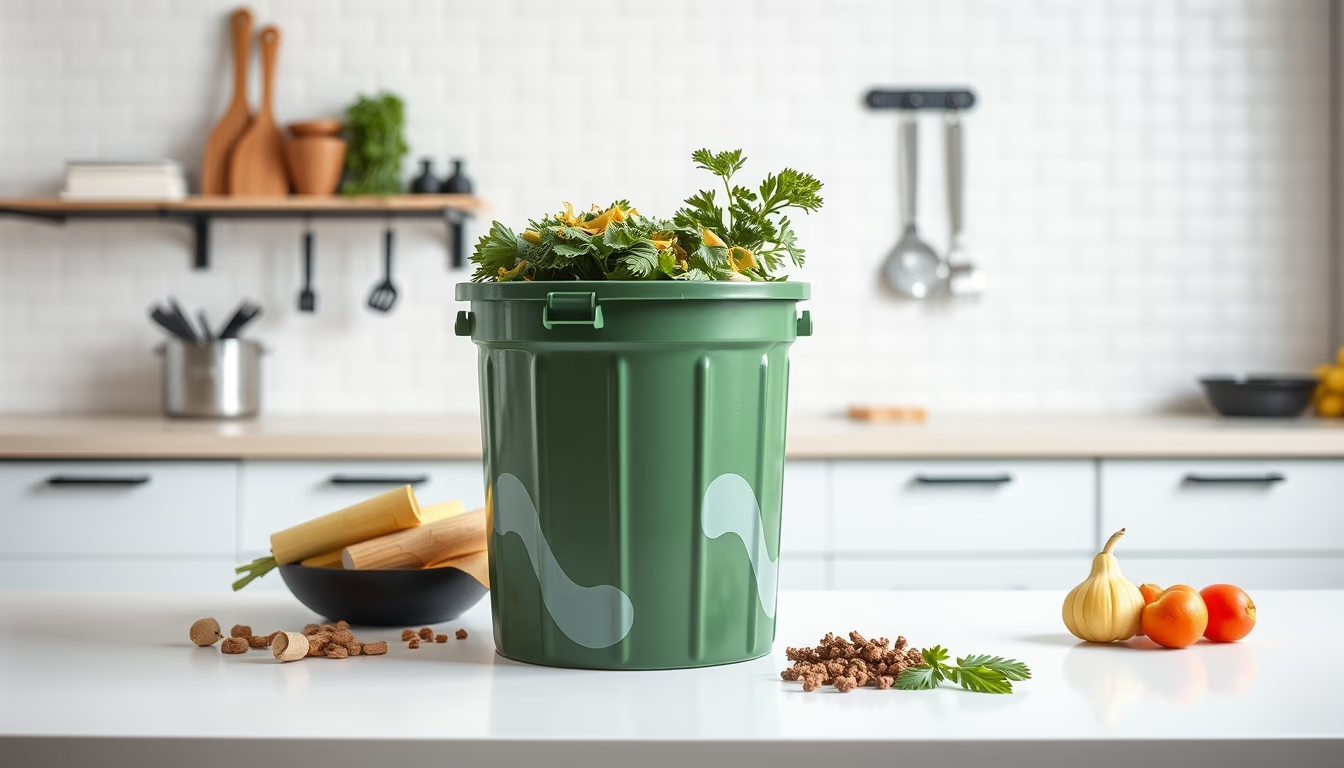
Kitchen compost bins turn organic waste into nutrient-rich fertilizer, reducing household trash and promoting daily sustainability.
About this subject
A kitchen compost bin is a container designed to store food scraps before the final composting process. It can be a simple bucket with a lid, a model with a charcoal filter to prevent odors, or even ceramic and stainless steel versions. The main goal is to separate organic waste at the point of generation, making it easier to transport to an outdoor composter or a vermicomposting system. About 30% of household waste in many countries is organic, and home composting can divert this material from landfills, reducing methane emissions.
The environmental benefits are substantial. By composting fruit and vegetable scraps, eggshells, and coffee grounds, you produce a nutrient-rich natural fertilizer for plants and gardens. This process reduces the need for chemical fertilizers and closes the nutrient loop at home. To avoid unpleasant smells, it is recommended to layer dry material like leaves or shredded paper and empty the bin every two to three days. Meat, dairy, and fatty foods should be avoided in basic home systems as they attract pests and slow decomposition.
Urban composting has gained popularity, especially in apartments. Electric composters, which accelerate decomposition through heat and mixing, are an option for those with limited space. Vermicomposting with red wiggler worms offers a faster, odor-free process. Globally, cities like San Francisco and Seoul have mandatory organic waste recycling, but home composting is still growing. Community initiatives and composting workshops promote environmental education and waste reduction.
Having a compost bin in the kitchen is a practical step to reduce waste and build a sustainable habit. Unlike a regular trash can, it prevents organic waste from mixing with recyclables and landfill trash. By turning waste into a resource, the compost bin connects the household to natural cycles, encouraging more conscious eating and home food cultivation.
Frequently Asked Questions
What can be put in a kitchen compost bin?
Fruit and vegetable scraps, eggshells, coffee grounds, tea bags, and dry leaves. Avoid meat, dairy, oily foods, and excessive citrus, as they can attract pests or slow decomposition.
How to prevent bad odors in a kitchen compost bin?
Layer dry material (leaves, shredded paper) between wet waste. Empty the bin every 2-3 days and clean it regularly. Models with activated charcoal filters also help neutralize smells.
Does a kitchen compost bin need worms?
Not necessarily. Worms are used in vermicomposting to speed up the process, but a regular compost bin can function with aerobic microorganisms alone, as long as aeration and moisture are adequate.
Direct URL
https://pub-c7d6a6ea828543ac903a74a341ccb2e1.r2.dev/imagens/compost-bin-kitchen-commercial-product-photography-p2.avifHow to credit
Include a visible link back to UtilizAí. Copy one of the snippets below:
<a href="https://xn--utiliza-eza.com/en/midia/imagens/compost-bin-kitchen-commercial-product-photography-p2">Compost bin kitchen</a> by <a href="https://xn--utiliza-eza.com">UtilizAí</a>, licensed under <a href="https://creativecommons.org/licenses/by/4.0/">CC BY 4.0</a>.
[Compost bin kitchen](https://xn--utiliza-eza.com/en/midia/imagens/compost-bin-kitchen-commercial-product-photography-p2) by [UtilizAí](https://xn--utiliza-eza.com), CC BY 4.0
License: CC-BY-4.0